Sheet vinyl is one of the most affordable and practical flooring materials on the market. Sold in wide rolls that cover entire rooms with few or no seams, it provides a waterproof surface that is soft underfoot and easy to maintain. Despite the rise of luxury vinyl plank, sheet vinyl remains the go-to choice for bathrooms, laundry rooms, rentals, and budget-conscious remodels.
This guide covers everything from construction and styles to installation methods and long-term care so you can decide whether sheet vinyl is the right fit for your project.
What Is Sheet Vinyl Flooring?
Sheet vinyl is a flexible, resilient flooring product manufactured in continuous rolls, typically six or twelve feet wide. It consists of several layers: a backing layer for cushioning and stability, a printed design layer, and a clear wear layer on top for scratch and stain resistance.
Unlike luxury vinyl plank, which comes as individual interlocking pieces, sheet vinyl is cut from a roll and laid in one or two large pieces. This makes it inherently more waterproof because there are far fewer seams where moisture could penetrate.
Types of Sheet Vinyl
Felt-Back Sheet Vinyl
Felt-back sheet vinyl has a fibrous backing that provides cushioning and insulation. It is the more traditional type and tends to be slightly softer underfoot. The felt backing does absorb moisture if water gets underneath, so proper installation and seam sealing are important in wet areas.
Fiberglass-Back Sheet Vinyl
Fiberglass-back products use a woven fiberglass layer for dimensional stability. This construction resists stretching and shrinking better than felt-back vinyl, and it lies flatter without full adhesion. Many fiberglass-back products can be installed with perimeter adhesive only, which simplifies both installation and future removal.
Cushioned Sheet Vinyl
Some sheet vinyl includes an extra foam cushion layer for enhanced comfort and sound absorption. This is especially popular in kitchens and playrooms where people stand for extended periods. The added cushion also makes the floor warmer underfoot compared to hard-surface options like tile flooring.
Design Options
Modern sheet vinyl is available in an impressive range of designs. High-definition printing has closed the gap between sheet vinyl and more expensive materials in terms of visual realism.
Wood Looks
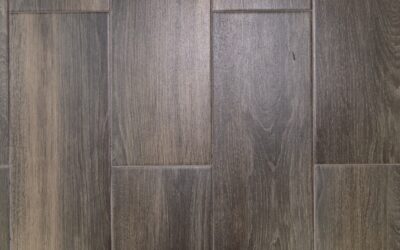
Wood grain patterns in oak, walnut, hickory, and reclaimed styles are the most popular design category. While sheet vinyl cannot match the textured realism of embossed-in-register LVP, the visual appearance from standing height is very convincing.
Stone and Tile Looks
Marble, slate, travertine, and ceramic tile patterns offer the look of natural stone without the cold, hard surface. Printed grout lines add realism, and some premium products include textured surfaces that mimic the feel of real stone.
Geometric and Decorative Patterns
Sheet vinyl also comes in checkerboard, hexagonal, Moroccan, and other decorative patterns that would be labor-intensive and expensive to achieve with actual tile. These designs are popular in retro-styled kitchens and commercial spaces.
Pros of Sheet Vinyl
Waterproof. With minimal seams and a continuous surface, sheet vinyl is one of the most water-resistant flooring options available. It is ideal for bathrooms, kitchens, and basements.
Affordable. Sheet vinyl is typically the least expensive resilient flooring option, making it accessible for tight budgets and large areas.
Comfortable. The flexible construction and optional cushion backing make sheet vinyl softer and warmer underfoot than tile, concrete, or even rigid core vinyl plank.
Easy to clean. A smooth, non-porous surface means no grout lines to scrub and no gaps for dirt to collect. Regular sweeping and damp mopping are all it takes.
Quick installation. A skilled installer can cover an average room in a few hours. Loose-lay and perimeter-glue methods are even faster than full-spread adhesive.
Cons of Sheet Vinyl
Vulnerable to punctures and tears. Dragging heavy furniture or dropping sharp objects can cut or gouge the surface. Repairs are possible but usually visible.
Difficult to repair. Unlike plank flooring where a single damaged piece can be replaced, patching sheet vinyl requires cutting and splicing, which is hard to hide.
Less realistic texture. Sheet vinyl lacks the embossed texture of LVP and SPC products. Up close, the surface feels flat compared to materials that simulate wood grain or stone texture.
Can curl or bubble. Improper installation, moisture underneath, or exposure to extreme heat can cause edges to curl or the surface to bubble.
Limited resale appeal. In real estate, sheet vinyl is generally viewed as a budget material. It does not add the same perceived value as hardwood, tile, or even LVP.
Sheet Vinyl Costs in 2026
Material costs range from fifty cents to four dollars per square foot, depending on thickness, wear layer, and design quality.
Budget sheet vinyl with basic patterns and thin wear layers runs fifty cents to one dollar and fifty cents per square foot. Mid-range products with realistic wood or stone designs and enhanced cushioning cost one dollar and fifty cents to three dollars. Premium fiberglass-back options with thick wear layers top out around four dollars.
Professional installation adds one to two dollars per square foot. The total installed cost for a mid-range product typically falls between three and five dollars per square foot, which makes it one of the most affordable flooring options across all categories.
Installation Methods
Full-Spread Adhesive
The most permanent and secure method involves spreading adhesive across the entire subfloor, then rolling the sheet vinyl into place. This approach prevents shifting, bubbling, and edge curling. It is the recommended method for high-traffic areas and rooms where heavy appliances sit on the floor.
Perimeter Adhesive
Adhesive is applied only around the edges of the room and at seams. The center of the sheet lies loose against the subfloor. This method works well for fiberglass-back products in moderate-traffic rooms and makes future removal much easier.
Loose Lay
Some sheet vinyl products are heavy enough to stay in place without any adhesive. Double-sided tape at doorways and seams provides minimal securing. This is the fastest installation method and is popular in rental properties and temporary applications.
DIY Considerations
The trickiest part of installing sheet vinyl is making accurate cuts around toilets, vanities, and door frames. The material is unwieldy in large pieces, and mistakes are hard to fix. Many homeowners handle simple rectangular rooms themselves but hire a professional for bathrooms with complex layouts.
Where Sheet Vinyl Works Best
Bathrooms
The seamless waterproof surface makes sheet vinyl a natural fit for bathrooms. It handles splashes, humidity, and the occasional overflow far better than laminate flooring or hardwood.
Kitchens
Sheet vinyl stands up to spills, dropped dishes, and constant foot traffic. The cushioned versions reduce fatigue during long cooking sessions.
Laundry Rooms
Washing machine leaks and drips are inevitable. Sheet vinyl contains the moisture on the surface and prevents it from reaching the subfloor.
Basements
In basements prone to dampness, sheet vinyl installed over a moisture barrier provides a finished look without the risk of warping or mold growth. It pairs well with concrete subfloors that may have minor moisture issues.
Rental Properties
Landlords favor sheet vinyl for its low cost, durability, and easy replacement between tenants. Loose-lay installation allows quick changeovers.
Sheet Vinyl vs. Luxury Vinyl Plank
The two products share the vinyl family name but differ significantly in construction and performance. LVP offers more realistic texture, easier DIY installation, and simpler repairs since individual planks can be swapped. Sheet vinyl counters with lower cost, better waterproofing at seams, and superior comfort underfoot.
In wet areas where waterproofing is the top priority, sheet vinyl has a slight edge. In living areas where appearance and resale value matter more, LVP is the stronger choice. Many homeowners use both, putting sheet vinyl in the bathroom and LVP in the main living spaces.
Maintenance Tips
Sheet vinyl is one of the lowest-maintenance flooring options available. Sweep or vacuum with a hard-floor setting regularly to prevent grit from scratching the surface. Damp mop with a vinyl-safe cleaner as needed.
Avoid abrasive scrubbers, steel wool, and harsh chemicals. Do not use steam mops, as the heat can soften the adhesive and cause bubbling. Place felt pads under furniture legs and use plywood or hardboard sheets under heavy appliances to distribute weight and prevent indentation.
With proper care, quality sheet vinyl lasts ten to twenty years before the design layer shows significant wear.
Final Thoughts
Sheet vinyl may not generate the same excitement as trending materials like SPC plank or wide-format porcelain tile, but it remains one of the smartest choices for wet areas, tight budgets, and practical renovations. Its seamless waterproof surface, low cost, and easy maintenance make it a reliable workhorse that gets the job done without drama.
Choose a fiberglass-back product with a wear layer of at least ten mils for the best balance of durability and value, and consider professional installation for rooms with complex layouts. The result will be a clean, attractive floor that handles daily life with ease.
Prefer to explore on your own?
See how new flooring looks in your actual room in seconds — free, no signup.
Try the free Floor Studio →