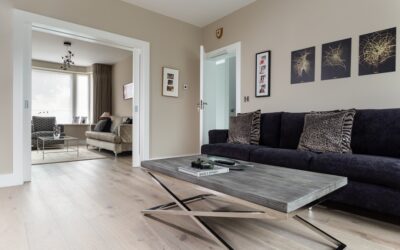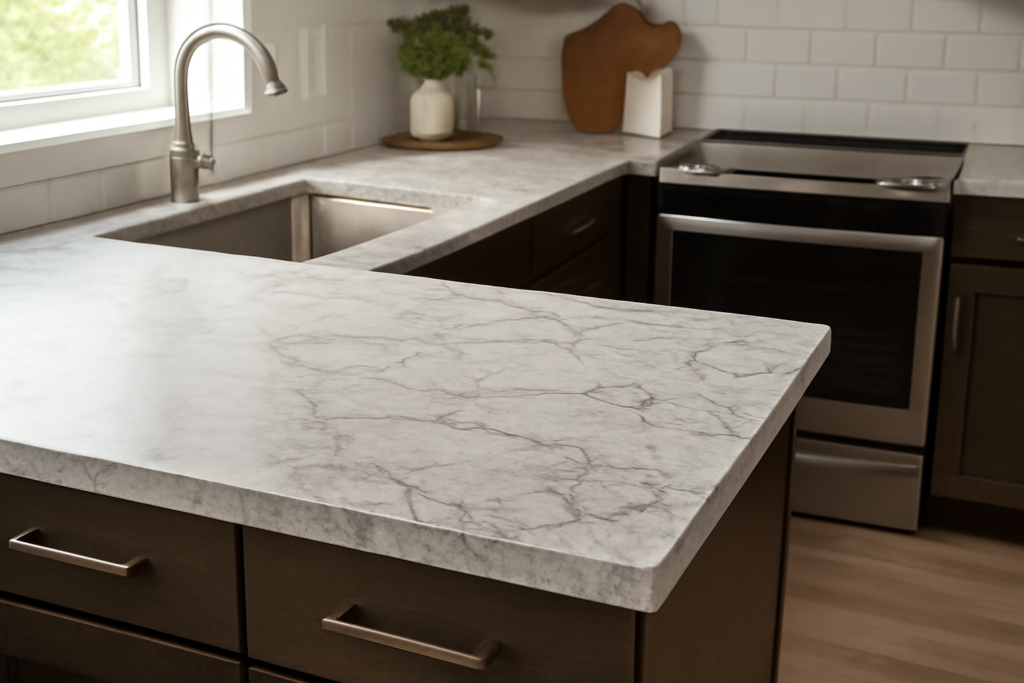
Real marble is gorgeous, expensive, and high-maintenance, which is exactly why marble-look laminate has become so popular. Aluma marble laminate is a marble-style laminate product designed to capture the veined, polished appearance of natural stone while delivering the easier installation, lower cost, and tougher wear surface that laminate is known for. If you love the bright, luxurious feel of marble but not the price tag or the upkeep, this category is worth a serious look.
Part of our Countertops guide — explore the full guide →
Here is what the product type actually offers, how it goes down, and how to keep it looking sharp for years.
What Is Marble-Look Laminate?
Laminate flooring is built in layers: a dense fiberboard core, a high-resolution printed image layer, and a clear protective wear layer on top. With a marble design, that printed layer reproduces the swirling veins, soft grays, and creamy whites of polished stone. A textured surface can add subtle depth so the floor reads as more than just a flat photo. The result is a plank or tile-shaped board that looks like marble underfoot but installs like ordinary laminate.
Because it is a manufactured product, the exact specifications, finishes, and plank sizes depend on the specific line you buy. Always check the manufacturer’s stated wear rating, thickness, and warranty rather than assuming, since these numbers drive both performance and price.
Why Choose Marble Laminate Over Real Stone
Several practical advantages push homeowners toward laminate instead of slab marble:
- Cost: Marble-look laminate typically falls in the same range as other quality laminates, often a fraction of natural marble’s installed price.
- No sealing: Natural marble is porous and needs periodic sealing to resist stains and etching. Laminate’s wear layer is sealed by design.
- Stain and acid resistance: Real marble etches when it meets lemon juice, wine, or vinegar. The laminate surface shrugs those off.
- Warmer and quieter: Stone feels cold and hard. Laminate over a foam underlayment is more forgiving underfoot.
- DIY-friendly: Click-lock laminate is one of the most approachable flooring projects for a confident homeowner.
Where It Works Best
Marble laminate brings a bright, upscale feel to living rooms, bedrooms, hallways, and dining areas. It pairs beautifully with both modern and classic decor. Bathrooms and kitchens are trickier: standard laminate is moisture-sensitive at its core and seams, so unless the specific product is rated as water-resistant or waterproof, keep it out of rooms that see standing water or frequent spills. When in doubt, follow the manufacturer’s room recommendations to protect your warranty.
Installation Basics
Most laminate uses a floating click-lock system, meaning the planks snap together and rest on the subfloor rather than being glued or nailed down. The general process looks like this:
- Acclimate the boxes in the room for the manufacturer’s recommended period, usually 48 hours, so the planks adjust to the home’s temperature and humidity.
- Prep the subfloor so it is clean, dry, and flat within tolerance, typically around 3/16 inch over 10 feet.
- Roll out the underlayment if it is not pre-attached, which adds cushioning and sound dampening.
- Lay the first row along your straightest wall, leaving a 1/4 to 3/8 inch expansion gap around the entire perimeter.
- Stagger the end joints from row to row by at least 6 to 12 inches for strength and a natural look.
- Click each plank into the previous one, tapping gently with a tapping block to close seams without damaging edges.
- Install baseboard or quarter round to cover the expansion gap, fastening it to the wall, never to the floor.
That expansion gap matters more than beginners expect. Laminate grows and shrinks with humidity, and a floor butted tight to the walls will buckle when it expands. Give it room to move.
Durability and What to Expect
Quality laminate carries an abrasion class rating, often expressed as AC3 for residential use up to AC5 for heavy commercial traffic. A higher rating resists scratches and scuffs better. The marble print sits beneath that wear layer, so the pattern does not rub off with normal foot traffic. That said, laminate is not indestructible: dragging heavy furniture can gouge it, and standing water that seeps into a seam can swell the core. Felt pads under furniture legs and prompt cleanup of spills go a long way.
How It Compares to Other Marble-Look Floors
Marble laminate is not your only option for the stone look, and knowing the alternatives helps you choose with confidence. Compared with marble-look luxury vinyl, laminate generally feels firmer and more like real stone underfoot, while vinyl wins on water resistance and is the better pick for full bathrooms. Compared with marble-look porcelain tile, laminate is dramatically easier and cheaper to install since it floats and clicks together rather than requiring thinset, grout, and a wet saw, though porcelain is the more waterproof and longest-lasting of the three.
Against genuine marble, there is no real contest on price or upkeep, with laminate costing a fraction as much and skipping the sealing entirely. The trade-off is authenticity: up close, real stone has a depth and coolness that a printed surface approximates but never fully duplicates. For most homeowners furnishing living areas and bedrooms on a budget, laminate hits the sweet spot of looks, cost, and ease.
Cleaning and Care
One of the joys of this floor is how little it asks of you. Sweep or vacuum with a hard-floor setting to keep grit from scratching the surface. Damp-mop with a well-wrung microfiber mop and a cleaner formulated for laminate. Avoid these common mistakes:
- Never wet-mop or let water pool, since moisture is laminate’s main enemy.
- Skip steam mops unless the manufacturer specifically approves them.
- Stay away from wax, oil soaps, and abrasive scrubbers that dull or cloud the finish.
- Place doormats at entries to trap grit before it reaches the floor.
Is It Right for Your Home?
If you want the high-end look of polished stone with realistic veining, easy upkeep, and a budget-friendly price, aluma marble laminate and similar marble-look laminates are a smart choice. They shine in dry, high-visibility spaces where you want drama without the maintenance burden of natural marble. Just verify the specific product’s water rating before installing in a kitchen or bath, confirm the warranty terms, and order about 10 percent extra to cover cuts and future repairs. Treat it well, and a marble-look laminate floor delivers that luxurious aesthetic for many years at a fraction of stone’s cost.
Prefer to explore on your own?
See how new flooring looks in your actual room in seconds — free, no signup.
Try the free Floor Studio →