If you have browsed the aisles at Floor and Decor, you have almost certainly walked past this line. Satori tile is one of Floor and Decor’s house brands, offering a wide range of porcelain and ceramic tile that mimics marble, stone, concrete, and wood at price points that undercut the natural materials they imitate. For homeowners who want a high-end look on a realistic budget, it is worth understanding what the brand covers and how to choose and install it well.
Part of our Tile & Grout guide — explore the full guide →
This guide explains what Satori tile is, the looks it offers, where each type works best, and the installation and care basics that keep it looking sharp.
What Satori Tile Is
Satori is a brand of porcelain and ceramic tile sold through Floor and Decor. Rather than one product, it spans many collections designed to replicate popular natural materials. Modern printing and finishing technology let the tiles convincingly reproduce the veining of marble, the texture of slate, the grain of wood planks, and the muted tones of polished concrete. Because the tiles are manufactured, they offer more consistency and far easier maintenance than the natural stone they often imitate.
Porcelain Versus Ceramic
Within the brand you will find both porcelain and ceramic options, and the difference matters for where you install them.
- Porcelain: Denser, less porous, and more durable, with very low water absorption. It suits floors, wet areas, and even outdoor use depending on the specific product rating.
- Ceramic: Slightly softer and more porous, generally best for walls and lighter-traffic areas like backsplashes.
Check the technical specs on the specific tile, including the PEI wear rating for floors and the water absorption rating for wet areas, rather than assuming all tiles in the brand share the same suitability.
Popular Looks
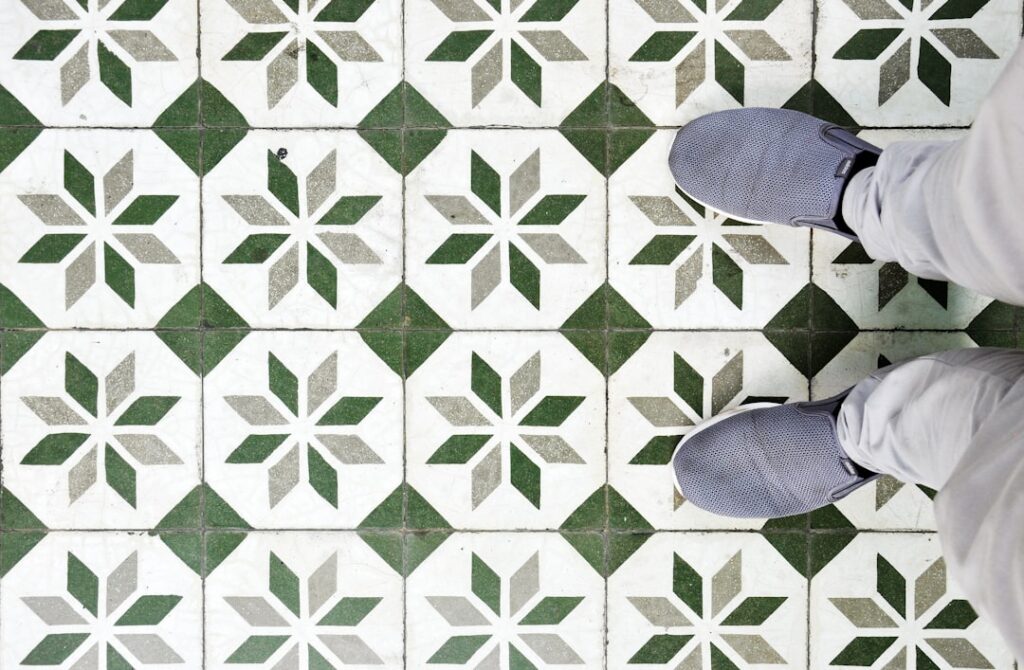
The appeal of the brand is the breadth of styles. Common collections include marble-look tiles with realistic veining for a luxe bathroom or kitchen, wood-look planks that bring the warmth of hardwood to wet areas where real wood would fail, stone and slate looks with natural texture, and concrete or cement looks for a modern industrial aesthetic. Encaustic-style patterned tiles are also available for accent floors and backsplashes. This variety means you can often find a coordinated look for an entire project from a single brand.
Where to Use Each Type
Match the tile to the room and the demands placed on it.
- Bathrooms and showers: Porcelain marble-look and stone-look tiles resist moisture and clean easily.
- Kitchens: Durable porcelain floors and ceramic backsplashes pair well; wood-look planks add warmth without water worries.
- Living areas and entryways: Wood-look and stone-look porcelain handle traffic better than the natural materials.
- Outdoor patios: Only use tiles specifically rated for exterior and freeze conditions.
Installation Tips
Tile is only as good as its installation, and a few practices apply across the board.
- Start with a flat, sound substrate; large-format and wood-look planks especially show problems on uneven floors.
- Use an uncoupling or crack-isolation membrane on floors to prevent cracked grout from substrate movement.
- Waterproof wet areas like showers properly before tiling.
- Use the correct thinset and trowel size for the tile, and back-butter large tiles for full coverage.
- For wood-look planks, avoid lining up the ends in a stair-step pattern; a brick or random offset looks more natural and reduces lippage.
If you are not confident in your prep and layout, large-format and stone-look tiles are a job many homeowners hand to a professional.
Care and Maintenance
One of the biggest advantages over natural stone is the easy upkeep. Porcelain and ceramic do not need sealing the way marble and slate do, though the grout often benefits from sealing. Sweep or vacuum regularly to keep grit from dulling the surface, and mop with a pH-neutral tile cleaner. Avoid acidic cleaners on any tile with a polished finish. Clean grout lines periodically and reseal cement-based grout to keep them from staining and discoloring.
Buying Tips and Estimating Quantity
Because the brand is sold through a big-box flooring retailer, buying it comes with a few practical considerations. Inventory and specific collections can vary by store and over time, so confirm the exact tile, dye lot, and quantity you need are in stock before you start, and buy it all at once. Tile from different production runs can vary slightly in shade, so checking the lot number on the boxes helps avoid a visible color shift mid-floor. Always order extra, typically about 10 percent over your measured square footage, to cover cuts, waste, and future repairs; large-format and patterned tiles may need a bit more for cuts. Keep a few spare tiles after the job in case one ever cracks, since matching it years later may be impossible. Inspect boxes for damage before leaving the store, and check that the PEI and water-absorption ratings on the box match what your project requires.
Is It Worth It?
For homeowners who want the look of marble, slate, or hardwood without the cost, fragility, or maintenance of the real thing, Satori tile is a practical choice that delivers a convincing appearance at an accessible price. As with any tile, the finished result depends heavily on careful substrate prep and skilled installation, so put as much thought into how it goes down as into which look you pick. Confirm the specific tile’s ratings for your room, plan the layout, and you can achieve a high-end look that holds up to daily life.
Getting a Convincing Natural Look
The secret to making manufactured tile pass for natural material is in the details of how you lay it out and grout it. Because printed tiles repeat their patterns across a batch, mixing tiles from several boxes as you set them prevents two identical faces from landing side by side, which is a telltale sign of manufactured tile. For marble-look tile, a tight grout joint in a color close to the tile background keeps the seams subtle and lets the veining read as continuous stone. For wood-look planks, a thin grout line in a matching tone and a random or one-third offset layout mimics real flooring far better than a stacked or stair-step pattern. Stone-look and slate-look tiles benefit from a slightly varied layout that embraces their natural-looking texture. Choosing a grout color thoughtfully matters as much as the tile itself, since a contrasting grout draws attention to the grid and breaks the illusion. Take time to dry-lay and shuffle the tiles before setting, and the finished surface will read far closer to the natural material it imitates.
Prefer to explore on your own?
See how new flooring looks in your actual room in seconds — free, no signup.
Try the free Floor Studio →