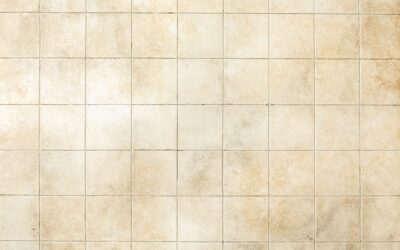
Warm neutrals have quietly taken over from cool grays in tile, and that shift is exactly why forum ivory porcelain tile has become such a versatile go-to for floors and walls. With its soft, off-white concrete-look surface and subtle tonal movement, forum ivory porcelain tile bridges modern and transitional styles without committing a room to a single trend. If you are considering it for a kitchen, bath, or open living area, here is what to know about the specs, installation, and long-term care.
Part of our Tile & Grout guide — explore the full guide →
What Forum Ivory Porcelain Tile Looks Like
Forum Ivory belongs to the family of concrete- and cement-look porcelains that mimic the flat, matte character of poured concrete without the cracking, sealing headaches, or cold underfoot feel. The “ivory” colorway is a creamy off-white with faint gray and beige undertones and low-contrast veining or clouding, so it reads calm and uniform across a large floor rather than busy.
Because the color is neutral and warm, it pairs easily with white or wood cabinetry, black fixtures, and both brass and brushed-nickel hardware. On a floor it brightens a space and hides less dust than a dark tile; on a wall or shower surround it gives a serene, spa-like backdrop. The muted movement also disguises minor smudges and water spots better than a solid flat color.
Typical Sizes and Finishes
Concrete-look porcelain lines like this usually come in a range of rectified sizes so you can scale the tile to the room. Common formats you will encounter:
- 12 x 24 inch: the most popular floor size, easy to lay and to keep level
- 24 x 24 inch: a clean, modern large-format look with fewer grout lines
- 24 x 48 inch: dramatic large-format panels for open floors
- Mosaic sheets: for shower floors and accent bands
Finishes are typically matte or a low-sheen natural surface. For floors, especially wet areas, check the tile’s slip rating; many concrete-look porcelains carry a DCOF (dynamic coefficient of friction) of 0.42 or higher, the threshold generally recommended for level interior floors that may get wet. A matte finish also camouflages footprints and hard-water marks.
Why Choose Porcelain Over the Real Thing
Porcelain earns its place because it delivers the concrete aesthetic while solving concrete’s problems. It is fired at high temperature to a dense, low-porosity body, typically under 0.5 percent water absorption, which makes it frost-resistant, extremely hard, and effectively waterproof. Real concrete floors crack, stain, and need periodic sealing; porcelain does not.
It also outperforms ceramic and natural stone for durability. The color runs through a printed and glazed surface designed to resist wear, so a quality concrete-look porcelain handles heavy foot traffic, pets, and dropped pans far better than a softer material. And unlike stone, every box is consistent, so you know what your finished floor will look like before you open it.
Modern printing technology, often called inkjet or digital glazing, is what makes today’s concrete-look porcelain convincing. Rather than repeating the same two or three faces, quality lines print a dozen or more slightly different surface variations, so a large floor shows natural-looking tonal movement without an obvious pattern repeat. When you dry-lay a few boxes before setting, mix pieces from several cartons so the subtle variation distributes evenly and no two identical faces end up side by side.
Where to Use It
The neutral tone and porcelain toughness make Forum Ivory suitable almost anywhere indoors, and outdoors if the specific tile is rated for it. Practical applications include:
- Kitchen floors: spills wipe up and the matte surface hides crumbs between mopping
- Bathroom floors and shower walls: waterproof and bright, ideal for a clean spa look
- Open-concept living and dining: large formats create a seamless, continuous floor
- Laundry and mudrooms: durable against grit and moisture
- Feature walls and fireplace surrounds: the calm tone works as a backdrop
It also plays well with radiant floor heating, which offsets porcelain’s natural coolness underfoot, a nice combination in a bathroom. For shower floors, use the matching mosaic so the smaller grout joints add slip resistance.
Consider the design payoff of running one tile across multiple rooms. Because Forum Ivory is neutral and comes in coordinating sizes, you can carry it from a kitchen into an adjoining mudroom, hallway, or bath for a seamless, continuous floor that makes a modest home feel larger and more custom. Pair the floor tile with a large-format version on a shower wall or a mosaic on a niche, and the whole space reads as a single, cohesive design rather than a patchwork of finishes.
Installation Tips for a Flat, Modern Look
Large-format concrete-look tile rewards careful prep. The subfloor must be flat, within about 1/8 inch over 10 feet for tiles with any side 15 inches or longer, or lippage (uneven edges) will telegraph across the floor. Skim or self-level any dips first. Use a large-format, medium-bed thinset rated for the tile size, and back-butter each piece to guarantee full coverage under the whole tile.
A leveling clip-and-wedge system is worth the small cost on 24-inch and larger tiles; it holds adjacent edges flush while the mortar cures. Keep offsets modest on plank-style layouts. With big rectified tiles, do not run a 50 percent brick-lay offset, since a slight bow in the tile makes the center of each edge sit proud; a one-third offset or a straight grid is safer. Use tile spacers for consistent 1/8-inch joints (rectified tiles allow tight lines) and a wet saw with a porcelain blade for clean cuts.
Choosing Grout and Trim
Grout color makes or breaks the finished look. For a seamless, contemporary result, match the grout closely to the ivory tone so the joints nearly disappear and the floor reads as one surface. For a little more definition or a cement-tile vibe, go a shade or two darker in a warm greige. Avoid stark white, which yellows and shows dirt, and avoid dark gray unless you want a strong grid.
Use a stain-resistant grout: a high-quality polymer-modified cement grout sealed after cure, or an epoxy grout in high-splash areas like showers and kitchen backsplashes for zero sealing and superior stain resistance. Finish exposed edges with a matching bullnose, a metal Schluter-style profile, or a mitered edge for the cleanest modern transition at counters and steps.
Cleaning and Long-Term Care
One of porcelain’s best traits is how little it asks of you. The glazed surface does not need sealing; only the grout joints benefit from a penetrating sealer (unless you used epoxy grout). For daily cleaning, sweep or vacuum grit that can dull any floor, then damp-mop with warm water and a pH-neutral tile cleaner. Skip oil-based soaps and waxes, which leave a film that dulls the matte finish and attracts dirt.
For the occasional stubborn spot or grout haze, a mild alkaline tile cleaner or a dedicated grout cleaner handles it. Wipe up standing water in matte-textured floors so mineral deposits do not build. Treated this simply, a concrete-look porcelain like Forum Ivory holds its soft, sophisticated appearance for decades, which is the whole appeal: the calm of concrete with none of its maintenance drama.
Estimating Quantity and Budget
Buy enough tile the first time, because dye lots vary and a mid-project reorder may not match. Measure the room’s square footage, then add 10 percent waste for a straight or grid layout and 15 to 20 percent for a diagonal or offset pattern and for rooms with lots of cuts around cabinets and jogs. Keep a full box left over after the job for future repairs; a cracked tile years later is far easier to swap when you have an exact match on the shelf.
On cost, concrete-look porcelain is a mid-range material. The tile itself typically runs $2 to $7 per square foot for standard sizes, with large-format 24 x 48 panels landing higher. Professional installation adds roughly $5 to $12 per square foot depending on your area, the layout complexity, and whether the subfloor needs leveling. Budget separately for setting materials, an uncoupling or waterproofing membrane in wet areas, edge trim, and grout. A typical DIY bathroom floor might total a few hundred dollars in materials, while a large professionally installed open floor climbs into the thousands.
Factor in the substrate work that quality demands. Over a wood subfloor, an uncoupling membrane such as a dimpled polyethylene mat helps prevent cracks from seasonal movement telegraphing into the tile, and in showers a proper waterproofing system is non-negotiable. These add cost but protect the investment; a beautiful tile installed over an unstable or unsealed base is the most common reason a floor fails early. Spend on the preparation, and the finished Forum Ivory floor will look showroom-fresh for the long haul.
Prefer to explore on your own?
See how new flooring looks in your actual room in seconds — free, no signup.
Try the free Floor Studio →