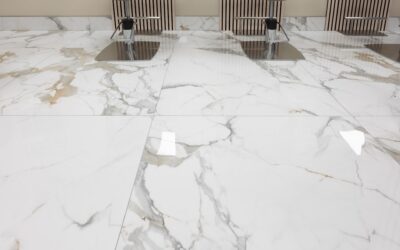
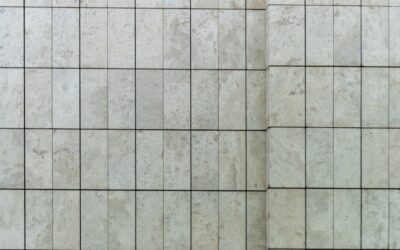
Porcelain is the most demanding common tile to install — dense enough to require diamond blades and premium thinset, heavy enough to punish sloppy prep — and the labor bill reflects it. Average porcelain tile installation cost in 2026 runs $10 to $30 per square foot installed for most residential floors, with straightforward jobs on clean slabs landing near the bottom and large-format tile with substrate prep pushing past the top. A 200-square-foot kitchen therefore realistically costs $2,000 to $6,000 all-in. This guide itemizes where the money goes — tile grades, labor rates, prep, tear-out, and pattern surcharges — so you can read quotes like a contractor.
Part of our Tile & Grout guide — explore the full guide →
The Headline Numbers for 2026
- Budget installs: $8-$12 per square foot — basic 12×24 porcelain on a flat, sound slab, simple layout
- Typical installs: $12-$20 per square foot — mid-grade tile, standard prep, uncoupling membrane
- High-end installs: $20-$30+ per square foot — large-format or designer tile, leveling work, patterns, heated floors
By project: a 40-square-foot bathroom floor commonly totals $600 to $1,600; a 200-square-foot kitchen/dining floor $2,400 to $5,000; a 100-square-foot shower and bath wall package $2,000 to $5,000 (walls always cost more per foot than floors); a whole 1,000-square-foot main level $10,000 to $25,000. Small jobs carry minimum charges — many tile setters will not roll a truck for less than $500 to $800.
Material: What Porcelain Itself Costs
Tile is often the smaller half of the bill. Current retail ranges:
- $2-$4 per square foot: Builder-grade porcelain from big-box stores — glazed, usually 12×12 or 12×24, limited patterns per box.
- $4-$8: The volume middle — quality wood-look planks, stone-look 12x24s, better shade variation and rectified edges.
- $8-$15: Designer lines, color-body and through-body porcelain, large formats like 24×48.
- $15-$30+: Imported Italian and Spanish collections, gauged porcelain panels, specialty finishes.
Add 10 to 15 percent overage for cuts and breakage — 15 percent on diagonal and herringbone layouts. Setting materials are not trivial either: porcelain requires polymer-modified thinset ($25-$45 per 50-pound bag), and an uncoupling membrane such as Schluter Ditra adds $2 to $4 per square foot installed but meaningfully reduces cracking risk on slabs and wood subfloors.
Labor: Why Porcelain Costs More Than Ceramic to Install
Tile setters typically charge $5 to $15 per square foot labor for porcelain floors, versus $4 to $10 for ordinary ceramic. The premium is earned. Porcelain’s density means every cut needs a quality wet saw with a fresh diamond blade, holes need diamond core bits, and the tile’s low absorption demands correctly burned-in modified thinset for bond. Flatness tolerances are also tighter: a hard, rigid tile telegraphs every hump in the substrate as lippage. Wall work, niches, curbless showers, and bullnose detailing all bill higher — expect $15 to $30 per square foot labor in showers.
The Factors That Swing Your Quote Most
Large-Format Tile
Anything with an edge 15 inches or longer — which now includes the most popular sizes, 12×24, 24×24, and wood-look planks up to 48 inches — officially counts as large format. These require flatter floors (1/8 inch in 10 feet), medium-bed mortar techniques, back-buttering, and lippage-control clip systems. Setters commonly surcharge $2 to $5 per square foot for large format, and the flatness requirement is what triggers leveling work.
Substrate Prep and Leveling
The invisible budget line. Self-leveling underlayment runs $2 to $5 per square foot where needed; grinding high spots, replacing flexy subfloor sections, or adding a second plywood layer each add hundreds. On wood-framed floors, deflection matters — porcelain wants stiff framing, and reinforcing a bouncy floor is not optional if you want grout lines that stay uncracked.
Tear-Out
Removing existing flooring adds $1.50 to $4.50 per square foot depending on what is coming up — old glued vinyl is cheap to pull, bonded ceramic over mortar bed is brutal. Hauling and disposal fees of $100 to $500 often appear as separate lines.
Layout and Pattern
Diagonal sets add roughly 10 to 20 percent to labor; herringbone and chevron 25 to 50 percent, since every tile meets a cut and layout precision compounds. Multiple tile sizes, borders, and inlays price by complexity.
Extras Worth Budgeting
- Electric radiant heat under tile: $8-$15 per square foot added, including the electrician
- Schluter-type metal edge profiles: $10-$25 per linear foot installed
- Baseboard or shoe-mold removal and reset: $1-$3 per linear foot
- Furniture and appliance moving: often $50-$200
DIY vs. Hiring: The Honest Comparison
DIY drops the cost to materials plus tools — realistically $4 to $10 per square foot all-in — and a patient first-timer can produce a good floor in a simple rectangular room with 12×24 tile and a leveling-clip system. The catch is that porcelain is the least forgiving DIY tile: wet-saw rental runs $60 to $100 per day, cuts chip without technique, and large format in an out-of-flat room will humble anyone. A fair split: DIY the laundry room and guest bath, hire out showers, herringbone, and anything over 24 inches. Failed tile work is uniquely expensive to redo because demo destroys the material.
What the Project Timeline Looks Like
Cost and schedule travel together, because tile labor bills by the day in practice. A typical 200-square-foot floor runs two to four working days: half a day to a day of tear-out and prep, a day of leveling with overnight cure if needed, a day of setting, and a final morning of grouting after the thinset cures overnight. Showers run five to ten working days once waterproofing cure times and inspections are counted. Two scheduling notes save money and grief: do not let anyone grout the same day they set tile over standard thinset, and confirm who is responsible for toilet removal, appliance disconnection, and door trimming — three small tasks that generate the most common change orders on tile invoices.
Seven Ways to Lower the Bill
- Get three itemized bids — porcelain labor quotes routinely spread 30 percent in the same zip code.
- Buy the tile yourself from clearance and overstock lots, but confirm quantity plus 15 percent before lots sell out.
- Choose standard 12×24 over 24×48 — smaller large-format saves both surcharge and prep.
- Do your own tear-out and disposal.
- Keep the layout straight-set with a mid-range grout, and skip niches and borders that add hours.
- Tile in the contractor’s slow season, typically mid-winter.
- Do not cheap out on prep or membrane — a cracked $2,500 floor is the most expensive savings available.
Bottom Line
Plan around $12 to $20 per square foot installed for a typical quality job, and treat quotes below $10 with suspicion — the money is usually missing from prep, which is exactly where porcelain fails. Because the tile itself routinely outlasts the house, porcelain tile installation cost is front-loaded value: spend properly once on flatness, membrane, and a skilled setter, and the floor amortizes to almost nothing per year over the decades it will serve.
Prefer to explore on your own?
See how new flooring looks in your actual room in seconds — free, no signup.
Try the free Floor Studio →