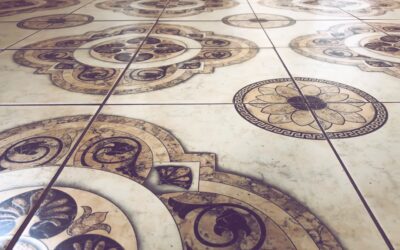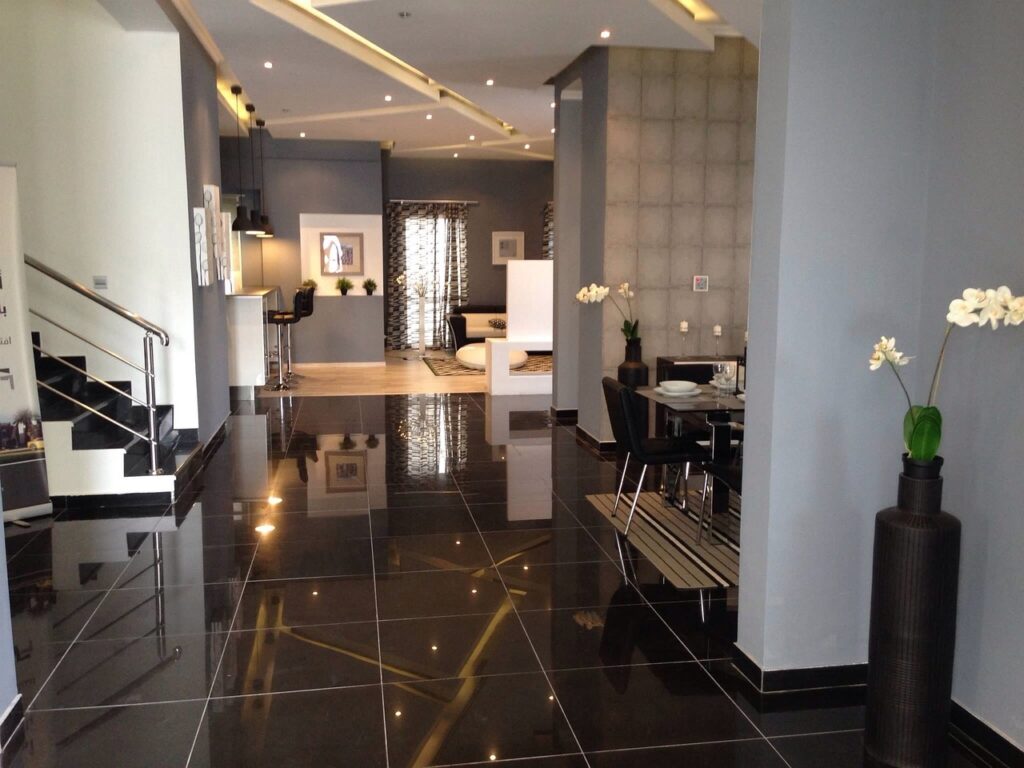
Tile is one of the most durable flooring materials available, but tile flooring cost varies dramatically depending on the type of tile, the complexity of the installation, and the condition of your subfloor. A basic ceramic tile floor might cost $6 per square foot installed, while a natural stone floor with a complex pattern can exceed $35. Understanding where the money goes helps you set a realistic budget and avoid sticker shock once the project is underway.
Part of our Tile & Grout guide — explore the full guide →
This guide breaks down tile flooring cost by tile type, labor, room size, and the hidden extras that catch homeowners off guard.
Tile Flooring Cost by Type
The three main categories of floor tile — ceramic, porcelain, and natural stone — span a wide price range. Within each category, quality, size, and aesthetic complexity drive further variation.
| Tile Type | Material Cost (per sq ft) | Labor Cost (per sq ft) | Total Installed (per sq ft) | Durability |
|---|---|---|---|---|
| Ceramic (basic) | $1.00 – $4.00 | $4.00 – $8.00 | $5.00 – $12.00 | Moderate |
| Ceramic (designer) | $3.00 – $8.00 | $5.00 – $10.00 | $8.00 – $18.00 | Moderate to high |
| Porcelain (standard) | $3.00 – $6.00 | $5.00 – $10.00 | $8.00 – $16.00 | High |
| Porcelain (premium) | $5.00 – $12.00 | $6.00 – $12.00 | $11.00 – $24.00 | Very high |
| Slate | $4.00 – $10.00 | $6.00 – $12.00 | $10.00 – $22.00 | High |
| Marble | $8.00 – $25.00 | $8.00 – $15.00 | $16.00 – $40.00 | Moderate (porous) |
| Travertine | $5.00 – $15.00 | $7.00 – $14.00 | $12.00 – $29.00 | Moderate |
| Granite | $6.00 – $18.00 | $8.00 – $15.00 | $14.00 – $33.00 | Very high |
Ceramic tile is the most affordable option. Made from red or white clay fired at lower temperatures than porcelain, it is easier to cut and lighter weight but less dense and more porous. Ceramic works well in bedrooms, living rooms, and light-traffic areas. It is not ideal for outdoor use or freeze-thaw environments.
Porcelain tile is denser, harder, and less porous than ceramic because it is made from refined clay and fired at higher temperatures. Porcelain works in any room including bathrooms, kitchens, entryways, and outdoor patios. The higher price reflects superior durability and versatility. For specific product recommendations, see our porcelain floor tiles guide.
Natural stone tile (slate, marble, travertine, granite) offers unmatched visual appeal but comes with higher material costs, more demanding installation requirements, and ongoing sealing maintenance. Stone is the premium choice for homeowners who want a one-of-a-kind floor with natural variation.
Material vs Labor Cost Breakdown
Unlike flooring types where materials dominate the budget (like laminate or LVP), tile flooring cost is heavily weighted toward labor. Tile installation requires specialized skills, tools, and significantly more time than floating floor products.
Materials typically account for 30% to 45% of the total installed cost. This includes the tile itself, thinset mortar, grout, backer board (if needed), and sealer.
Labor typically accounts for 55% to 70% of the total. Tile installation labor rates range from $4 to $15 per square foot depending on the tile type, pattern complexity, and local market rates. Complex patterns (herringbone, basketweave, diagonal) cost 20% to 40% more in labor than straight-lay patterns.
This labor-heavy cost structure means that DIY tile installation saves a proportionally larger amount than DIY installation of click-lock products. However, tile installation requires significantly more skill, and mistakes are expensive to correct.
Tile Flooring Cost Per Room
Here is what to expect for total tile flooring cost by room, using mid-range porcelain tile with professional installation.
| Room | Typical Size (sq ft) | Material Cost | Total Installed (Pro) |
|---|---|---|---|
| Bathroom (small) | 40 – 60 | $160 – $480 | $400 – $1,200 |
| Bathroom (master) | 80 – 120 | $320 – $960 | $800 – $2,400 |
| Kitchen | 100 – 200 | $400 – $1,600 | $1,000 – $4,000 |
| Entryway/foyer | 30 – 60 | $120 – $480 | $300 – $1,200 |
| Laundry room | 30 – 50 | $120 – $400 | $300 – $1,000 |
| Living room | 200 – 350 | $800 – $2,800 | $2,000 – $7,000 |
| Whole house (1,500 sq ft) | 1,500 | $6,000 – $12,000 | $12,000 – $30,000 |
Factors That Affect Tile Flooring Cost
Beyond the base material and labor rates, several factors can significantly change your total tile flooring cost.
Tile size. Larger tiles (18×18, 24×24, or 12×24 rectangle) cost more per piece but cover ground faster, potentially reducing labor time. However, large tiles require flatter subfloors and more careful installation, which can increase prep costs. Smaller tiles (under 6×6) and mosaics require more labor per square foot because of the higher number of pieces and grout joints.
Layout pattern. Straight grid layouts are the cheapest to install. Brick (offset) patterns add 5% to 10% in labor. Diagonal layouts add 15% to 25%. Herringbone and chevron patterns add 25% to 40% in labor because every piece requires angled cuts.
Subfloor condition. A flat, clean concrete slab is the ideal substrate and adds no extra cost. A plywood subfloor requires cement backer board ($0.40 to $0.75 per sq ft plus labor). A subfloor that needs leveling adds $2 to $5 per square foot. Removing existing flooring adds $1 to $4 per square foot depending on the material.
Room complexity. Bathrooms with toilet flanges, vanity cutouts, and shower thresholds require more cuts and fitting than a simple rectangular room. Complex rooms increase labor costs by 15% to 30%.
Geographic location. Labor rates for tile installation vary significantly by region. Major coastal cities typically see rates 30% to 50% higher than rural areas and smaller markets.
Tile vs Other Flooring Cost Comparison
How does tile flooring cost compare to other popular options? This comparison uses mid-range products with professional installation.
| Flooring Type | Installed Cost (per sq ft) | Lifespan | Cost Per Year of Use |
|---|---|---|---|
| Ceramic tile | $5.00 – $12.00 | 50 – 75+ years | $0.10 – $0.20 |
| Porcelain tile | $8.00 – $16.00 | 50 – 75+ years | $0.13 – $0.27 |
| LVP | $4.00 – $9.00 | 15 – 25 years | $0.20 – $0.45 |
| Laminate | $3.50 – $7.50 | 12 – 20 years | $0.23 – $0.47 |
| Hardwood | $8.00 – $18.00 | 50 – 100+ years | $0.12 – $0.24 |
| Carpet | $3.00 – $9.00 | 5 – 15 years | $0.30 – $0.90 |
Tile has a higher upfront cost than laminate or LVP, but its extraordinary lifespan makes it one of the cheapest flooring options on a per-year basis. A well-installed tile floor can outlast the house itself. When you factor in lifetime cost, tile competes favorably with every other flooring type. For a full analysis across all categories, visit our flooring cost guide.
Hidden Costs of Tile Flooring
These commonly overlooked expenses catch many homeowners off guard during a tile project.
Cement backer board ($0.40 – $0.75 per sq ft materials, $1.00 – $2.00 installed). Required over any plywood subfloor. Backer board adds both material and labor cost to the project. Over concrete, this expense is eliminated.
Grout ($0.15 – $0.50 per sq ft). Standard sanded grout is cheap. Epoxy grout, which is stain-proof and ideal for kitchens, costs 3 to 4 times more. Colored grout also carries a premium over basic white or gray.
Sealer ($0.25 – $0.75 per sq ft). Cement-based grout needs sealing after installation and every 1 to 3 years thereafter. Natural stone tiles also require sealing — sometimes before and after grouting. Budget for initial sealing plus ongoing maintenance.
Demolition and removal ($1.00 – $4.00 per sq ft). Removing existing tile is the most expensive demolition job due to the weight, dust, and labor involved. Old tile must be chiseled or jackhammered up, and the thinset residue below must be scraped or ground smooth.
Subfloor leveling ($2.00 – $5.00 per sq ft). Tile demands a flat subfloor. Self-leveling compound and grinding are common prep expenses that do not apply to more forgiving flooring types like LVP.
Waste factor (10 – 15%). Tile breakage during cutting, defective pieces, and pattern-matching waste mean you should order 10% extra for standard layouts and 15% for diagonal or complex patterns.
Heated floor system ($5 – $12 per sq ft). Electric radiant heat mats installed beneath tile add comfort but significantly increase project cost. This is a popular upgrade in bathroom tile projects.
How to Save Money on Tile Flooring
These strategies can reduce your tile flooring cost without compromising the quality of your finished floor.
Choose ceramic over porcelain for low-traffic rooms. In bedrooms, guest bathrooms, and closets, ceramic tile performs identically to porcelain at 30% to 50% less cost. Save porcelain for kitchens, entryways, and outdoor areas where its superior density matters.
Stick to standard sizes. 12×12 and 12×24 tiles are the most cost-effective sizes — they balance material cost, labor efficiency, and visual appeal. Very large tiles (24×24+) cost more per piece and require flatter subfloors. Very small tiles and mosaics dramatically increase labor costs.
Use a simple layout. Straight grid or basic brick (offset) patterns minimize cuts and labor time. Every step up in pattern complexity adds 10% to 40% in labor costs.
Do your own demolition. Removing existing flooring yourself saves $1 to $4 per square foot. Tile removal is hard work but requires only basic tools (hammer, pry bar, floor scraper).
Shop at warehouse retailers. Floor & Decor, Costco, and online tile retailers price tile 20% to 40% below traditional tile showrooms. The tiles are often identical products.
Buy from the same dye lot. Ordering all your tile from one dye lot avoids color variation issues and potential re-ordering delays.
Visit our tile flooring page for specific product recommendations at every price point.
Frequently Asked Questions
How much does it cost to tile a 200 square foot room?
A 200 sq ft room costs $1,000 to $3,200 for mid-range porcelain tile with professional installation. Using basic ceramic tile brings the low end down to about $1,000. Natural stone can push costs to $4,000 to $8,000.
Is tile more expensive than hardwood?
Mid-range tile and mid-range hardwood cost roughly the same installed ($8 to $18 per sq ft). Budget ceramic tile is significantly cheaper than hardwood, while premium natural stone is more expensive. Tile’s superior lifespan (50+ years vs 20 to 30 years between refinishing for hardwood) makes it competitive on lifetime cost.
How much does labor cost for tile installation?
Tile installation labor ranges from $4 to $15 per square foot depending on tile type, pattern complexity, and local rates. Expect to pay $4 to $8 for basic ceramic in a straightforward layout, and $8 to $15 for large-format porcelain or natural stone in complex patterns.
Is porcelain tile worth the extra cost over ceramic?
Yes, in high-traffic areas, kitchens, bathrooms, and entryways. Porcelain’s higher density makes it more scratch-resistant, stain-resistant, and less porous. In low-traffic bedrooms or closets, ceramic performs equally well at a lower price.
How much does it cost to remove old tile flooring?
Professional tile removal costs $2 to $4 per square foot, making it the most expensive flooring demolition job. The cost covers chiseling up the tile, scraping thinset residue, and disposing of heavy debris.
Does tile flooring add value to a home?
Yes, tile flooring adds measurable resale value, particularly in kitchens, bathrooms, and entryways. Porcelain and natural stone tile are viewed as premium features by buyers. The National Association of Realtors consistently ranks tile among the top flooring choices for return on investment.
Prefer to explore on your own?
See how new flooring looks in your actual room in seconds — free, no signup.
Try the free Floor Studio →