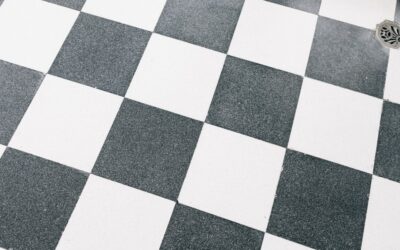
Not all tile floor cleaners are created equal, and using the wrong one can damage your floors. A product that works beautifully on porcelain can etch natural stone. A cleaner that shines ceramic can leave a sticky film that attracts more dirt. Acidic cleaners destroy marble. Harsh chemicals ruin grout.
Part of our Tile & Grout guide — explore the full guide →
This guide ranks the best tile floor cleaners by tile type, covers effective homemade solutions, explains what to avoid for each material, and helps you establish a cleaning routine that keeps your tile floors looking new without causing damage.
Best Tile Floor Cleaners Ranked
| Product | Best For | Formula Type | pH Level | Price | Rating |
|---|---|---|---|---|---|
| Bona Hard-Surface Floor Cleaner | Porcelain, ceramic (overall best) | Ready-to-use spray | Neutral (7) | $8 to $12 (36 oz) | Best overall |
| Zep Grout Cleaner & Brightener | Grout cleaning | Acidic concentrate | Acidic (2 to 3) | $8 to $10 (32 oz) | Best for grout |
| Method Squirt + Mop Hard Floor Cleaner | Daily cleaning, all tile types | Ready-to-use squirt | Neutral | $5 to $7 (25 oz) | Best eco-friendly |
| Rejuvenate Luxury Vinyl & Tile Cleaner | Textured tile, heavy soil | Ready-to-use spray | Neutral | $7 to $10 (32 oz) | Best for textured tile |
| Black Diamond Stoneworks Stone Floor Cleaner | Natural stone (marble, slate, travertine) | Concentrate | Neutral (7) | $12 to $16 (32 oz) | Best for natural stone |
| Aunt Fannie’s Floor Cleaner Vinegar Wash | Porcelain and ceramic only | Ready-to-use | Mildly acidic | $8 to $12 (32 oz) | Best natural option |
Detailed Product Reviews
Bona Hard-Surface Floor Cleaner (Best Overall)
Bona’s hard-surface cleaner is a pH-neutral, no-rinse formula that works on porcelain, ceramic, laminate, LVP, and sealed stone. It does not leave residue, streaks, or film, which is the most common complaint with other tile cleaners. The spray-and-mop application is fast, and the formula dries quickly without dulling the tile surface.
Why it wins: Versatility and residue-free performance. One product cleans almost every hard floor in your home without risk of damage. The pH-neutral formula is safe for grout and will not etch sensitive surfaces.
Limitations: Not a heavy-duty degreaser. For kitchens with baked-on grease or heavy soiling, you may need a more aggressive cleaner for periodic deep cleaning.
Zep Grout Cleaner & Brightener (Best for Grout)
Dirty grout makes even clean tile look old. Zep’s acidic formula penetrates grout pores and lifts embedded dirt, mildew, and staining that neutral cleaners cannot touch. The thick gel clings to grout lines without running off, giving the active ingredients time to work.
Why it wins: Nothing else cleans grout as effectively for the price. Apply, let it sit 2 to 3 minutes, scrub with a stiff brush, and rinse. The results are dramatic, often making old grout look new.
Limitations: The acidic formula must NOT be used on natural stone tile (marble, travertine, limestone). It can etch and permanently damage acid-sensitive stone. Also avoid contact with colored grout as it may lighten it. Use only on standard cement grout with porcelain or ceramic tile.
Method Squirt + Mop (Best Eco-Friendly)
Method’s plant-based formula is biodegradable, non-toxic, and leaves no residue. The squirt bottle design eliminates the need for a bucket. Squeeze a line on the floor, mop it in, and you are done. No rinsing required. Available in several scents and an unscented version.
Why it wins: Safest option for homes with children and pets. The no-rinse, no-bucket design makes daily cleaning fast and easy. Effective for light to moderate soiling on all tile types including natural stone.
Limitations: Not strong enough for heavy grease, deep grout stains, or floors that have not been cleaned in a long time. Best as a daily or weekly maintenance cleaner.
Rejuvenate Luxury Vinyl & Tile Cleaner (Best for Textured Tile)
Textured porcelain and ceramic tiles have a rough surface that traps dirt in micro-grooves that flat mops miss. Rejuvenate’s formula is designed to penetrate these textures and lift embedded soil. It works well with both spray-mop and traditional mop application.
Why it wins: Specifically formulated for the textured, matte-finish tiles that are increasingly popular in kitchens and bathrooms. Lifts ground-in dirt that smooth-surface cleaners leave behind.
Black Diamond Stoneworks (Best for Natural Stone)
Natural stone tile (marble, slate, travertine, granite, limestone) requires a pH-neutral, non-acidic cleaner specifically formulated for stone. Black Diamond’s concentrate is the most widely recommended stone floor cleaner by tile professionals. It cleans effectively without stripping sealers or etching sensitive surfaces.
Why it wins: Specifically engineered for natural stone. pH-balanced to protect the stone and any applied sealers. Concentrated formula offers good value. Safe for all natural stone types.
Best Tile Floor Cleaner by Tile Type
Porcelain Tile
Porcelain is the most forgiving tile type for cleaning. Its near-zero absorption rate means chemicals sit on the surface and do not penetrate the tile body. Almost any cleaner works on porcelain, but pH-neutral formulas are still recommended for regular use to protect grout.
- Daily/weekly: Bona Hard-Surface Cleaner or Method Squirt + Mop
- Deep cleaning: Diluted all-purpose cleaner or Zep tile cleaner
- Grout cleaning: Zep Grout Cleaner or baking soda paste
- Avoid: Wax-based cleaners, oil-based soaps (they build up film over time)
Ceramic Tile
Ceramic tile is slightly more porous than porcelain, especially unglazed ceramic. Use pH-neutral cleaners for regular maintenance and avoid harsh acids on unglazed surfaces.
- Daily/weekly: Bona Hard-Surface Cleaner or warm water with a few drops of dish soap
- Deep cleaning: Rejuvenate Tile Cleaner or diluted all-purpose cleaner
- Grout cleaning: Baking soda paste with hydrogen peroxide
- Avoid: Bleach on colored ceramic, abrasive scrubbers on glazed surfaces, ammonia-based cleaners long-term
Natural Stone Tile (Marble, Slate, Travertine)
Natural stone requires the most careful cleaning approach. Stone is porous, acid-sensitive, and easily scratched. Using the wrong product can cause permanent etching, staining, or dulling.
- Daily/weekly: Black Diamond Stoneworks cleaner or plain warm water with a microfiber mop
- Deep cleaning: Stone-specific concentrated cleaner diluted per instructions
- Stain removal: Poultice method for deep stains (consult a stone professional for guidance)
- Avoid: Vinegar, lemon juice, any acidic cleaner, Zep Grout Cleaner, bleach, ammonia, abrasive pads
Homemade Tile Floor Cleaning Solutions
Effective tile floor cleaners can be made from common household ingredients. These are especially useful for homeowners who prefer chemical-free cleaning.
All-Purpose Tile Cleaner (Porcelain and Ceramic Only)
- 1 gallon warm water
- 1/4 cup white vinegar
- 1 tablespoon dish soap (Dawn or similar)
- Use with a microfiber mop. Rinse with clean water after mopping.
Warning: Do NOT use this vinegar-based solution on natural stone. Vinegar is acidic and will etch marble, travertine, limestone, and other calcium-based stones.
Grout Cleaning Paste
- 1/2 cup baking soda
- 1/4 cup hydrogen peroxide (3%)
- 1 tablespoon dish soap
- Mix into a paste. Apply to grout lines with an old toothbrush. Let sit 10 minutes. Scrub and rinse.
Heavy-Duty Degreaser (Kitchen Floors)
- 1 gallon hot water
- 1/2 cup baking soda
- 2 tablespoons dish soap
- Mop, let sit 5 minutes, then mop again with clean water to rinse.
Steam Mops: Safe or Risky?
Steam mops are popular for tile floor cleaning, but their safety depends on your tile type and installation.
Safe For
- Porcelain tile with epoxy grout: The most steam-safe combination. Porcelain handles heat without issue, and epoxy grout is non-porous.
- Glazed ceramic tile: Generally safe, though check that the glaze is in good condition.
Use With Caution
- Cement grout: Steam can push moisture into porous cement grout, potentially loosening it over time. Occasional steam cleaning is fine; daily use is not recommended.
- Tile with cracked or missing grout: Steam will force moisture under the tile, which can loosen tiles and promote mold growth.
Avoid Steam Mops On
- Natural stone: Heat and moisture can damage sealers and cause thermal shock to some stone types.
- Unglazed tile: Porous surfaces absorb the steam moisture.
What to Avoid by Tile Type
| Tile Type | Never Use | Why |
|---|---|---|
| Porcelain | Wax-based cleaners, oil soaps | Builds up sticky film that dulls the surface and attracts dirt |
| Ceramic (glazed) | Abrasive scrubbers, steel wool | Scratches the glazed surface permanently |
| Ceramic (unglazed) | Strong acids, dye-based cleaners | Porous surface absorbs chemicals and stains |
| Marble | Vinegar, lemon, any acid, bleach | Acid etches calcium carbonate, causing dull spots |
| Slate | Acidic cleaners, harsh chemicals | Strips natural cleft texture and sealers |
| Travertine | Vinegar, citrus cleaners, grout cleaner | Acid dissolves the stone surface, especially around natural pits |
| All grout types | Bleach (regular use), ammonia | Degrades grout over time; bleach weakens cement grout |
Tile Floor Cleaning Routine
The best tile floor cleaning approach uses different methods at different frequencies. This schedule keeps tile and grout clean without overusing chemicals.
Daily
- Dry sweep or vacuum: Remove loose dirt, dust, and grit that scratches tile surfaces. Use a microfiber dust mop or a vacuum set to hard-floor mode (no beater bar).
Weekly
- Damp mop with pH-neutral cleaner: Spray Bona or Method on the floor and mop with a microfiber pad. Change the pad or rinse it when it gets dirty. Do not reuse dirty mop water.
Monthly
- Deep clean with a scrub: Use a slightly stronger solution (diluted all-purpose cleaner) and a scrub brush for high-traffic areas and kitchen floors. Pay attention to grout lines in these areas.
Every 6 to 12 Months
- Grout deep cleaning: Apply a dedicated grout cleaner (Zep for porcelain/ceramic, stone-safe option for natural stone) to all grout lines. Scrub, rinse, and reseal if using cement grout.
- Reseal natural stone: If you have marble, slate, travertine, or other natural stone, reapply stone sealer annually or as needed.
Frequently Asked Questions
What is the best homemade tile floor cleaner?
For porcelain and ceramic tile, mix 1/4 cup white vinegar and 1 tablespoon dish soap in a gallon of warm water. For natural stone, skip the vinegar and use plain warm water with a drop of pH-neutral dish soap. For grout, make a paste from baking soda and hydrogen peroxide.
Can you use vinegar on tile floors?
Vinegar is safe for porcelain and glazed ceramic tile. It is NOT safe for natural stone (marble, travertine, limestone, slate) because the acid etches and damages the stone surface. Even on porcelain, avoid using undiluted vinegar as it can degrade cement grout over time.
Why does my tile floor still look dirty after mopping?
The most common cause is residue buildup from soap-based or wax-based cleaners. These products leave a thin film that attracts and holds dirt. Switch to a residue-free, pH-neutral cleaner like Bona. You may need to strip the old residue first with a diluted all-purpose cleaner and thorough rinsing.
Is it safe to use bleach on tile floors?
Diluted bleach can be used occasionally on white porcelain and ceramic tile for disinfection. However, regular bleach use degrades cement grout, can discolor colored grout and tile, and is harmful to natural stone. For routine cleaning, pH-neutral cleaners are safer and equally effective.
How do you clean textured tile floors?
Textured tiles trap dirt in their surface grooves. A standard flat mop will not reach into these textures. Use a stiff-bristle scrub brush or a spin mop with microfiber pads, along with a cleaner designed for textured tile (like Rejuvenate). For stubborn grime, let the cleaner sit for 5 minutes before scrubbing.
Should I seal my tile floor?
Porcelain and glazed ceramic tiles do not need sealing because they are already non-porous. Unglazed ceramic, cement tile, and all natural stone tiles should be sealed. Grout should also be sealed (unless it is epoxy grout, which is already non-porous).
Prefer to explore on your own?
See how new flooring looks in your actual room in seconds — free, no signup.
Try the free Floor Studio →