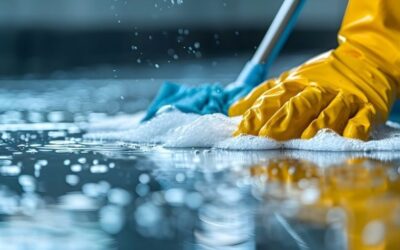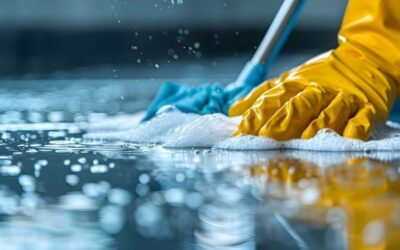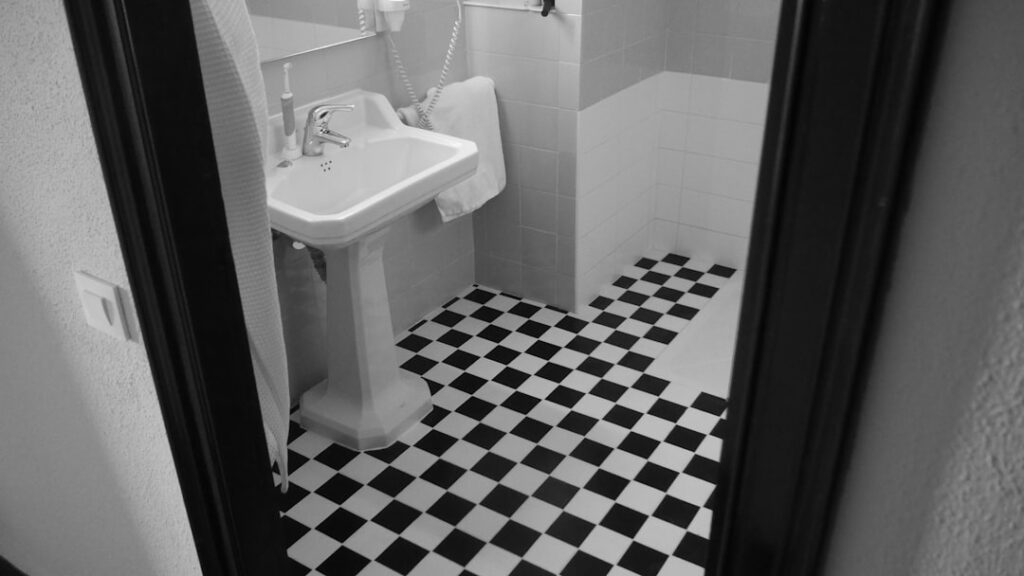
Knowing how to clean tile floors properly keeps them looking new for decades. Tile is one of the most durable and low-maintenance flooring options available, but improper cleaning can dull the surface, damage grout, and leave behind residue that attracts dirt. The right approach depends on your tile type — porcelain, ceramic, and natural stone each have different needs.
This guide covers daily maintenance, deep cleaning, grout care, stain removal, and the products you should never use on tile floors.
Daily Cleaning: The Foundation
The most important thing you can do for your tile floors is keep them free of loose dirt and grit. Sand and debris act like sandpaper under foot traffic, gradually dulling the tile surface and wearing down grout. A consistent daily routine prevents 90% of tile floor problems.
Sweeping
Sweep tile floors daily in high-traffic areas (kitchens, entryways) and every few days in lower-traffic rooms. Use a soft-bristle broom or a dust mop with a microfiber pad. Push debris in one direction rather than back and forth, which just redistributes the dust.
Vacuuming
A vacuum with a hard-floor setting (brush roll off) works well on tile. It picks up fine dust and debris from grout lines more effectively than a broom. Avoid using a vacuum with an active brush roll on tile, as it can scratch glazed surfaces and scatter debris.
Robot vacuums are excellent for tile floors — they run daily and keep grit from accumulating between deep cleanings.
Mopping: The Right Way
Mopping is the core of tile floor cleaning. Done correctly, it removes surface grime, footprints, and spills. Done incorrectly, it can leave residue, haze, and streaks.
Best Mopping Method
- Sweep or vacuum first — always remove loose debris before mopping
- Use warm water and a pH-neutral cleaner — a few drops of dish soap in a gallon of warm water works for routine cleaning; commercial tile cleaners are also fine
- Wring the mop well — the mop should be damp, not soaking wet; excess water sits in grout lines and can cause issues over time
- Mop in sections — work in 4×4 foot sections, overlapping passes
- Rinse with clean water — a second pass with clean water removes any cleaner residue
- Change the water often — dirty mop water just redistributes grime; change it as soon as it looks cloudy
Best Mop Types for Tile
- Microfiber flat mop — best for routine cleaning; picks up grime without excess water
- String mop — good for deep cleaning; reaches into grout lines
- Spray mop — convenient for quick cleanups; use with a tile-safe solution
- Steam mop — effective for sanitizing (see the section below)
The pH-Neutral Rule
Always use a pH-neutral cleaner (pH 6-8) on tile floors. Acidic cleaners (vinegar, lemon juice, most bathroom cleaners) and alkaline cleaners (ammonia, bleach) can etch natural stone, degrade grout, and dull glazed tile over time. A purpose-made tile floor cleaner or a few drops of mild dish soap in warm water is all you need for routine mopping.
Cleaning by Tile Type
Porcelain Tile
Porcelain is the easiest tile to clean. Its extremely dense, non-porous surface resists stains and absorbs almost no moisture. For routine cleaning, warm water and a microfiber mop are usually sufficient. For deeper cleaning, any pH-neutral tile cleaner works well.
Glazed porcelain has a smooth, sealed surface that wipes clean easily. Unglazed (matte or textured) porcelain may trap dirt in its texture — use a soft bristle brush for stubborn areas.
Explore our full range of tile flooring options including porcelain varieties.
Ceramic Tile
Ceramic tile is slightly more porous than porcelain but still very easy to clean. Glazed ceramic cleans just like glazed porcelain. Unglazed ceramic should be sealed after installation and resealed annually to prevent staining.
Use a pH-neutral cleaner and avoid abrasive scrubbing pads, which can scratch the glaze. For textured ceramic, a soft brush helps remove embedded dirt.
Natural Stone Tile
Natural stone — marble, slate, travertine, limestone, granite — requires more careful cleaning than porcelain or ceramic. Stone is porous and can be etched or stained by the wrong products.
- Always use a stone-specific cleaner — never vinegar, lemon, bleach, or generic tile cleaners
- Seal stone tiles — apply a penetrating stone sealer every 6-12 months
- Wipe spills immediately — acidic substances (wine, citrus, tomato sauce) can etch marble and limestone within minutes
- Use soft cloths and mops — never abrasive pads or steel wool
- Avoid steam mops on unsealed or cracked stone — steam can penetrate and damage the stone
| Stone Type | Sensitivity | Key Caution |
|---|---|---|
| Marble | High — etches easily | No acidic cleaners; seal frequently |
| Travertine | High — porous | Fill holes with grout; seal well |
| Limestone | High — soft and porous | Very sensitive to acids; seal twice yearly |
| Slate | Moderate | Flakes if sealed improperly; use slate-specific sealer |
| Granite | Low — very dense | Most durable stone; still seal annually |
Grout Cleaning
Grout is the weakest link in any tile floor. It is porous, absorbs stains, and can harbor mold and mildew in wet areas. Keeping grout clean is essential for a tile floor that looks its best.
Routine Grout Maintenance
Regular mopping keeps grout reasonably clean. The key is to not let grime build up over weeks or months, which leads to deep-set staining that is much harder to remove.
Deep Grout Cleaning
For grout that has already discolored, these methods work progressively from mild to aggressive:
- Baking soda paste — mix baking soda and water into a paste, apply to grout lines, scrub with a stiff brush, rinse
- Baking soda + hydrogen peroxide — combine into a paste for more cleaning power; let it sit for 10 minutes before scrubbing
- Commercial grout cleaner — products like Black Diamond or Zep are formulated for grout; follow the label directions
- Oxygen bleach — OxiClean dissolved in water, applied to grout for 15-30 minutes, scrubbed and rinsed; effective for stubborn stains
- Steam cleaning — a handheld steam cleaner with a brush attachment blasts dirt out of grout without chemicals
For a detailed walkthrough, see our complete grout cleaning guide and our picks for the best grout cleaners.
Grout Sealing
Sealing grout is the best preventative measure against staining. Apply a penetrating grout sealer after installation and reseal every 1-2 years (annually in bathrooms and kitchens). A properly sealed grout line repels water and stains, making routine cleaning much easier.
To test if your grout needs resealing, drip a few drops of water on the grout line. If the water beads up, the seal is intact. If it soaks in and darkens the grout, it is time to reseal.
Stain Removal Guide
| Stain Type | Removal Method |
|---|---|
| Grease / cooking oil | Dish soap and warm water; for stubborn grease, baking soda paste left for 15 min |
| Coffee / tea | Hydrogen peroxide on a cloth; blot, do not rub |
| Red wine | Blot immediately; hydrogen peroxide for remaining stain on grout |
| Rust | Commercial rust remover (CLR or Bar Keepers Friend); avoid on natural stone |
| Ink / marker | Rubbing alcohol on a cloth; test in inconspicuous area first |
| Hard water deposits | Equal parts water and white vinegar (not on natural stone); commercial lime remover |
| Mold / mildew | Hydrogen peroxide or oxygen bleach; improve ventilation to prevent recurrence |
| Soap scum | Baking soda paste scrubbed with a brush; rinse thoroughly |
Steam Mopping Tile Floors
Steam mops use heat and water vapor to clean and sanitize floors without chemicals. They are generally safe and effective on tile floors, with some important caveats.
Safe For:
- Glazed porcelain tile
- Glazed ceramic tile
- Sealed grout in good condition
Use with Caution On:
- Unglazed tile (steam can penetrate)
- Cracked or damaged grout (steam pushes moisture into gaps)
- Freshly grouted floors (wait at least 30 days)
Avoid On:
- Unsealed natural stone — steam can penetrate and damage the stone
- Marble and limestone — heat and moisture can cause etching
When using a steam mop on tile, keep it moving steadily. Do not hold it in one spot, as concentrated heat can crack tile or damage grout. Steam mopping is excellent for sanitizing bathroom floors and removing built-up kitchen grime.
Products to Avoid on Tile Floors
Using the wrong products is the fastest way to damage your tile floors. Avoid these:
- Vinegar — safe on glazed porcelain and ceramic, but never on natural stone or unsealed grout; over time, even on glazed tile, it can dull the finish
- Bleach — can discolor colored grout and damage natural stone; acceptable as a one-time deep clean on white grout, but not for routine use
- Ammonia-based cleaners — can discolor grout and damage stone
- Oil-based cleaners — leave a residue that attracts dirt and makes floors slippery
- Wax or polish — creates a buildup that yellows over time and traps dirt
- Abrasive powders (Comet, Ajax) — scratch glazed tile surfaces
- Steel wool or metal scrub pads — scratch tile and leave metal particles that rust in grout
Deep Cleaning Schedule
A structured cleaning schedule keeps your tile floors in top condition with minimal effort.
| Task | Frequency |
|---|---|
| Sweep or vacuum | Daily in high-traffic areas; every 2-3 days elsewhere |
| Damp mop | Weekly |
| Spot-clean stains | As they occur — faster is better |
| Deep mop with tile cleaner | Monthly |
| Scrub grout lines | Every 2-3 months (more often in bathrooms) |
| Reseal grout | Every 1-2 years |
| Reseal natural stone | Every 6-12 months |
| Professional deep clean | Annually (optional; recommended for natural stone) |
Tips for Keeping Tile Floors Clean Longer
- Use doormats — place mats at every exterior entry to catch dirt and grit before it reaches the tile
- Remove shoes — a no-shoes policy dramatically reduces the amount of dirt tracked onto floors
- Wipe spills immediately — even on non-porous tile, spills can stain grout if left sitting
- Use furniture pads — felt pads under furniture legs prevent scratches when items are moved
- Ventilate bathrooms — run the exhaust fan during and after showers to reduce mold on grout
- Keep pets’ nails trimmed — while tile resists scratching, prevention is always better
- Place rugs in high-splash zones — kitchen sink and stove areas benefit from washable rugs
Frequently Asked Questions
Can I use vinegar to clean tile floors?
Vinegar is safe for glazed porcelain and ceramic tile as an occasional cleaner, but it should never be used on natural stone (marble, limestone, travertine) as it will etch the surface. Even on glazed tile, daily vinegar use can gradually dull the finish. A pH-neutral tile cleaner is a safer universal option.
How often should I mop tile floors?
Mop tile floors weekly for routine maintenance. In high-traffic kitchens and bathrooms, mopping twice a week keeps the floor clean. Deep mop with a proper tile cleaner monthly. Always sweep or vacuum before mopping to prevent smearing loose grit.
Why are my tile floors still dirty after mopping?
The most common causes are: (1) not sweeping first, so you are just moving grit around, (2) using dirty mop water that redeposits grime, (3) using too much cleaning product, which leaves a sticky residue that attracts dirt, or (4) not rinsing with clean water after mopping. Try mopping with less product and rinsing with clean water.
Is it safe to use a steam mop on tile?
Steam mops are safe on glazed porcelain and ceramic tile with intact grout. Avoid steam mops on natural stone (especially marble and limestone), unsealed tile, or floors with cracked or deteriorating grout. Keep the mop moving — do not hold it in one spot.
How do I remove grout haze from new tile?
Grout haze — the white film left after grouting — is best removed within the first few days using a grout haze remover (available at hardware stores). Apply as directed, scrub gently, and rinse thoroughly. If the haze has been there for weeks or months, you may need a stronger acid-based haze remover, but test in an inconspicuous area first.
Can I use bleach on tile grout?
Diluted bleach (1:10 ratio with water) can be used as an occasional deep cleaner for white or light grout. However, bleach can discolor colored grout and is too harsh for regular use. Oxygen bleach (OxiClean) is a gentler alternative that cleans effectively without the harshness of chlorine bleach.
Prefer to explore on your own?
See how new flooring looks in your actual room in seconds — free, no signup.
Try the free Floor Studio →