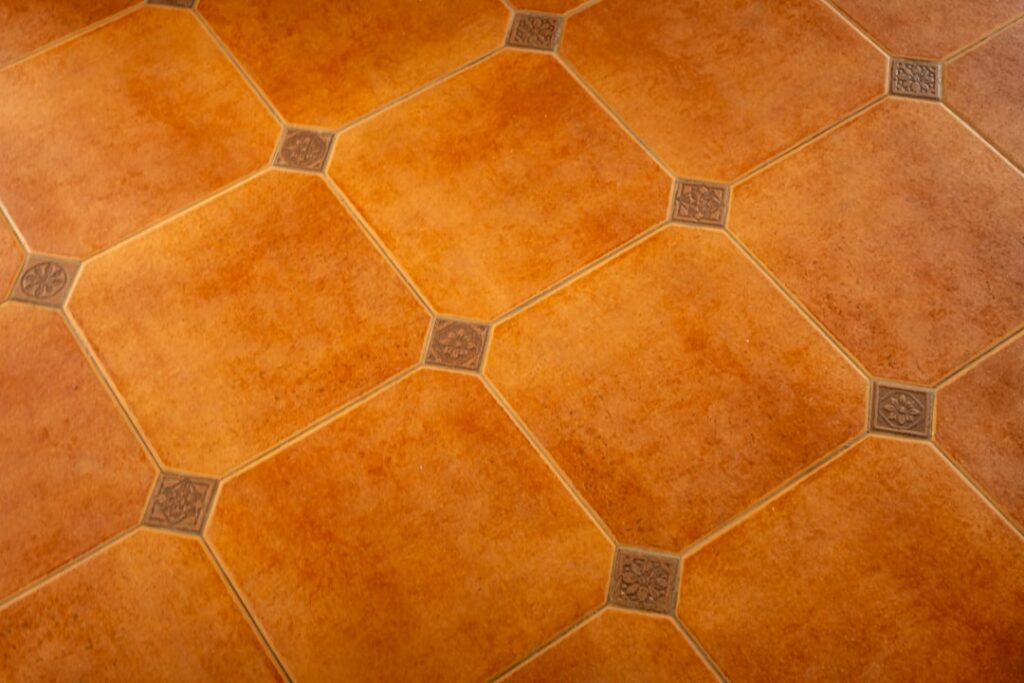
Dirty grout lines are the fastest way to make a beautiful tile floor or shower look neglected. Mopping the tile surface does almost nothing for the grout itself because grout is porous and traps dirt, soap scum, and mildew deep within its pores. You need a dedicated best grout cleaner that can penetrate those pores and lift stains without damaging the surrounding tile.
- Top 8 Best Grout Cleaners Ranked
- 1. Zep Grout Cleaner & Brightener — Best Overall
- 2. Black Diamond Stoneworks Ultimate Grout Cleaner — Best for Floors
- 3. Rejuvenate Grout Deep Cleaner
- 4. CLR Bath & Kitchen Cleaner
- 5. Bar Keepers Friend Soft Cleanser
- 6. OxiClean Versatile Stain Remover
- 7. Soft Scrub with Bleach Cleansing Gel
- 8. DIY Baking Soda + Hydrogen Peroxide — Best Natural Option
- Grout Cleaner Comparison Table
- Spray vs Gel vs Paste: Which Grout Cleaner Format Works Best?
- What to Look for in a Grout Cleaner
- Safety Tips for Using Grout Cleaners
- Cleaning Colored Grout: What You Need to Know
- How to Prevent Grout from Getting Dirty
- Frequently Asked Questions About Grout Cleaners
We researched and compared dozens of grout cleaning products to find the eight best options for every budget and situation. Whether you are tackling yellowed kitchen floor grout, black mold in a shower, or just maintaining tile flooring that still looks good, this guide has you covered. We also break down the differences between spray, gel, and paste formulas, cover safety tips for colored grout, and explain how to keep grout clean long after you scrub it.
Top 8 Best Grout Cleaners Ranked
We evaluated each product based on cleaning power, ease of use, value, and safety for different grout types. Here are the top picks.
1. Zep Grout Cleaner & Brightener — Best Overall
Type: Acidic spray | Price: $8 – $12 (32 oz) | Best for: White and light-colored cement grout on floors and walls
Zep Grout Cleaner earns the top spot because it delivers professional-grade results at a consumer price. The formula uses a mild acid to dissolve embedded grime, hard water deposits, and soap scum from grout lines without heavy scrubbing. Spray it on, wait two to three minutes, and scrub with a stiff brush. Most users see dramatic results after a single application.
How to use Zep: Spray directly onto dry grout lines, ensuring full coverage. Let it sit for two to three minutes but do not allow it to dry on the surface. Scrub with a grout brush or stiff-bristle toothbrush, then rinse thoroughly with clean water. Work in small sections for the best results. Ventilate the area well during use.
Caution: Zep is acidic and is not recommended for colored grout, natural stone tile, or marble. It can lighten pigmented grout and etch stone surfaces. For white cement grout on ceramic or porcelain tile, it is hard to beat.
2. Black Diamond Stoneworks Ultimate Grout Cleaner — Best for Floors
Type: Ready-to-use spray | Price: $10 – $15 (32 oz) | Best for: All floor types including natural stone
Black Diamond Stoneworks is the safest option on this list for a wide range of surfaces. It is acid-free, non-toxic, and safe for use on ceramic, porcelain, marble, travertine, and slate. If you have bathroom flooring with natural stone tile, this is your best bet for cleaning grout without risking damage to the stone.
How to use Black Diamond: Spray generously onto grout lines. Allow the product to sit for one to three minutes depending on the severity of staining. Scrub with a nylon brush and wipe clean with a damp cloth or mop. For heavy stains, repeat the process or let the cleaner dwell for up to five minutes.
Black Diamond is not as aggressive as Zep on deeply stained white grout, but its versatility and surface safety make it the best grout cleaner for floors in homes with mixed tile materials.
3. Rejuvenate Grout Deep Cleaner
Type: Gel spray | Price: $7 – $11 (24 oz) | Best for: Vertical surfaces and shower walls
Rejuvenate’s gel formula clings to vertical grout lines instead of dripping down the wall, which makes it the top choice for shower tile and backsplashes. The thicker consistency means the cleaning agents stay in contact with the grout longer, penetrating deeper stains without repeated applications.
How to use Rejuvenate: Apply the gel directly onto grout lines. The nozzle is designed for precision application along narrow joints. Wait three to five minutes, then scrub with a grout brush. Rinse with water and wipe clean. For heavily stained shower grout, apply a second coat and let it sit for up to ten minutes.
Rejuvenate is safe for colored grout and works well on both sanded and unsanded cement grout. It has a mild, pleasant scent that is less harsh than bleach-based alternatives.
4. CLR Bath & Kitchen Cleaner
Type: Multi-surface spray | Price: $5 – $9 (26 oz) | Best for: Hard water stains and mineral deposits on grout
CLR stands for Calcium, Lime, and Rust — the three most common mineral deposits that discolor grout in areas with hard water. If your grout has a white, crusty buildup or yellowish mineral haze, CLR Bath & Kitchen is purpose-built for the job.
How to use CLR on grout: Spray onto the affected grout lines and let it sit for up to two minutes. Scrub with a brush and rinse immediately with cold water. Do not allow CLR to dry on the surface, as it can leave its own residue. Test in an inconspicuous area first, especially on colored grout or natural stone.
CLR is EPA Safer Choice certified and free of phosphates and harsh solvents. However, it is not recommended for natural stone, colored grout, or grout that has been sealed with a topical sealer, as it can break down the sealer.
5. Bar Keepers Friend Soft Cleanser
Type: Mild abrasive paste | Price: $4 – $7 (26 oz) | Best for: Targeted spot cleaning on stubborn stains
Bar Keepers Friend uses oxalic acid and a fine abrasive to tackle stains that spray cleaners leave behind. It excels at removing rust stains, hard water marks, and deep discoloration on small sections of grout. This is not a product for cleaning an entire floor — it is the one you reach for when a specific section of grout refuses to come clean.
How to use Bar Keepers Friend on grout: Apply a small amount of the soft cleanser directly to the stained grout. Work it in with a damp brush using circular motions. Let it sit for no more than one minute, then scrub and rinse thoroughly. Do not leave it on for extended periods, as the acid can etch both grout and tile surfaces.
Bar Keepers Friend is safe for ceramic and porcelain tile but should be tested on colored grout before full application. Its spot-treatment approach makes it a valuable addition to your cleaning arsenal rather than a standalone solution.
6. OxiClean Versatile Stain Remover
Type: Oxygen bleach powder | Price: $8 – $14 (3 lb tub) | Best for: Large floor areas and deep cleaning on a budget
OxiClean uses sodium percarbonate (oxygen bleach) to lift stains through a gentle oxidizing reaction. When dissolved in warm water, it creates a powerful cleaning solution that brightens grout without the harshness of chlorine bleach. It is one of the most economical options for cleaning large areas of grout because a single tub makes dozens of batches.
How to use OxiClean on grout: Dissolve one scoop in a gallon of warm water. Apply the solution to grout lines using a mop, sponge, or spray bottle. Let it sit for fifteen to thirty minutes — the longer dwell time is what makes OxiClean effective. Scrub with a grout brush and mop up the solution with clean water.
OxiClean is safe for colored grout, cement grout, and most tile types. It is free of chlorine and produces no harsh fumes, making it a good choice for enclosed spaces with limited ventilation. The trade-off is that it requires more dwell time and scrubbing effort than acidic or bleach-based products.
7. Soft Scrub with Bleach Cleansing Gel
Type: Bleach-based gel | Price: $3 – $6 (24 oz) | Best for: Mold and mildew in showers and wet areas
Soft Scrub with Bleach combines sodium hypochlorite (chlorine bleach) with a thick gel base that adheres to grout lines. It is the most effective option on this list for killing mold and mildew, which makes it particularly useful in showers, tub surrounds, and other consistently wet areas.
How to use Soft Scrub on grout: Apply a thin bead of gel along the grout lines. Let it sit for five to ten minutes. Scrub lightly with a brush — the bleach does most of the work. Rinse thoroughly with plenty of water. Open a window or run the exhaust fan during and after use.
Important: Soft Scrub with Bleach will discolor colored grout and is only recommended for white grout. Never mix it with acidic cleaners like Zep or CLR, as the combination produces toxic chlorine gas. Wear gloves and ensure adequate ventilation.
8. DIY Baking Soda + Hydrogen Peroxide — Best Natural Option
Type: Homemade paste | Price: $2 – $4 (per batch) | Best for: Light staining, eco-conscious homeowners, colored grout
A paste of baking soda and hydrogen peroxide is the gentlest grout cleaner on this list and the one least likely to damage any surface. It is non-toxic, produces no fumes, and is safe for colored grout, natural stone, and every tile type. While it is not as powerful as commercial products, it handles light to moderate staining effectively.
How to make and use the paste: Mix half a cup of baking soda with a quarter cup of 3% hydrogen peroxide to form a thick paste. Spread the paste onto grout lines with a brush or your finger. Let it sit for ten to fifteen minutes. Scrub with a stiff nylon brush and rinse with warm water. For tougher stains, add a few drops of dish soap to the mixture.
This DIY solution is ideal for routine maintenance between deeper cleans and for homeowners who want to avoid chemicals entirely. For a more detailed walkthrough of this method and others, see our complete guide on how to clean grout.
Grout Cleaner Comparison Table
| Product | Type | Price Range | Effectiveness | Safe for Colored Grout | Best For |
|---|---|---|---|---|---|
| Zep Grout Cleaner | Acidic spray | $8 – $12 | Excellent | No | White grout, heavy staining |
| Black Diamond Stoneworks | Ready-to-use spray | $10 – $15 | Very good | Yes | All floor types, natural stone |
| Rejuvenate Grout Deep Cleaner | Gel spray | $7 – $11 | Very good | Yes | Shower walls, vertical surfaces |
| CLR Bath & Kitchen | Multi-surface spray | $5 – $9 | Good | No | Hard water and mineral deposits |
| Bar Keepers Friend | Mild abrasive paste | $4 – $7 | Very good (spot use) | Test first | Stubborn spot stains |
| OxiClean Stain Remover | Oxygen bleach powder | $8 – $14 | Good | Yes | Large floor areas, budget option |
| Soft Scrub with Bleach | Bleach-based gel | $3 – $6 | Excellent | No | Mold and mildew in showers |
| DIY Baking Soda + H2O2 | Homemade paste | $2 – $4 | Moderate | Yes | Light stains, natural cleaning |
Spray vs Gel vs Paste: Which Grout Cleaner Format Works Best?
The format of your grout cleaner matters almost as much as the formula inside. Each type has distinct advantages depending on where and how you are cleaning.
Spray Cleaners
Sprays like Zep and Black Diamond are the fastest to apply and cover large areas quickly. They work best on horizontal surfaces like floor grout where the liquid can pool in the grout lines and dwell. On walls and showers, sprays tend to run down before they have time to work, reducing their effectiveness.
Gel Cleaners
Gel formulas like Rejuvenate and Soft Scrub cling to vertical surfaces and stay in contact with grout lines longer. This makes them the superior choice for shower tile, backsplashes, and any wall-mounted tile. The thicker consistency also lets you apply more precisely along narrow grout joints.
Paste Cleaners
Pastes like Bar Keepers Friend and the DIY baking soda mixture provide the most control. You apply them exactly where needed and can adjust the thickness. Pastes also add mild abrasive action that helps physically loosen embedded grime. The downside is that they are slower to apply and impractical for cleaning large floor areas.
Our recommendation: Keep a spray for floor maintenance, a gel for shower and wall grout, and a paste for stubborn spot stains. No single format handles every situation perfectly.
What to Look for in a Grout Cleaner
Not all grout cleaners are appropriate for every situation. Here is what to consider before buying.
- Grout type compatibility — Acidic cleaners work on cement grout but can damage epoxy grout and natural stone. Always check the label for surface compatibility.
- Color safety — If you have colored or pigmented grout, avoid bleach-based and acidic products that strip or lighten the pigment. Stick to oxygen bleach or pH-neutral formulas.
- Ventilation requirements — Bleach and acid-based cleaners produce fumes that are harmful in enclosed spaces like bathrooms. Choose low-fume options for areas with poor airflow.
- Dwell time — Some products work in two minutes while others need thirty. Match the dwell time to your patience and the scale of the job.
- Sealer compatibility — If your grout is sealed, acidic and abrasive cleaners can strip the sealer. Use pH-neutral products for routine cleaning on sealed grout and reseal after any deep cleaning with stronger chemicals.
Safety Tips for Using Grout Cleaners
Grout cleaners contain active chemicals that require basic precautions. Follow these guidelines every time you clean.
- Never mix bleach with acid. Combining chlorine bleach (Soft Scrub) with acidic cleaners (Zep, CLR, vinegar) produces toxic chlorine gas. If switching products, rinse the area completely before applying the next one.
- Wear rubber gloves. Even mild formulas can irritate skin with prolonged contact. Gloves also protect your hands from the scrubbing brush.
- Ventilate the space. Open windows and run exhaust fans when using any chemical grout cleaner. This is especially important in bathrooms and showers.
- Protect your eyes. Splashback from scrubbing is common. Wear safety glasses when working with bleach or acid-based products.
- Rinse thoroughly. Chemical residue left on grout can continue to react and may damage grout, tile, or sealers over time. Always finish with a clean water rinse.
- Test in a hidden area first. Before cleaning an entire floor or shower, apply the product to a small, inconspicuous section and wait 24 hours to check for discoloration or damage.
Cleaning Colored Grout: What You Need to Know
Colored grout requires extra care because the pigments mixed into the grout can be stripped or lightened by harsh chemicals. Here is how to handle it safely.
Avoid chlorine bleach, acidic cleaners, and strong oxidizers on colored grout. Products like Zep, CLR, and Soft Scrub with Bleach are formulated for white grout and will fade or unevenly lighten pigmented grout. Instead, use pH-neutral cleaners like Black Diamond Stoneworks, oxygen-based cleaners like OxiClean, or the DIY baking soda and hydrogen peroxide paste.
For colored grout in showers, Rejuvenate Grout Deep Cleaner is specifically designed to be color-safe while still providing strong cleaning power. Apply it according to the directions and rinse completely — even safe products can cause issues if left to sit too long on pigmented grout.
If your colored grout has already been discolored by a previous cleaning product, grout colorant pens or grout stain can restore a uniform appearance without regrouting. This is a cosmetic fix, not a cleaning solution, but it can save a lot of time and money compared to removing and replacing grout.
How to Prevent Grout from Getting Dirty
The best grout cleaner is prevention. These habits dramatically reduce how often you need to deep clean your grout lines.
- Seal your grout. A penetrating grout sealer fills the pores in cement grout and prevents moisture, dirt, and stains from absorbing in. Seal new grout after it has cured (typically 48 to 72 hours) and reseal every one to two years. This single step eliminates the majority of grout staining problems.
- Squeegee shower walls after every use. Thirty seconds with a squeegee removes the water that leads to soap scum and mildew buildup on shower tile grout.
- Mop floors weekly. Regular mopping with clean water or a pH-neutral cleaner prevents dirt from building up in grout lines on your tile flooring. Do not wait until grout looks dirty to clean it.
- Use doormats and rugs. Placing mats at entryways catches dirt, sand, and grit before it gets tracked across your tile and ground into the grout.
- Run the bathroom exhaust fan. Moisture is the primary cause of mold and mildew in bathroom flooring grout. Run the fan during and for at least 20 minutes after every shower.
- Address spills quickly. Coffee, wine, sauce, and other staining liquids soak into unsealed grout within minutes. Wipe them up immediately.
Frequently Asked Questions About Grout Cleaners
What is the best grout cleaner for shower tile?
For shower grout, Rejuvenate Grout Deep Cleaner is the top choice because its gel formula clings to vertical surfaces and stays in contact with grout lines long enough to break down soap scum and mildew. For mold-heavy showers, Soft Scrub with Bleach is more aggressive but should only be used on white grout. Always ventilate the bathroom and rinse thoroughly after cleaning shower tile grout.
Is bleach safe to use on grout?
Chlorine bleach is effective on white cement grout for killing mold and removing deep stains. However, it is not safe for colored grout (it fades the pigment), natural stone tile (it etches the surface), or epoxy grout. Oxygen bleach products like OxiClean are a safer alternative that work on all grout types without the harsh fumes or color-stripping risk.
How often should I clean my grout?
Mop tile floors weekly with a pH-neutral cleaner to prevent dirt buildup in grout lines. Deep clean grout with a dedicated grout cleaner every two to three months for high-traffic floors and every three to six months for walls and low-traffic areas. Shower grout benefits from a monthly deep clean. For a detailed step-by-step approach, see our guide on how to clean grout.
Can I use vinegar to clean grout?
Vinegar is mildly effective on surface grime but is not recommended as a regular grout cleaner. Its acidity (around pH 2.5) gradually dissolves the calcium in cement-based grout, weakening its structure over time. Occasional use for light cleaning is acceptable, but for routine maintenance or deep cleaning, use a product specifically formulated for grout. The DIY baking soda and hydrogen peroxide paste is a better natural alternative.
Do I need to seal grout after cleaning it?
Yes, you should reseal cement grout after any deep cleaning with acidic or bleach-based products, as these cleaners can strip existing sealers. Apply a penetrating grout sealer once the grout is completely dry (wait at least 24 hours after cleaning). Sealed grout resists stains and moisture, which means less frequent deep cleaning in the future. Epoxy grout does not require sealing.
Prefer to explore on your own?
See how new flooring looks in your actual room in seconds — free, no signup.
Try the free Floor Studio →