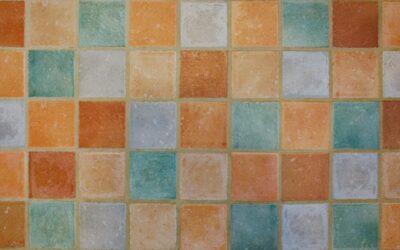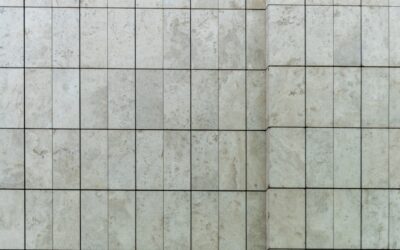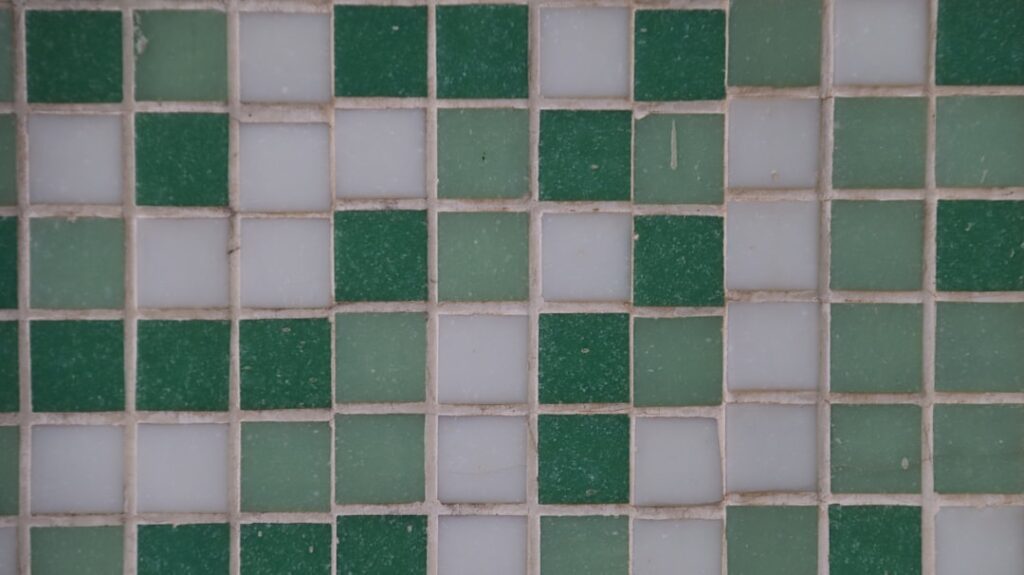
That glossy, easy-to-wipe surface on most kitchen and bathroom tile is not the clay itself, it is the glaze fired onto it. Glazed ceramic tile is the workhorse of residential tile because the glaze gives it a hard, sealed, stain-resistant surface that is simple to clean and available in nearly any color or pattern. Understanding how the glaze affects durability, slip resistance, and where the tile belongs helps you choose the right product for each room.
Part of our Tile & Grout guide — explore the full guide →
This guide covers what the glaze does, the finishes and ratings to look for, where glazed ceramic works best, and how to install and maintain it.
What the Glaze Does
Glaze is a liquid glass coating applied to the clay body and fused to it in a kiln at high temperature. The result is a non-porous surface layer that resists water, stains, and fading. Because the glaze seals the surface, glazed ceramic does not need to be sealed the way natural stone does. The glaze also carries the color and pattern, which is why glazed tile comes in such a vast range of looks, from solid colors to printed marble and wood reproductions.
Glazed Versus Unglazed
The key distinction is that glazed tile has a protective surface coating, while unglazed tile, such as quarry tile or some porcelain, shows the natural color of the clay all the way through. Glazed tile is easier to clean and offers more design variety, but if it chips, the different color of the clay body underneath may show. Unglazed tile hides chips better because the color runs through the body, which is one reason it is favored in some heavy commercial settings.
Finishes and Slip Resistance
Glaze can be finished in several ways, and the finish affects both looks and safety.
- Glossy: Bright and reflective, great for walls and backsplashes, but slippery when wet and prone to showing scratches on floors.
- Matte: Softer sheen, better slip resistance, and more forgiving of scratches and water spots. A safer choice for floors.
- Textured: Adds grip for wet floors and entryways.
For floors, especially in bathrooms and entries, look at the slip resistance rating, often expressed as a coefficient of friction, and lean toward matte or textured finishes in wet areas.
Reading the Ratings
Two ratings guide where you can use a glazed ceramic tile. The PEI rating measures surface wear resistance: lower numbers suit walls and light traffic, while higher numbers handle floors and heavier traffic. The water absorption rating indicates how porous the body is, which matters for wet and freezing conditions. For floors, choose a tile with a PEI rating appropriate to the traffic. Many glazed ceramics are best for walls and moderate-traffic floors, while glazed porcelain handles heavier use and exterior conditions when rated for it.
Where to Use Glazed Ceramic Tile
Its easy-clean surface and design range make it a strong fit for many spots in the home.
- Kitchen backsplashes: Wipeable, grease-resistant, and endlessly customizable.
- Bathroom walls and floors: Moisture-resistant; choose matte or textured finishes for floor slip safety.
- Laundry and mudrooms: Durable and easy to clean.
- Living-area floors: Use a floor-rated tile for traffic resistance.
It is less ideal for outdoor use unless the specific tile is rated for freeze-thaw conditions, where porcelain is usually the better choice.
Installation Basics
A clean, flat substrate is the foundation of a good tile job. Use the appropriate backer board or membrane, and waterproof wet areas before tiling. Set the tile in the correct thinset with the right trowel size, maintain consistent grout-line spacing, and keep the surface flat to avoid lippage. After the thinset cures, grout the joints and, if using cement-based grout, seal the grout lines once cured. Finish exposed edges with a trim profile or bullnose tile for a clean look.
Sizes, Shapes, and Layout Options
Part of glazed ceramic’s appeal is the sheer range of sizes and shapes, which lets you control the look as much as the color does. Classic 3-by-6-inch subway tile remains a backsplash staple, while large-format tiles of 12 inches and up reduce grout lines for a cleaner, more seamless wall or floor. Mosaics, penny rounds, hexagons, and fish-scale shapes add texture and pattern, and many come pre-mounted on mesh sheets for easier installation. The layout you choose shapes the result too: a running bond or offset pattern hides minor size variation and feels relaxed, a stacked grid reads modern and crisp, and a herringbone or chevron layout adds movement and a custom feel. Larger tiles make a small room feel bigger, while smaller tiles and busy patterns suit accents and feature areas. Sketch your layout and dry-lay a section before setting anything in thinset, so you can see where cut tiles will land and adjust the starting point to keep them inconspicuous.
Cleaning and Care
Maintenance is genuinely easy, which is much of glazed ceramic’s appeal. Sweep or vacuum to remove grit, and mop with a pH-neutral cleaner; the glazed surface does not need sealing. Avoid harsh abrasives that could scratch a glossy glaze. The grout, not the tile, is usually what shows dirt first, so clean grout lines periodically and reseal cement grout as needed. With minimal effort, glazed ceramic tile keeps its color and finish for decades, which is exactly why it remains one of the most popular surfaces in the home.
Glazed Ceramic Versus Porcelain
Shoppers often weigh glazed ceramic against porcelain, and understanding the difference guides a smarter choice. Porcelain is a type of ceramic fired at higher temperatures from a denser clay, giving it very low water absorption and high durability, which makes it suitable for heavy floor traffic, wet areas, and even exterior use when rated for it. Standard glazed ceramic is generally a bit softer and more porous, which makes it an excellent and economical choice for walls, backsplashes, and moderate-traffic floors but less ideal for the most demanding applications. Glazed ceramic is usually easier to cut and less expensive, which is why it remains popular for DIY backsplashes and wall projects. The decision comes down to where the tile is going: for a busy entryway floor or a shower floor that takes a beating, porcelain earns its premium, while for a kitchen backsplash or a bathroom wall, glazed ceramic delivers the same easy-clean surface and design range at a friendlier price. Match the material to the demands of the space, and either one performs well for years.
Prefer to explore on your own?
See how new flooring looks in your actual room in seconds — free, no signup.
Try the free Floor Studio →