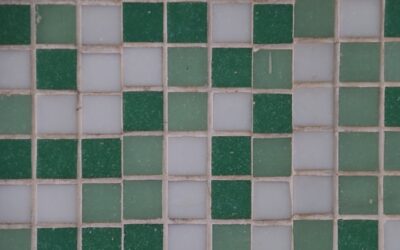
Quarry tile has a reputation as one of the toughest floor tiles you can buy, but the word “glazed” attached to it changes the story in ways that matter. Traditional quarry tile is unglazed, dense fired clay, prized for grip and durability in kitchens and patios. Glazed quarry tile takes that same clay body and adds a coated, fired-on surface, which shifts its look, its maintenance, and its slip behavior. Understanding the difference helps you choose the right tile for the job instead of being surprised by how it performs underfoot.
Part of our Tile & Grout guide — explore the full guide →
What Quarry Tile Actually Is
Despite the name, quarry tile isn’t cut from a quarry. It’s made from natural clay, shale, and feldspar that’s extruded and fired at very high temperatures, producing a dense, hard tile. The traditional product is unglazed, so its earthy red, brown, and gray tones come from the clay itself and run all the way through the tile.
That solid-color body is part of quarry tile’s appeal: chips and wear don’t reveal a different color underneath, which is why it has long been a commercial-kitchen and high-traffic favorite.
Glazed vs Unglazed Quarry Tile
The core difference is the surface coating. Here’s how the two compare:
- Unglazed quarry tile: Raw, matte clay surface with natural slip resistance and color throughout the tile. Porous, so it needs sealing.
- Glazed quarry tile: A glass-like coating fired onto the surface, which adds color options, a slight sheen, and a non-porous top layer that resists stains and water.
In short, glazing trades some of the raw, natural grip for easier cleaning, more color and finish choices, and built-in stain resistance on the surface.
Durability and Wear
Both versions ride on the same dense, durable clay body, so the structural toughness is similar, quarry tile is genuinely hard-wearing either way. The practical difference is at the surface. On unglazed tile, because the color runs through the body, surface wear and minor chips are far less noticeable.
On glazed quarry tile, the glaze is the wear layer. A heavily abraded or chipped glaze can expose the clay beneath, which may contrast with the coated surface. For that reason, choose a glaze rated for the traffic level you expect, and be a little more mindful of dragging heavy, gritty loads across it.
Slip Resistance: An Important Trade-Off
This is the most important practical consideration. Unglazed quarry tile has natural texture and grip, which is exactly why it dominates commercial kitchens and other wet, busy floors. Adding a smooth glaze can reduce that traction, making a glazed tile more slippery when wet.
If you’re tiling a wet or high-traffic area, pay attention to the tile’s slip rating. Many glazed quarry tiles are offered with textured or matte finishes specifically to restore slip resistance, so look for those rather than a high-gloss glaze in any area prone to water. For a kitchen floor, mudroom, or patio, slip resistance should outweigh the appeal of a glossy finish.
Sealing and Maintenance
Maintenance is where glazing earns its keep. Because the glazed surface is non-porous, glazed quarry tile resists staining and is easy to wipe clean without a surface sealer, though you’ll still want to seal the grout lines.
Unglazed quarry tile, by contrast, is porous and absorbs spills, oils, and grease, so it needs a penetrating sealer after installation and periodic resealing to stay stain-resistant. If low maintenance is a priority and the slip rating works for your space, glazed has the edge here.
Best Uses for Glazed Quarry Tile
Match the tile to the room and the conditions:
- Good fits for glazed: dry interior floors, decorative borders, walls, and spaces where easy cleaning and color variety matter and the floor stays mostly dry.
- Lean toward unglazed: commercial kitchens, mudrooms, entryways, patios, and any wet floor where maximum slip resistance is the priority.
- Outdoor use: verify the tile is rated for your climate; freeze-thaw cycles demand a tile and glaze suited to outdoor exposure.
Installation Notes
Quarry tile of either type is installed over a properly prepared, flat substrate with the correct thinset mortar. Because the tiles are dense and durable, they reward careful layout and solid prep. Grout color can dramatically change the look, contrasting grout highlights the tile pattern, while matching grout reads as a seamless field. Seal the grout regardless of which tile you choose, since grout remains porous even when the tile surface is glazed.
Cleaning and Long-Term Care
Day-to-day care is straightforward for both versions, with a few differences worth knowing. For glazed quarry tile, routine cleaning is simply sweeping and damp-mopping with a pH-neutral cleaner; the non-porous surface releases dirt easily and resists stains. Avoid harsh abrasives that could scratch or dull the glaze over time.
Unglazed quarry tile needs the same regular sweeping and mopping, but because it’s porous, you’ll want to keep the penetrating sealer current, reapplying every year or two depending on traffic and the product. A well-sealed unglazed floor resists grease and staining nearly as well as glazed. For both types, clean grout lines periodically and reseal the grout to keep them looking fresh and stain-free, since grout remains the most vulnerable spot on any tiled floor.
Cost and Value Considerations
Quarry tile is generally an affordable, value-driven flooring choice compared with high-end natural stone, and the dense clay body delivers serious longevity for the price. Glazed versions may carry a slight premium for the added surface treatment and color options, but both are economical relative to the decades of service they provide.
When weighing cost, factor in the whole picture: glazed tile saves you the ongoing expense and effort of surface sealing, while unglazed tile’s color-through-the-body construction means it ages gracefully and hides wear in busy spaces. Either way, the durability of the clay body means you’re unlikely to be replacing the floor anytime soon, which is where quarry tile earns its long-standing reputation as a workhorse material.
The Bottom Line
Glazed quarry tile gives you the legendary toughness of quarry’s dense clay body with a coated surface that adds color options, stain resistance, and easy cleaning. The honest trade-off is slip resistance, the smooth glaze can be slicker when wet, so favor textured or matte finishes for any floor that sees water, and lean on unglazed quarry tile where grip is critical. Decide based on where the tile is going: glazed for low-maintenance, mostly dry decorative floors and walls, unglazed for wet, high-traffic, slip-sensitive spaces. Either way, you’re getting one of the most durable tiles on the market.
Prefer to explore on your own?
See how new flooring looks in your actual room in seconds — free, no signup.
Try the free Floor Studio →