
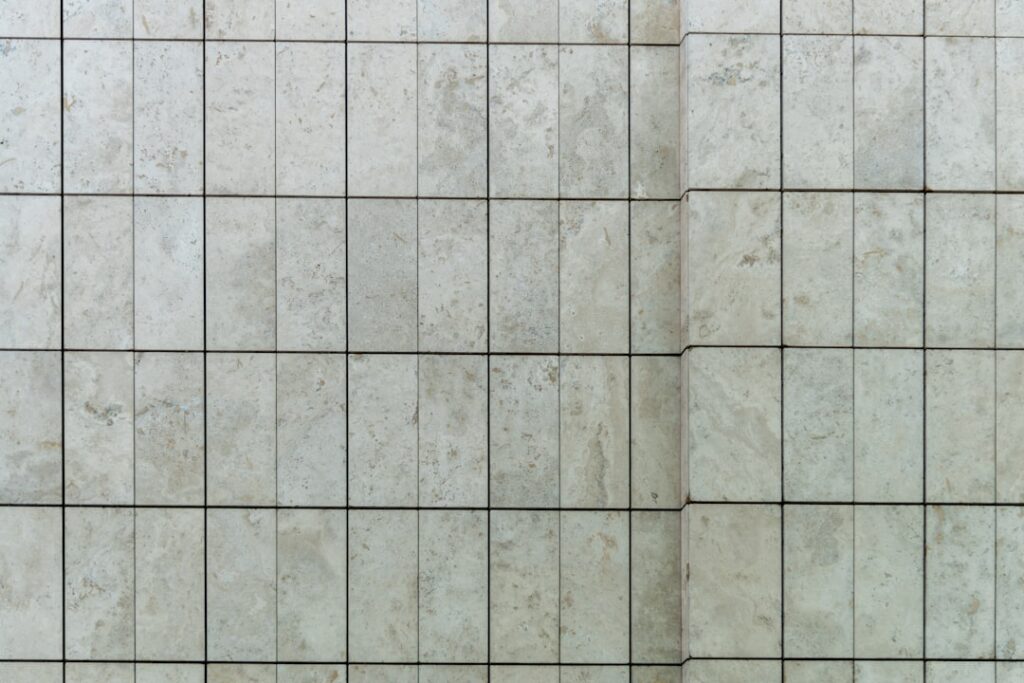
Quarry tile flooring has been a staple in commercial kitchens, restaurants, and entryways for decades, and for good reason. Made from natural clay fired at extremely high temperatures, these unglazed tiles deliver exceptional durability, slip resistance, and a timeless earthy aesthetic that few other flooring materials can match. If you are considering quarry tile for your home or business, this guide covers everything from construction and colors to sealing, installation, and realistic cost expectations.
Part of our Tile & Grout guide — explore the full guide →
Despite the name, quarry tile is not mined from a quarry. The term comes from the French word “carré” meaning square, referring to the tile’s traditional shape. Modern quarry tiles are manufactured from ground shale and clay, extruded into shape, and kiln-fired at temperatures exceeding 2,000 degrees Fahrenheit.
What Makes Quarry Tile Different
Quarry tile stands apart from standard ceramic and porcelain tiles in several important ways. Understanding these differences helps you decide whether it is the right choice for your project.
Unglazed Construction
Unlike most ceramic tiles that have a glossy or matte glaze applied to the surface, quarry tile is left unglazed. The color runs through the entire body of the tile, which means chips and scratches are far less noticeable because there is no surface layer to wear through. This through-body color also contributes to quarry tile’s characteristic natural, rustic appearance.
Density and Hardness
The high firing temperature creates an extremely dense tile with very low porosity. Most quarry tiles have a water absorption rate below 5 percent, placing them in the semi-vitreous to vitreous category. This density translates directly into durability, making quarry tile resistant to heavy foot traffic, impacts, and abrasion.
Natural Slip Resistance
Because the surface is unglazed, quarry tile provides excellent natural traction even when wet. This is the primary reason it has been the go-to choice for commercial kitchens and food service areas where spills are constant. Many quarry tiles meet or exceed ADA slip resistance requirements without any additional treatments.
Colors and Sizes Available
Quarry tile is available in a range of warm, earth-tone colors derived from the natural clay and mineral content. The most common colors include:
- Red and terracotta: The classic quarry tile color, ranging from brick red to warm orange-red
- Brown: From light tan and sandstone to deep chocolate brown
- Gray: Ranging from warm charcoal to cooler blue-gray tones
- Buff and cream: Lighter tones that work well in Mediterranean and Southwestern designs
- Black: Less common but available for dramatic contrast
Standard sizes are typically 6 by 6 inches, 8 by 8 inches, and 6 by 9 inches, though some manufacturers offer 4 by 4, 4 by 8, and 12 by 12 options. Thickness usually ranges from 1/2 inch to 3/4 inch, which is noticeably thicker than standard ceramic tile.
Best Applications for Quarry Tile
Quarry tile excels in specific environments where its unique properties provide clear advantages over other tile flooring options.
Commercial Kitchens and Restaurants
This is where quarry tile truly dominates. Its slip resistance, durability under heavy rolling loads (carts, equipment), resistance to thermal shock from hot spills, and ability to handle aggressive cleaning chemicals make it the industry standard. Health codes in many jurisdictions specifically approve quarry tile for food preparation areas.
Entryways and Mudrooms
The natural traction and through-body color make quarry tile ideal for entry areas where wet shoes and boots are common. Dirt and grit are less visible on the textured surface, and the tile holds up to salt, sand, and moisture without damage.
Outdoor Patios and Walkways
Quarry tile’s low porosity and freeze-thaw resistance (depending on the specific product rating) make it suitable for covered outdoor areas in many climates. Check the manufacturer’s frost resistance rating before using it in areas with harsh winters.
Residential Kitchens and Bathrooms
Homeowners who appreciate a warm, rustic, or Mediterranean aesthetic often choose quarry tile for kitchens and bathrooms. The natural tones pair beautifully with wood cabinetry, stone countertops, and copper or wrought iron fixtures.
Sealing Quarry Tile: Do You Need To?
This is one of the most debated topics around quarry tile flooring. Because the tile is unglazed, it is more porous than glazed ceramic or porcelain, which means it can absorb stains from oil, grease, wine, and other liquids if left unsealed.
When Sealing Is Recommended
- Residential kitchens where cooking oil and food stains are a concern
- Bathrooms and laundry rooms where soap scum and hard water can discolor the surface
- Entryways in regions where road salt is used
- Any area where aesthetic appearance is a priority
When Sealing May Not Be Necessary
- Commercial kitchens that are cleaned daily with industrial degreasers (sealers can actually make these floors more slippery and may break down under harsh chemicals)
- Outdoor areas where natural weathering is acceptable
- Areas where maximum slip resistance is the top priority, since some sealers can reduce traction
Types of Sealers
If you decide to seal your quarry tile, you have two main options. Penetrating sealers soak into the tile body and protect against stains without changing the appearance or texture. They are the preferred choice for most applications. Topical sealers sit on the surface and create a visible sheen, but they can wear unevenly in high-traffic areas and may reduce slip resistance.
Apply a penetrating sealer after installation and grout curing, then reapply every one to three years depending on traffic levels.
Installation Guide
Installing quarry tile is similar to installing standard ceramic tile but with a few important differences due to the tile’s thickness and weight.
Subfloor Requirements
Quarry tile requires a rigid, stable subfloor. On wood-framed floors, install cement backer board (1/4 to 1/2 inch) over the plywood subfloor using thin-set mortar and backer board screws. Concrete slabs should be clean, flat, and free of moisture issues. For deflection-prone floors, consider using an uncoupling membrane to prevent cracked tiles and grout.
Mortar Selection
Use a medium-bed or large-format tile mortar that can accommodate the 1/2 to 3/4 inch tile thickness. Standard thin-set may not provide adequate support for heavier quarry tiles. A polymer-modified mortar offers better adhesion and flexibility.
Layout and Spacing
- Snap chalk lines to find the center of the room and establish your layout grid
- Dry-lay tiles from the center outward to check the pattern and identify where cuts will fall
- Adjust the starting point if necessary to avoid narrow slivers at walls
- Use 3/8-inch grout spacers for standard installations (wider joints are common with quarry tile)
Setting the Tile
- Spread mortar with a 1/2-inch square-notch trowel, covering about 10 square feet at a time
- Back-butter each tile with a thin layer of mortar for full coverage
- Press the tile firmly into the mortar bed with a slight twisting motion
- Check alignment and level frequently
- Allow the mortar to cure for at least 24 hours before grouting
Grouting
Use a sanded grout for the wide joints typical of quarry tile. Unsanded grout is only appropriate for joints narrower than 1/8 inch, which is uncommon with quarry tile. A darker grout color is practical as it hides dirt and staining better than light grout in high-traffic areas.
Durability and Lifespan
When properly installed and maintained, quarry tile flooring can last 50 to 100 years or more. Many historic buildings, restaurants, and subway stations still have original quarry tile floors that are over a century old and still performing well.
The tile itself is nearly indestructible under normal use. The most common maintenance issues involve grout deterioration and staining rather than tile failure. Regrouting every 10 to 20 years keeps the floor structurally sound and looking fresh.
Pros and Cons of Quarry Tile Flooring
Advantages
- Exceptional durability and longevity (50 to 100+ years)
- Natural slip resistance when wet
- Through-body color hides chips and wear
- Heat and thermal shock resistant
- Low maintenance requirements
- Made from natural, sustainable materials
- Timeless aesthetic that does not go out of style
- Affordable compared to natural stone
Disadvantages
- Hard and cold underfoot (uncomfortable for extended standing)
- Heavy, which limits use on upper floors without structural verification
- Requires sealing to resist staining in residential settings
- Limited color and design options compared to glazed ceramic or porcelain
- Grout lines require regular maintenance
- Can be slippery when oily (though generally has good wet traction)
- Professional installation recommended due to weight and thickness
Quarry Tile vs Other Flooring Options
Comparing quarry tile to alternatives helps you understand where it fits in the broader landscape of flooring choices.
Quarry tile vs porcelain: Porcelain offers more design variety and lower porosity, but quarry tile provides better natural slip resistance and a more authentic rustic look. Porcelain is lighter and easier to cut.
Quarry tile vs natural stone: Both offer natural beauty, but quarry tile is more uniform in thickness and significantly less expensive. Natural stone provides unique veining and character that quarry tile cannot replicate.
Quarry tile vs concrete flooring: Concrete is seamless and can be stained in any color, but quarry tile provides a warmer appearance and easier spot-repair capability. Both are extremely durable.
Pricing Guide
Quarry tile is one of the more affordable tile options, though installation costs can be higher due to the tile’s weight and thickness.
- Tile material: $2 to $6 per square foot
- Mortar and grout: $0.50 to $1.50 per square foot
- Backer board: $0.50 to $1.00 per square foot
- Sealer: $0.15 to $0.50 per square foot
- Professional installation labor: $5 to $10 per square foot
- Total installed cost: $8 to $19 per square foot
Budget-conscious homeowners can save significantly by installing quarry tile themselves, bringing the total material cost to roughly $3 to $9 per square foot.
Maintenance Tips
- Sweep or vacuum daily in high-traffic areas to remove abrasive grit
- Mop weekly with warm water and a pH-neutral tile cleaner
- Address spills promptly, especially oil and acidic liquids
- Reapply penetrating sealer every one to three years
- Inspect and repair grout annually
- Avoid wax-based cleaners that build up and attract dirt
Final Thoughts
Quarry tile flooring is a proven performer that has earned its reputation in demanding commercial environments and charming residential spaces alike. Its combination of natural beauty, exceptional durability, and inherent slip resistance makes it a smart investment for kitchens, entryways, and any area where toughness matters. While it requires proper sealing in residential applications and professional installation for the best results, the payoff is a floor that can easily outlast the building it is installed in.
Prefer to explore on your own?
See how new flooring looks in your actual room in seconds — free, no signup.
Try the free Floor Studio →

