Walk into a busy commercial kitchen, a hotel lobby, or an outdoor patio and there’s a good chance you’re standing on unglazed porcelain. This is the workhorse of the tile world: dense, fired at temperatures above 2,200°F, and colored all the way through the body rather than coated with a surface glaze. For homeowners weighing durability against maintenance, understanding what unglazed porcelain actually is helps you decide whether it belongs in your entryway, mudroom, or shower floor.
Unlike its glossy glazed cousin, this tile wears its material honestly. The color you see on the surface runs through the entire thickness, so chips and scratches stay nearly invisible. That single trait changes how the tile performs over a decade of foot traffic, and it explains why designers reach for it in the spaces that take the most abuse.
What Makes Porcelain “Unglazed”
All porcelain starts as a fine clay mixture pressed under enormous pressure and fired until it vitrifies into a glass-hard body with a water absorption rate below 0.5 percent. Glazed tile then receives a liquid-glass coating that’s fired on top, creating the color, pattern, and sheen you see. Unglazed tile skips that coating entirely.
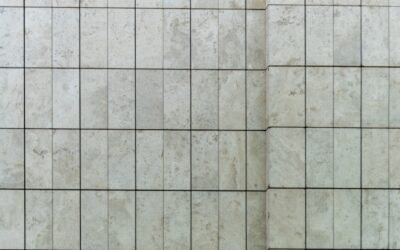
The result is a matte, slightly textured surface whose appearance comes from the pigments and minerals blended into the clay itself. Common finishes include:
- Natural — a raw, factory finish with a fine grip and low sheen
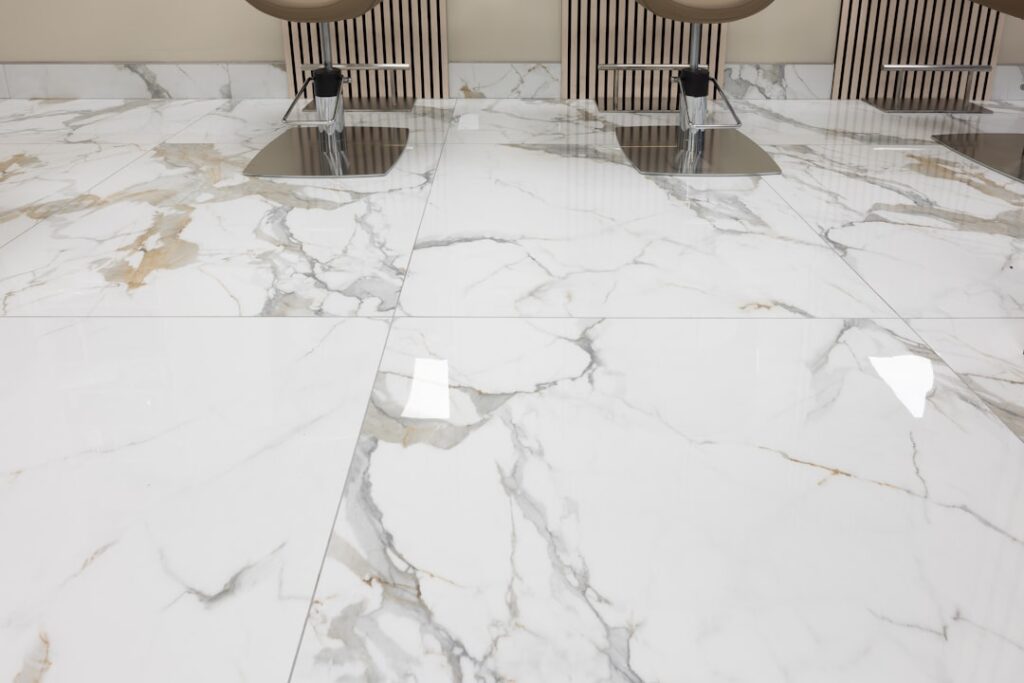
- Polished — mechanically ground smooth for a subtle luster without any glaze
- Textured or structured — deliberately roughened for maximum traction outdoors
Because there’s no glaze layer to wear off, the tile can’t develop the tell-tale worn path that glazed tile shows in high-traffic lanes after years of use.
The Big Advantage: Through-Body Color
Through-body construction is the headline feature. If a heavy pan drops and chips the edge of a glazed tile, you see a white or beige clay scar against the colored surface. Chip an unglazed tile and the exposed material matches, so the damage practically disappears. This makes unglazed porcelain a smart pick for garages, workshops, and commercial-grade residential kitchens where impacts are routine.
Full-body tiles also handle grinding and honing well. A contractor can refinish or repolish the surface after years of wear without stripping away color, something impossible with a thin glaze. That longevity is why you’ll find these tiles rated for 15 to 25 years or more in demanding installations.
How Unglazed Compares to Glazed Day to Day
Living with each type reveals differences a showroom won’t. Glazed porcelain wipes clean like a dinner plate because its glass coating is non-porous, so a splash of tomato sauce sits on top until you swipe it away. Unglazed tile asks for a bit more diligence, but rewards you with grip you can feel barefoot and a surface that never looks worn in the walking lanes.
Consider how each ages under real conditions. In a busy hallway, glazed tile eventually shows a dull, scuffed path where feet travel most, and once the glaze abrades, refinishing isn’t practical. Unglazed porcelain simply keeps its uniform matte character, and if it ever looks tired, a professional can hone the surface back to fresh. For homeowners planning to stay put for a decade or more, that repairability is a quiet but real advantage.
Slip Resistance and Where It Shines
Traction is the second reason people choose this tile. The naturally matte, mineral-rich surface delivers a higher coefficient of friction than a smooth glaze, especially when wet. Look for a dynamic coefficient of friction (DCOF) rating of 0.42 or higher, which is the standard threshold for wet-area safety in the United States.
That grip makes unglazed porcelain a natural fit for:
- Shower floors and bathroom wet zones
- Entryways, mudrooms, and covered porches
- Pool surrounds and outdoor patios rated for freeze-thaw cycles
- Laundry rooms and basement floors prone to occasional moisture
Small-format mosaics amplify the effect: more grout lines per square foot means more traction underfoot, which is why 2-inch hexagon and penny-round unglazed mosaics dominate shower pans.
The Trade-Off: Sealing and Stains
The same porosity that adds grip also makes the surface more absorbent than glass-smooth glaze. While the porcelain body itself barely absorbs water, the micro-textured surface can trap dirt, coffee, wine, and grease if left unsealed. That’s the main maintenance difference homeowners need to plan for.
Most professionals apply a penetrating sealer after installation and reapply every one to three years depending on traffic. A quick test tells you when it’s time: drop a few beads of water on the tile and if they soak in within a couple of minutes rather than beading up, the sealer has worn thin. Sealing takes an hour for a typical bathroom and costs $20 to $40 in product, so it’s a minor chore rather than a dealbreaker.
For kitchens and dining areas where spills are constant, a color-matched, factory-sealed line or a glazed porcelain may ultimately be lower maintenance. Weigh how much scrubbing you’re willing to do against the safety and durability payoff.
Cost and Value Comparison
Pricing runs roughly $2 to $8 per square foot for standard unglazed porcelain, with designer and large-format slabs climbing to $15 or more. That’s comparable to mid-grade glazed porcelain and generally cheaper than natural stone like slate or travertine, which also demands sealing but costs $10 to $30 per square foot installed.
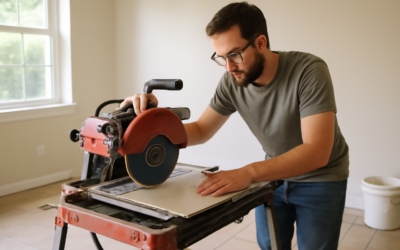
Installation adds $5 to $12 per square foot in labor, and dense porcelain requires diamond blades and often a rated thin-set, so budget for a professional unless you own the right tools. Here’s how the categories stack up:
- Unglazed porcelain — best durability and slip resistance, requires sealing, hides chips
- Glazed porcelain — stain-proof surface, easy cleaning, shows chips as light scars
- Ceramic — lower cost, softer body, higher water absorption, indoor only
- Natural stone — premium look, higher cost, more sealing and etching concerns
Over a 20-year horizon, the low replacement rate often makes this tile the better value in spaces that see heavy use.
Cleaning and Everyday Maintenance
Day-to-day care is refreshingly simple once the tile is sealed. Sweep or vacuum grit that would otherwise act like sandpaper, then damp-mop with a pH-neutral cleaner. Avoid oil-based soaps and waxes, which build a film that dulls the natural finish and traps dirt in the texture.
For ground-in grime in the surface texture, a soft nylon brush and a mild alkaline cleaner cut through without harming the porcelain. Skip harsh acids like undiluted vinegar on the grout lines over time, and always rinse thoroughly so cleaner residue doesn’t leave a haze. Seal the grout along with the tile for a truly low-maintenance floor.
Is Unglazed Porcelain Right for Your Home
Choose it when safety, longevity, and a natural matte look matter most, and when you’re comfortable with a periodic sealing routine. It’s the standout choice for showers, entries, patios, and hardworking utility spaces. If you want a zero-sealing, wipe-clean surface for a formal kitchen or want high-gloss drama, glazed porcelain may serve you better.
Before you commit, order a few full-size samples and live with them in the actual room for a week. Set them where light hits at different times of day, pour water on them to test grip, and see how the color reads against your cabinets and paint. A tile that performs beautifully and still looks right in your space is the one worth installing, and for many homeowners unglazed porcelain checks both boxes.
Prefer to explore on your own?
See how new flooring looks in your actual room in seconds — free, no signup.
Try the free Floor Studio →