The word “porcelain” gets stamped on everything from $1.50 builder-grade squares to $25 designer slabs, which means it tells you almost nothing about quality on its own. Premium porcelain is a real category, and the differences from budget tile are measurable: denser bodies, lower water absorption, harder wear ratings, and edges precise enough to lay with grout lines barely wider than a credit card. Understanding what actually makes porcelain “premium” keeps you from overpaying for marketing while still getting tile that performs for decades.
Part of our Tile & Grout guide — explore the full guide →
- What Makes Porcelain Different From Ceramic
- The Specs That Define Premium Porcelain
- Rectified Edges and Why They Matter
- Through-Body vs. Glazed
- Large-Format and Porcelain Slabs
- What Premium Porcelain Costs
- Realistic Looks: Wood, Stone, and Concrete
- Where Premium Porcelain Pays Off Most
- Care That Keeps It Looking New
- The Bottom Line
What Makes Porcelain Different From Ceramic
All porcelain is technically ceramic, but it’s fired hotter, around 2,200 to 2,500°F, and pressed from finer, denser clay. The result is a tile that absorbs less than 0.5% of its weight in water, the official threshold that lets a tile be called porcelain. That density is why porcelain works outdoors, in showers, and in freeze-thaw climates where ordinary ceramic would crack. It’s harder, less porous, and more dimensionally stable.
The Specs That Define Premium Porcelain
Ignore the showroom adjectives and read the spec sheet. Four numbers separate premium tile from filler:
- PEI rating: a 1-to-5 scale of surface wear resistance. For residential floors, look for PEI 4 or 5. PEI 3 is fine for light-traffic rooms; anything lower belongs on walls only.
- Water absorption: true porcelain is at or below 0.5%. Premium lines often test well under that, which matters for showers and exteriors.
- Breaking strength / MOR: higher modulus of rupture means the tile resists cracking under load, important for large-format pieces and floors over slabs.
- Slip resistance (DCOF): a coefficient of 0.42 or higher is the standard for wet-area and floor safety.
A tile that hits PEI 5, sub-0.5% absorption, and a 0.42+ DCOF is genuinely premium regardless of how the box is branded.
Rectified Edges and Why They Matter
Here’s a detail that instantly separates premium from budget: rectified edges. After firing, premium tiles are mechanically ground so every piece is exactly the same size with perfectly square, crisp edges. That precision lets installers run grout lines as tight as 1/16 to 1/8 inch, which is what creates that seamless, modern look. Non-rectified “pressed edge” tiles vary slightly in size and need wider grout joints to hide the difference. If you want the contemporary, near-grout-free aesthetic, rectified edges are non-negotiable.
Through-Body vs. Glazed
Premium porcelain comes in two main constructions, and the difference shows up the day a tile chips:
- Through-body (full-body) porcelain has consistent color and material all the way through. A chip is far less visible because the same color sits underneath the surface. Best for heavy commercial-style traffic.
- Glazed porcelain carries its color and pattern in a surface glaze over a neutral body. Modern inkjet glazing produces stunning, realistic stone and wood looks, but a deep chip can expose the lighter body beneath.
For most homes, high-quality glazed porcelain delivers the best looks; through-body is worth the premium in entryways, mudrooms, and commercial settings.
Large-Format and Porcelain Slabs
One of the biggest moves in premium porcelain is size. Where 12×12 was once standard, premium lines now run 24×48 tiles and full slabs up to roughly 5×10 feet. Bigger pieces mean fewer grout lines and a more expansive look, but they demand a perfectly flat substrate, large-format mortar, and an installer comfortable with the weight and special tools. Slabs in particular are increasingly used for countertops, shower walls, and feature walls because they’re heat-proof, scratch-resistant, and don’t need sealing the way natural stone does.
What Premium Porcelain Costs
Expect a real spread. Quality glazed porcelain floor tile typically runs $5 to $12 per square foot for the material, premium large-format and designer collections push $12 to $25, and full porcelain slabs for countertops can run $25 to $60 or more per square foot installed. Installation adds roughly $7 to $15 per square foot for standard work, more for large-format, intricate patterns, or slab fabrication. The premium pays off in longevity: good porcelain routinely lasts 50 years or more with minimal maintenance.
Realistic Looks: Wood, Stone, and Concrete
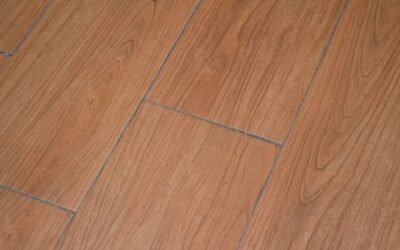
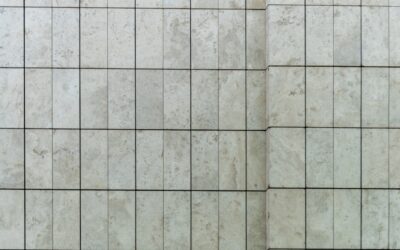
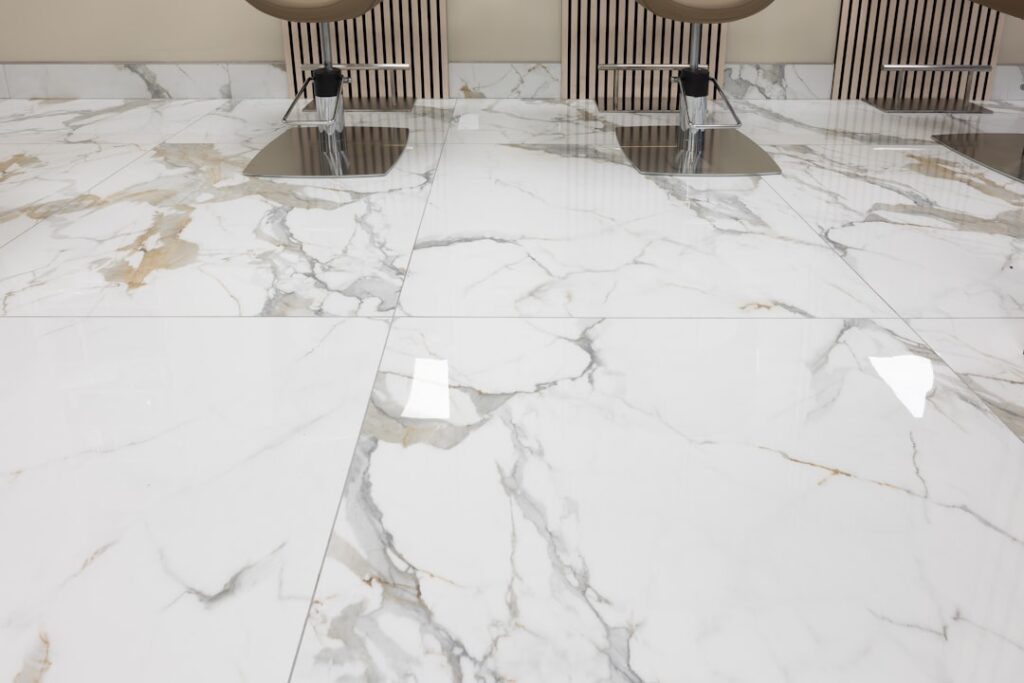
One reason premium porcelain has taken over is how convincingly it imitates other materials, without their drawbacks. Wood-look porcelain planks give you the warmth of hardwood in a waterproof, scratch-proof surface that works in bathrooms and basements where real wood can’t go. Marble-look porcelain delivers the drama of Calacatta or Carrara with none of the etching, staining, or sealing. Concrete-look and travertine-look tiles bring industrial or rustic character with zero maintenance. The trick to a believable install is variation: premium lines print many different faces so the pattern doesn’t obviously repeat. Cheaper tiles use only a handful of faces, and the repetition gives them away across a large floor.
Where Premium Porcelain Pays Off Most
Spending up on porcelain makes the most sense in specific places. High-traffic entryways, mudrooms, and kitchens benefit from the wear resistance and easy cleanup. Bathrooms and laundry rooms take advantage of its waterproof nature. Outdoor patios and pool surrounds rely on its freeze-thaw stability and slip-rated finishes. Heated-floor installations pair well with porcelain because it conducts and holds warmth efficiently. In a low-traffic guest bedroom, by contrast, you may not need a PEI 5 commercial-grade tile, so match the spec to the demand and put your budget where the abuse actually happens.
Care That Keeps It Looking New
Porcelain is one of the lowest-maintenance surfaces in the house. Sweep or vacuum grit so it doesn’t dull the surface over time, and damp-mop with a pH-neutral cleaner. Skip waxes and oil-based “shine” products; they build up and trap dirt. The grout, not the tile, is the weak point, so seal cement-based grout or specify epoxy grout in wet areas to keep it from staining and harboring grime.
The Bottom Line
Premium porcelain earns its name through the spec sheet, not the showroom display. Look for PEI 4 to 5, water absorption at or below 0.5%, a DCOF of 0.42 or higher, and rectified edges if you want tight, modern grout lines. Pay for through-body construction in high-abuse zones and large-format pieces where the look justifies the install cost. Get those fundamentals right and you’ll have flooring that outlasts nearly everything else in the house with almost no upkeep.
Prefer to explore on your own?
See how new flooring looks in your actual room in seconds — free, no signup.
Try the free Floor Studio →