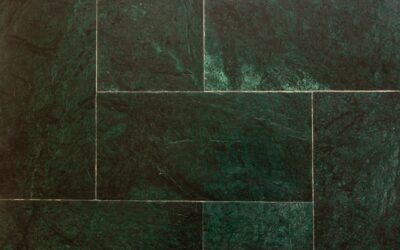
Unglazed porcelain tile is the workhorse of the tile world, prized for its dense body, natural slip resistance, and color that runs completely through the tile rather than sitting on a surface glaze. Because there is no glassy top coating, the finish you see is the raw fired clay itself, which means chips and scratches are far less visible than on glazed tile.
This combination of toughness and understated looks makes it a favorite for high-traffic entryways, commercial spaces, patios, and busy family homes. In this guide you will learn how unglazed porcelain differs from glazed options, where it performs best, what it costs, and how to keep it looking sharp for decades.
Glazed Versus Unglazed: The Core Difference
Every porcelain tile starts as finely ground clay fired at extreme temperatures, around 2,200°F, which produces an exceptionally dense, low-absorption body. The difference comes down to whether a liquid glass coating, the glaze, is applied before that final firing.
Glazed tile gets a colored, often glossy surface layer that carries the pattern and protects against stains. Unglazed tile skips that step, so the color and texture come from the clay body and any pigments blended into it. If a glazed tile chips, you see a different color underneath; if an unglazed tile chips, the color is consistent top to bottom, making damage nearly invisible. The tradeoff is that the raw surface is more porous and typically needs sealing to resist stains.
Key Benefits of Going Unglazed
The appeal here is durability paired with safety. The matte, slightly textured surface grips underfoot even when wet, which is a major reason it shows up around pools, in commercial kitchens, and on exterior patios.
Homeowners choose this tile for several practical reasons:
- Superior slip resistance: the unglazed texture beats glossy tile in wet zones
- Through-body color: scratches and chips hide instead of standing out
- Extreme hardness: resists wear from heavy foot traffic and rolling loads
- Frost resistance: low water absorption lets it survive freeze-thaw cycles outdoors
- Fade resistance: natural clay tones hold up under sunlight
Look for a water absorption rating at or below 0.5 percent, the threshold that officially qualifies a tile as porcelain, and a PEI rating of 4 or 5 for the heaviest-traffic floors.
Best Applications Around the Home
This tile earns its keep wherever durability and traction matter most. Entryways and mudrooms take a beating from shoes, grit, and moisture, and unglazed porcelain shrugs it off. Kitchens benefit from the scratch resistance, and the textured surface reduces slips near sinks.
Outdoor and utility spaces are natural fits:
- Patios, porches, and pool decks in freeze-prone climates
- Garage floors and workshops that see heavy loads
- Commercial lobbies, restaurants, and retail floors
- Basements and laundry rooms where moisture is a concern
For shower floors, small unglazed mosaic hexes or squares give excellent grip. The main spot where glazed tile may edge it out is a formal, glossy interior where a polished sheen and easy stain resistance are the priority over traction.
Costs and What to Expect
Unglazed porcelain generally costs a bit less than decorative glazed porcelain because it skips the glazing and printing steps. Expect basic field tile to run $2 to $7 per square foot, with mid-range and larger-format options landing around $7 to $12. Specialty finishes and imported lines can reach $15 or more.
Installation typically adds $5 to $12 per square foot in labor, though porcelain’s hardness means it demands quality diamond blades and can take longer to cut than softer ceramic. Budget an extra 10 to 15 percent of material for cuts and future repairs, and buy from a single lot number so color stays consistent across the whole floor.
Installation Considerations
Because porcelain is so dense and its unglazed body less porous than ceramic, bonding requires the right materials. Use a polymer-modified thinset rated for porcelain, and for large-format tiles, back-butter each piece to ensure full mortar coverage and prevent hollow spots or lippage.
- Confirm the substrate is flat within 1/8 inch over 10 feet; porcelain is unforgiving of dips.
- Cut with a wet saw fitted with a porcelain-rated diamond blade.
- Spread modified thinset with a notched trowel matched to tile size.
- Back-butter large tiles and press firmly to collapse the ridges.
- Use tile leveling clips on big-format pieces to keep edges flush.
- Allow full cure before grouting, then seal as needed.
The hardness that makes this tile so durable also makes it the toughest to cut, so plan for extra time and expect to burn through more blades on a large job than you would with ceramic.
Sealing and Maintenance
Sealing is the one area where unglazed porcelain asks for a bit more attention than its glazed cousin. Because the surface has no glass coating, it is more absorbent and can soak up spills, so most manufacturers recommend applying a penetrating sealer after installation and again periodically.
That said, true porcelain has such low absorption that many dense unglazed tiles need only light sealing, and some polished versions require none at all beyond grout sealing. Always test a small area first. For everyday care, sweep regularly to remove grit that can dull the surface, and mop with a pH-neutral cleaner. Avoid waxes and oil-based products that leave residue in the textured surface.
Is Unglazed Porcelain Right for You?
If your priority is a floor that survives heavy traffic, resists slips, and hides wear over decades, unglazed porcelain is hard to beat. It rewards homeowners who value performance and a natural, matte aesthetic over high-gloss shine and zero maintenance.
The main considerations are the sealing step, the tougher cutting during installation, and a more muted color palette than glazed tile offers. Weigh those against a surface that can handle a garage, a patio, a restaurant lobby, or a busy family entryway with equal ease. For anyone who wants long-term durability and safety without sacrificing a clean, earthy look, unglazed porcelain tile remains one of the most dependable flooring investments you can make.
Finishes and Slip Ratings to Compare
Even without a glaze, unglazed porcelain comes in several surface finishes that change both looks and safety. A natural matte finish is the most common and offers a good balance of traction and cleanability. Textured or structured surfaces add extra grip for ramps, pool decks, and exterior stairs, while honed and polished unglazed tiles trade some slip resistance for a smoother, more refined appearance.
Pay attention to slip-resistance ratings when safety matters. The dynamic coefficient of friction, or DCOF, measures how much traction a tile provides when wet, and a rating of 0.42 or higher is the widely accepted benchmark for floors that may get wet. For outdoor and commercial jobs, ask the supplier for the DCOF value rather than guessing from the look alone, since two matte tiles can perform very differently underfoot.
Comparing It to Other Flooring
Stacked against natural stone, unglazed porcelain wins on price and maintenance while closely mimicking the look of slate, limestone, or concrete. Stone needs regular sealing and is prone to etching from acids, whereas dense porcelain shrugs off most of that. Compared to ceramic, the porcelain body is harder, less absorbent, and far better suited to outdoor and freeze-prone use.
Against vinyl or laminate, porcelain costs more up front and is colder and harder underfoot, but it lasts several times longer and never delaminates from moisture. For a lifetime floor in a demanding space, that durability usually justifies the higher initial investment.
Prefer to explore on your own?
See how new flooring looks in your actual room in seconds — free, no signup.
Try the free Floor Studio →