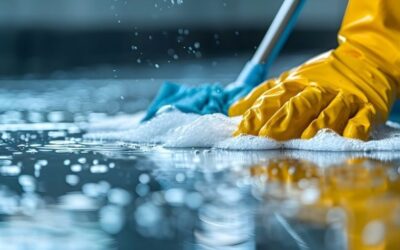
Grab the wrong bottle from under the sink and you can etch a marble floor or leave a hazy film on porcelain that no amount of rinsing removes. Deciding what to use to clean tile floors starts with one question: what kind of tile do you have? Ceramic and porcelain are tough and forgiving, while natural stone is chemically sensitive and demands a completely different approach. Match the cleaner to the material and tile stays beautiful for decades; mismatch them and you cause damage that is expensive to reverse.
Part of our Tile & Grout guide — explore the full guide →
- Ceramic and Porcelain: The Durable Workhorses
- Natural Stone: Handle With Care
- Why pH-Neutral Matters
- Cleaning the Grout Lines
- What to Avoid on Any Tile Floor
- Tools That Make the Job Easier
- A Simple Weekly Cleaning Routine
- Tackling Tough Stains and Buildup
- Homemade Versus Store-Bought Cleaners
- The Bottom Line
Ceramic and Porcelain: The Durable Workhorses
Ceramic and porcelain are fired, glazed, and highly resistant to moisture and chemicals, which makes them the easiest tile to clean. For routine cleaning, a bucket of warm water with a splash of pH-neutral cleaner or a little mild dish soap handles most dirt.
Keep these habits for the best results:
- Sweep or vacuum first to remove grit that can scratch the glaze over time.
- Mop with warm water and a pH-neutral cleaner, wringing the mop well.
- Change the water when it turns gray to avoid smearing dirt around.
- Dry-buff with a soft cloth or microfiber to prevent water spots and film.
For a stubborn film or soap scum on porcelain, a diluted vinegar solution is safe on glazed ceramic and porcelain, though you should still rinse afterward. Reserve that trick for these hard surfaces only.
Natural Stone: Handle With Care
Marble, travertine, limestone, slate, and granite are natural stone, and the rules flip entirely. Many of these stones are calcium-based and react with acids, so the vinegar that safely cleans ceramic will etch and dull stone on contact.
The critical rule: never use vinegar, lemon, or any acidic cleaner on natural stone. Instead, use a cleaner specifically labeled as stone-safe or pH-neutral. These formulas lift dirt without reacting with the mineral surface. For daily care, warm water with a dedicated stone soap keeps the finish intact, and sealing the stone periodically adds a protective barrier against stains.
Why pH-Neutral Matters
The phrase pH-neutral comes up constantly for good reason. Acidic cleaners, below 7 on the pH scale, etch stone and can degrade grout. Strongly alkaline cleaners, well above 7, can strip sealers and leave residue. A pH-neutral cleaner, right around 7, cleans effectively without attacking either the tile or the grout.
When in doubt about any tile, a pH-neutral cleaner is the safe universal choice. It works on ceramic, porcelain, and natural stone alike, which is why keeping a bottle on hand simplifies the whole decision.
Cleaning the Grout Lines
Grout is porous and sits slightly recessed, so it collects dirt and darkens faster than the tile around it. Bringing grout back to life makes the whole floor look freshly cleaned.
For grout on ceramic and porcelain floors:
- Make a paste of baking soda and water and work it into the grout lines with an old toothbrush or grout brush.
- For tougher stains, add hydrogen peroxide or use an oxygen bleach solution.
- Let it dwell for several minutes, scrub, then rinse thoroughly.
- Seal the grout once or twice a year to keep dirt from soaking in.
On natural stone, skip the harsh acids and peroxide near the stone and stick to a stone-safe grout cleaner, since aggressive products can damage the surrounding tile.
What to Avoid on Any Tile Floor
A few common mistakes cause the most damage. Steer clear of these regardless of tile type:
- Harsh abrasive scrubbers and powders that scratch glazes and polish.
- Oil-based or wax cleaners that leave a slippery, dull residue on tile.
- Steam mops on natural stone, where heat and moisture can harm the stone and its sealer.
- Bleach and ammonia mixed together, which create dangerous fumes.
- Excess water, which seeps into grout and, on stone, into the porous surface.
Tools That Make the Job Easier
The right equipment saves effort and protects the finish. A microfiber flat mop cleans without pushing dirty water into grout, and a soft-bristle broom or a vacuum with a hard-floor setting clears grit before mopping. A grout brush reaches the recessed lines, and two buckets, one for cleaning solution and one for rinsing, keep you from redepositing dirt. For large floors, a spin mop with a good wringer lets you control moisture, which matters most on stone.
A Simple Weekly Cleaning Routine
Consistency beats deep-scrubbing marathons. A light weekly routine keeps tile from ever reaching the grimy stage that requires harsh chemicals. Build the habit around a few quick steps.
- Dry sweep or vacuum every few days to keep abrasive grit off the surface.
- Damp-mop weekly with warm water and a pH-neutral cleaner.
- Spot-treat spills immediately, especially on grout and natural stone.
- Buff dry high-traffic areas to prevent water spots and streaking.
Adjust the frequency to your household. A busy entryway or a kitchen with kids and pets needs more attention than a guest bath, but the gentle, pH-neutral approach stays the same across the home.
Tackling Tough Stains and Buildup
Even with regular care, tile occasionally faces stubborn messes. The fix depends on both the mess and the tile. Soap scum and hard-water film on glazed ceramic and porcelain respond to a diluted vinegar solution followed by a thorough rinse. Grease near the stove lifts with a degreasing dish soap and warm water.
For natural stone, resist the urge to reach for those same acidic remedies. Use a poultice made for stone to draw out set-in stains, and call in a professional for etching or deep discoloration rather than experimenting with harsh chemicals. When mold or mildew appears in damp bathroom grout, an oxygen-bleach paste on ceramic and porcelain clears it without the fumes and fabric risk of chlorine bleach.
Homemade Versus Store-Bought Cleaners
You do not always need a commercial product, but you should know when each makes sense. For ceramic and porcelain, a simple mix of warm water with a few drops of mild dish soap, or a diluted vinegar solution for hard-water film, handles routine cleaning cheaply and effectively.
Store-bought cleaners earn their place in a few cases. Natural stone genuinely benefits from a dedicated stone-safe formula that homemade mixes cannot safely replicate. A no-rinse pH-neutral tile cleaner also saves time on large floors and guarantees you are not leaving residue. Whichever route you take, avoid combining products, and never assume a general-purpose cleaner is safe on stone without checking the label.
The Bottom Line
Deciding what to use to clean tile floors always comes back to identifying the material first. Ceramic and porcelain tolerate mild dish soap, diluted vinegar, and a range of cleaners, while natural stone demands pH-neutral, stone-safe products and a strict no-acid rule. Sweep before you mop, keep grout sealed and scrubbed, avoid abrasives and excess water, and your tile floors will look as good in ten years as they do today.
Prefer to explore on your own?
See how new flooring looks in your actual room in seconds — free, no signup.
Try the free Floor Studio →