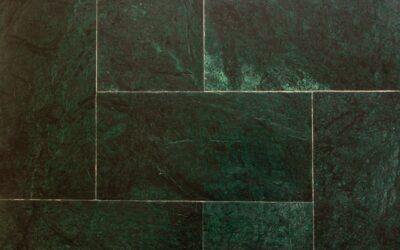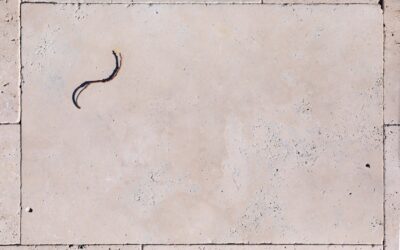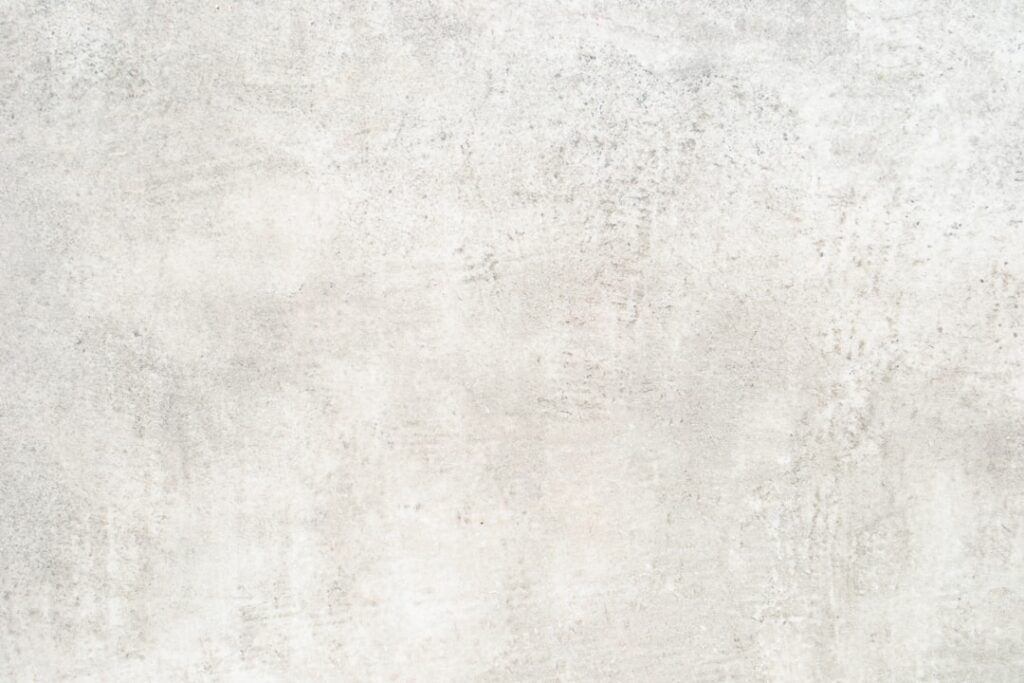
If you love the warm, earthy character of natural stone but worry about its upkeep, travertine look porcelain tile offers a compelling middle ground. Modern printing and texturing technology lets manufacturers reproduce the soft beige tones, subtle veining, and pitted surface of real travertine on a porcelain body that is far tougher and easier to live with.
Part of our Tile & Grout guide — explore the full guide →
This guide covers how the look is achieved, the practical advantages over quarried stone, the finishes available, realistic cost ranges, and the rooms where this tile performs best so you can decide if it belongs in your home.
What Makes It Look Like Travertine
Real travertine is a form of limestone deposited by mineral springs, prized for its creamy ivory, walnut, and silver tones along with its naturally porous, weathered texture. High-definition porcelain tile captures that aesthetic using digital inkjet printing that layers realistic color variation across each piece, so no two tiles look identical, just like the stone itself.
The best products go beyond the visual. Surface texturing adds the gentle dips and matte feel of honed travertine, and quality lines include many distinct face designs to avoid an obvious repeating pattern. Viewed and walked on, a well-made travertine look porcelain tile is convincing even to a trained eye.
Why Choose Porcelain Over Real Stone
Natural travertine is beautiful but demanding. It is soft, porous, and reactive to acids, which means etching from citrus or wine, staining from spills, and frequent sealing. Porcelain sidesteps nearly all of that while keeping the look.
- Durability: Porcelain is dense and hard, resisting chips, scratches, and heavy foot traffic far better than soft limestone.
- Low maintenance: It does not require sealing the way stone does, and it shrugs off acidic spills that would etch real travertine.
- Water resistance: With very low porosity, porcelain handles bathrooms, kitchens, and even outdoor use in many climates.
- Consistency: You get the natural variation you want without the surprises of stone defects, color lots, or fragile pieces.
- Value: It typically costs less than genuine travertine once installation and sealing are factored in.
Finishes and Formats
This tile comes in several finishes that change both appearance and function. A matte or honed finish mimics traditional travertine most closely and offers good slip resistance, making it the popular all-purpose choice. Polished versions add shine for a more formal, luxurious feel but can be slick when wet. Textured or structured finishes are designed for outdoor patios and wet areas where grip matters most.
Formats are equally flexible. Large-format tiles such as 12 by 24 inches or larger create a clean, expansive look with fewer grout lines, while classic squares and modular Versailles patterns echo old-world stone layouts. Some collections also offer matching wall tiles and mosaics so you can carry the look from floor to shower niche.
Realistic Cost Expectations
Pricing varies with quality, size, and brand, but as a general guide, travertine look porcelain tile commonly runs from about 3 to 8 dollars per square foot for the material, with premium large-format or rectified lines reaching 10 dollars or more. Professional installation usually adds roughly 5 to 12 dollars per square foot depending on your region, subfloor prep, and pattern complexity.
Compared with natural travertine, which often costs more for both material and ongoing sealing, porcelain tends to deliver a lower total cost of ownership. Treat any figures here as estimates and gather local quotes, since labor rates and product availability differ widely by area.
Where It Works Best
Few flooring materials are as adaptable. Because porcelain is waterproof and durable, it suits high-moisture and high-traffic spaces that would challenge real stone.
- Bathrooms: Excellent for floors, shower walls, and surrounds thanks to water resistance.
- Kitchens: Handles spills, dropped pans, and heavy foot traffic without etching or staining.
- Living areas and entryways: Brings warm, neutral stone character to main living spaces.
- Outdoor patios: Textured, frost-rated versions work for porches and pool decks in suitable climates.
Pair it with radiant floor heating to counter the natural coolness of tile underfoot, a popular upgrade in bathrooms and kitchens.
Installation and Care Tips
Proper installation matters as much as the tile itself. Start with a flat, structurally sound subfloor, since large-format pieces telegraph dips and high spots. Many installers use a leveling clip system to prevent lippage, where one tile edge sits higher than its neighbor. Choosing a grout color close to the tile’s base tone keeps the natural, stone-like flow rather than a busy grid.
Day-to-day care is refreshingly simple. Sweep or vacuum to remove grit, and damp mop with a pH-neutral cleaner. There is no need to seal the porcelain itself, though sealing cement grout lines helps keep them clean. Avoid abrasive pads on polished finishes to protect the sheen.
Choosing a Quality Product
Not all travertine-look tiles are created equal, so a few checks help you avoid a flat, repetitive result. Ask how many distinct face designs a collection includes; lines with a dozen or more unique faces look far more natural than those with only two or three that repeat obviously across a floor. Rectified tiles, which are precisely cut to uniform size, allow tighter grout joints and a more seamless stone effect.
Pay attention to the tile’s PEI rating, which indicates wear resistance, and choose a higher rating for busy floors. For wet and outdoor areas, check the slip-resistance rating and favor textured or matte finishes. Examine the color variation across several boxes to confirm it reads as natural stone rather than a printed pattern. Spending a little time vetting the product upfront pays off in a more convincing, longer-lasting installation.
Final Thoughts
For homeowners drawn to the timeless warmth of stone but unwilling to commit to its fragility and maintenance, travertine look porcelain tile is one of the smartest choices on the market. You get the soft, sun-bleached beauty of travertine with the toughness, water resistance, and easy care of modern porcelain. Choose the finish and format that fit your space, prioritize a flat subfloor and quality installation, and you will enjoy authentic stone style that holds up to real life.
Prefer to explore on your own?
See how new flooring looks in your actual room in seconds — free, no signup.
Try the free Floor Studio →