
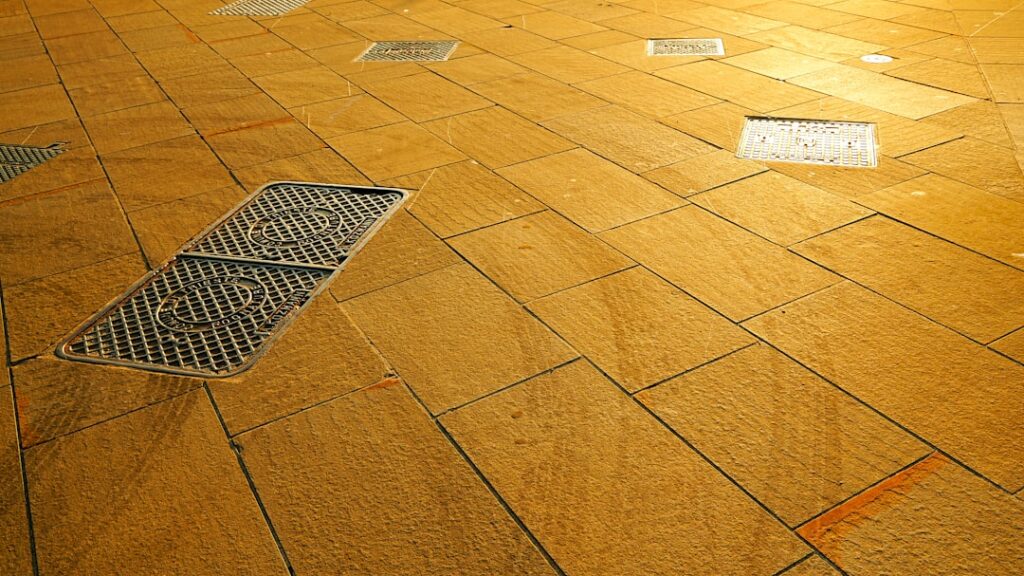
Few natural stones strike the balance between rugged character and refined beauty quite like travertine tile. Formed over thousands of years in the mineral-rich waters of hot springs and limestone caves, travertine carries the textures of its geological history in every surface pit, vein, and color variation. It is a stone that has paved Roman coliseums, lined Mediterranean courtyards, and graced the floors of some of the world’s most celebrated buildings—and it remains one of the most versatile and affordable natural stone flooring options available today.
- What Is Travertine?
- Travertine Tile Finishes Explained
- Polished Travertine
- Honed Travertine
- Brushed Travertine
- Tumbled Travertine
- Filled vs Unfilled Travertine
- Travertine Finishes Compared
- Travertine Tile Colors
- Travertine Tile Sizes and Patterns
- Travertine Tile Cost
- Indoor vs Outdoor Use
- Travertine vs Marble
- Travertine vs Porcelain
- Travertine Tile Installation
- Maintenance and Sealing
- Durability and Longevity
- Pros and Cons of Travertine Tile
- Best Rooms for Travertine Tile
- Frequently Asked Questions About Travertine Tile
Travertine flooring appeals to homeowners who want the authenticity of real stone without the price tag of premium marble. With material costs ranging from $3 to $15 or more per square foot, travertine delivers genuine natural character at a fraction of what many other stones demand. Whether you are designing a warm Tuscan-inspired kitchen, a slip-resistant pool deck, or a timeless bathroom retreat, travertine tile has a finish, color, and pattern to match your vision.
This guide covers everything you need to know about travertine tile flooring—from how the stone is formed and the differences between finishes to cost breakdowns, installation methods, sealing requirements, and the best rooms for travertine. We also compare travertine to marble and porcelain so you can decide which material fits your project. For a broader look at stone options, our natural stone flooring guide provides additional context.
What Is Travertine?
Travertine is a form of natural limestone deposited by mineral-rich water, most commonly around hot springs, geothermal vents, and limestone caves. As heated groundwater rises to the surface, dissolved calcium carbonate precipitates out of solution and accumulates in layers over thousands of years. Gases escaping during this process create the characteristic pitting and open pores that give travertine its distinctive, textured appearance.
Geologically, travertine sits between limestone and marble in the metamorphic spectrum. It has not been subjected to the intense heat and pressure that transforms limestone into marble, which means it retains a more organic, layered structure. This structure is what produces the warm, earthy aesthetic that separates a travertine floor from the sleeker, more refined look of marble flooring.
Most commercial travertine is quarried in Turkey, Italy, Mexico, Peru, and Iran. Turkish travertine dominates the global market due to its consistent quality and wide color range. Italian travertine, particularly from the quarries near Tivoli outside Rome, is prized for its historical pedigree—it is the same stone used to build the Colosseum and the colonnade of St. Peter’s Square.
On the Mohs hardness scale, travertine rates between 3 and 4, making it softer than granite but comparable to marble. Its porosity is higher than most marbles, which means sealing is essential. However, its natural texture and warm tonal range mean it hides wear, minor scratches, and everyday imperfections far better than polished marble or granite surfaces.
Travertine Tile Finishes Explained
The finish you choose for your travertine tile transforms both its look and its performance. Each finish alters the texture, sheen, slip resistance, and maintenance profile of the stone. Understanding the options is critical to selecting the right tile for your space.
Polished Travertine
Polished travertine has a smooth, glossy surface achieved by grinding and buffing the stone to a high sheen. This finish reveals the deepest color saturation and the most visible veining, giving the stone a look that approaches marble in formality. Polished travertine works well in entryways, formal living rooms, and dining areas where elegance is the priority. The trade-off is reduced slip resistance and greater visibility of etch marks from acidic spills.
Honed Travertine
Honed travertine is ground smooth but left unpolished, resulting in a matte, velvety surface with no reflective sheen. This is the most popular finish for indoor travertine flooring because it offers a clean, contemporary look with better slip resistance than polished stone. Honed travertine is an excellent choice for kitchens, hallways, and living areas where you want understated natural beauty without the formality of a high-gloss surface.
Brushed Travertine
Brushed travertine is created by running wire brushes across the surface of honed tile, which slightly textures the stone and opens up some of the natural pitting. The result is a softly aged look with more grip than honed travertine but a smoother feel than tumbled. Brushed finishes are versatile enough for both indoor and covered outdoor applications and pair naturally with rustic, transitional, and Mediterranean design styles.
Tumbled Travertine
Tumbled travertine has a rough, weathered appearance produced by tumbling cut tiles in a rotating drum with abrasive materials. The process rounds the edges, chips the corners, and creates an antique, hand-worn texture that evokes old-world charm. Tumbled travertine is the finish of choice for outdoor patios, pool surrounds, shower floors, and any space where rustic character and maximum slip resistance are priorities. It is also the most porous finish and demands thorough sealing.
Filled vs Unfilled Travertine
Travertine’s natural surface contains open pores and voids left by gas bubbles during formation. Filled travertine has these voids filled with a color-matched resin or cement at the factory, creating a smoother, more uniform surface that is easier to clean and maintain. Unfilled travertine retains its natural holes and pits, producing a more rustic, textured look with greater visual depth. Unfilled tiles require more grout during installation and more diligent sealing, but they offer an authenticity that filled tiles cannot replicate.
Travertine Finishes Compared
| Finish | Appearance | Slip Resistance | Maintenance | Indoor/Outdoor | Relative Cost |
|---|---|---|---|---|---|
| Polished | High-gloss, formal, deep color | Low | Moderate – shows etching | Indoor only | $$ |
| Honed | Smooth matte, contemporary | Moderate | Moderate – seals well | Indoor; covered outdoor | $$ |
| Brushed | Softly textured, aged feel | Moderate to good | Moderate – hides wear | Indoor and outdoor | $$ |
| Tumbled | Rough, rustic, antique | High | Higher – more porous | Indoor and outdoor | $ – $$ |
| Filled | Smooth, uniform, refined | Depends on finish | Lower – fewer voids to clean | Indoor preferred | $$ |
| Unfilled | Natural pitting, textured | Good – textured surface | Higher – needs thorough sealing | Indoor and outdoor | $ |
Travertine Tile Colors
Travertine’s color palette is shaped by the mineral content of the water from which it formed. Unlike marble, which tends toward whites and greys, travertine leans warm—offering a range of earthy tones that bring natural warmth to any space.
Ivory and Classic Travertine
Ivory travertine is the lightest and most popular color, featuring a creamy white-to-beige base with subtle tan and grey veining. It brightens rooms, pairs well with both warm and cool palettes, and serves as a versatile neutral in almost any design scheme. Classic travertine is a close relative, with slightly more visible tan and gold undertones.
Beige and Noce (Walnut)
Beige travertine offers a warmer mid-tone that works beautifully in kitchens, living areas, and Mediterranean-inspired designs. Noce, also called walnut travertine, is a rich chocolate-brown variety with dramatic veining that adds depth and warmth to formal spaces. Noce is often used as a contrasting accent alongside lighter travertine tiles in multi-color patterns.
Gold and Yellow
Gold travertine features warm honey and amber tones that create a sun-drenched look, particularly effective in spaces with abundant natural light. It is a popular choice for outdoor travertine pavers on pool decks and patios where its warm hue complements the landscape.
Silver and Grey
Silver travertine is a cooler-toned variety with grey and blue-grey undertones that offers a more modern, contemporary aesthetic. It bridges the gap between the warm earthiness of traditional travertine and the cool sophistication of marble, making it a strong choice for minimalist and industrial-inspired interiors.
Travertine Tile Sizes and Patterns
Travertine tile is available in a range of standard sizes, and the layout pattern you choose can dramatically change the look and feel of the finished floor.
Common Tile Sizes
Standard travertine tile sizes include 4×4, 6×6, 12×12, 16×16, 18×18, and 24×24 inches. Rectangular formats such as 12×24 and 16×24 are also widely available. Larger tiles create a more seamless appearance with fewer grout lines, while smaller tiles allow for intricate patterns and mosaic designs.
Versailles (French) Pattern
The Versailles pattern, also called the French pattern, is the most iconic layout for travertine tile flooring. It uses four different tile sizes—typically 8×8, 8×16, 16×16, and 16×24 inches—arranged in a repeating, interlocking layout that creates a seemingly random yet mathematically precise design. This pattern minimizes visible grout lines and gives the floor an Old World, organic appearance. It is the most popular choice for travertine in living rooms, entryways, and outdoor spaces.
Brick Lay Pattern
The brick lay, or running bond, pattern offsets each row of tiles by half a tile width, similar to how bricks are stacked in a wall. This simple pattern adds visual interest without the complexity of a multi-size layout. It works well with rectangular tiles such as 12×24 and is a good choice for hallways, kitchens, and bathrooms where a clean, linear look is desired.
Herringbone Pattern
Herringbone arranges rectangular tiles in a zigzag pattern that creates dynamic visual movement across the floor. This pattern adds a sense of formality and is often used in entryways, dining rooms, and as feature sections within a larger floor. Herringbone requires more cuts and precise installation, which adds to labor costs, but the visual impact is striking.
Travertine Tile Cost
One of travertine’s strongest advantages is its affordability relative to other natural stones. Understanding the full travertine tile cost means accounting for materials, installation, and long-term maintenance.
Material Costs
Travertine tile typically costs between $3 and $15 per square foot for materials, depending on the grade, color, finish, and tile size. Commercial-grade and lower-grade tiles with more visible imperfections sit at the lower end of that range, while premium select-grade tiles in popular colors like ivory or silver command higher prices. Unfilled and tumbled tiles are generally less expensive than filled and polished varieties because they require less factory processing.
Installation Costs
Professional installation of travertine flooring typically runs $4 to $12 per square foot for labor. Simple grid layouts with standard-size tiles fall at the lower end, while Versailles patterns, herringbone layouts, and projects requiring extensive subfloor preparation push toward the higher end. Outdoor installations for travertine pavers may cost more due to the additional base preparation and drainage requirements.
Total Installed Cost
For a typical 200-square-foot indoor project using mid-range honed ivory travertine in a Versailles pattern, expect a total installed cost of $2,000 to $5,000 including materials, labor, and initial sealing. Premium installations with select-grade polished travertine in a herringbone pattern can reach $5,000 to $7,500 or more. Compared to marble flooring, travertine delivers significant savings while still providing the warmth and authenticity of real stone.
[CTA: Get free quotes from travertine tile installers in your area]
Indoor vs Outdoor Use
Travertine is one of the few natural stones equally at home inside and outside, which is why it has been a staple of Mediterranean and tropical architecture for centuries.
Indoor Applications
Indoors, travertine tile works in virtually every room. Honed and filled travertine is ideal for kitchens, living areas, and hallways where a smooth, easy-to-clean surface is needed. Polished travertine elevates formal entryways and dining rooms. Tumbled travertine adds rustic charm to bathroom floors and shower surrounds, where its textured surface provides essential grip on wet surfaces.
Outdoor Applications
Travertine pavers are a top choice for pool decks, patios, walkways, and outdoor entertaining areas. The stone naturally stays cool underfoot even in direct sunlight, making it comfortable for barefoot use around pools—a significant advantage over concrete and darker stones. Tumbled and brushed finishes provide excellent slip resistance when wet. However, in climates with frequent freeze-thaw cycles, travertine can be vulnerable to cracking and spalling. In these regions, choose dense, high-quality tiles and apply a penetrating sealer rated for exterior use.
Travertine vs Marble
Travertine and marble are geological relatives—both originate from limestone—but they deliver very different aesthetics and performance characteristics.
Marble offers a more refined, formal appearance with dramatic veining and a wider range of white and grey tones. It takes a higher polish and is generally considered the more luxurious option. However, marble is more expensive, typically costing $10 to $50 or more per square foot for tiles, and its polished surface shows scratches, etch marks, and wear more readily than travertine.
Travertine delivers a warmer, more textured, and forgiving aesthetic. Its natural pitting and earth-tone color palette give it an organic character that hides imperfections and patinas gracefully over time. At $3 to $15 per square foot, it is significantly more affordable than marble. Travertine also performs better outdoors thanks to its cooler surface temperature and better traction when left in a tumbled or brushed finish.
Choose marble for formal, contemporary, or high-luxury interiors. Choose travertine for warm, Mediterranean, rustic, or transitional spaces and anywhere outdoor durability matters.
Travertine vs Porcelain
Porcelain tile is the primary manufactured alternative to travertine, and modern porcelain can convincingly mimic the look of natural travertine at a lower maintenance commitment.
Porcelain is harder (7–8 on the Mohs scale), virtually non-porous, resistant to staining and etching, and requires no sealing. It is also lighter, easier to cut, and available in large-format tiles that replicate travertine’s color and texture. Porcelain travertine-look tiles typically cost $2 to $10 per square foot installed.
However, porcelain lacks the depth, variation, and authentic feel of real stone. Travertine’s natural pits, veins, and tonal shifts create a floor that no print technology can fully duplicate. The stone’s thermal properties—cool in summer and compatible with radiant heating in winter—also give it an edge in comfort. And because each travertine tile is unique, the floor has a richness and individuality that repeating porcelain patterns cannot match.
Choose porcelain if you want travertine’s appearance with minimal upkeep. Choose real travertine if you value the authenticity, character, and natural coolness of genuine stone.
Travertine Tile Installation
Installing travertine tile flooring requires careful preparation and the right materials to ensure a long-lasting result.
Subfloor Preparation
Travertine demands a flat, rigid, and clean subfloor. Concrete slabs should be tested for moisture and leveled with a self-leveling compound if needed. Plywood subfloors require a cement backer board overlay to prevent flex that could crack the tiles over time. An anti-fracture membrane is recommended for added protection, especially over concrete slabs with minor movement.
Mortar and Setting
Use a white medium-bed thinset mortar formulated for natural stone. White mortar prevents color bleed-through on lighter travertine tiles. Apply the mortar with a notched trowel and back-butter each tile for full coverage—voids beneath the tile create weak points that can lead to cracking under load.
Grouting
Use unsanded grout for travertine to avoid scratching the surface. For filled travertine, narrow grout joints of 1/16 to 1/8 inch create a tight, refined appearance. For tumbled and unfilled travertine, slightly wider joints of 1/8 to 3/16 inch accommodate the irregular edges. Epoxy grout is an excellent option for wet areas because it resists staining and moisture penetration.
Sealing
Seal travertine before grouting to prevent grout from staining the porous stone surface. Apply a penetrating impregnating sealer and allow it to cure fully before proceeding with grout application. After grouting and cleanup, apply a second coat of sealer. This two-stage approach protects the tile surface and the grout joints simultaneously.
Maintenance and Sealing
Proper maintenance is the key to keeping your travertine floor looking beautiful for decades. The routine is straightforward but must be consistent.
Sealing Schedule
Reseal your travertine flooring every 1 to 2 years, depending on the finish and traffic level. Tumbled and unfilled travertine may need resealing annually in high-traffic areas, while honed and filled travertine in low-traffic rooms may go two years between applications. Test by placing a few drops of water on the surface—if the water absorbs within a few minutes rather than beading, it is time to reseal.
Daily and Weekly Care
Sweep or dust-mop daily with a soft microfiber mop to remove grit and debris that can scratch the surface. Mop weekly with warm water and a pH-neutral stone cleaner. Never use vinegar, citrus-based cleaners, bleach, or any acidic or abrasive products on travertine—these will etch and damage the calcium carbonate in the stone.
Stain Removal
Blot spills immediately. For organic stains such as coffee or wine, apply a poultice of baking soda and water, cover with plastic wrap, and allow it to draw the stain out over 24 to 48 hours. Oil-based stains respond to a poultice made with baking soda and acetone. For deep or persistent stains, consult a professional stone restoration specialist.
Durability and Longevity
Travertine rates 3 to 4 on the Mohs hardness scale, making it a moderately hard stone that is softer than granite or porcelain but durable enough for residential and light commercial applications. With proper installation and consistent sealing, a travertine floor can last 50 to 100 years or more—the Colosseum’s travertine exterior, after all, has endured nearly two millennia.
Travertine’s textured surface and warm color palette are forgiving of minor wear. Small scratches and chips tend to blend into the stone’s natural character rather than standing out, which is a significant practical advantage over more uniform materials. In high-traffic areas, honed or tumbled finishes wear more gracefully than polished surfaces.
The main durability concern is porosity. Without regular sealing, travertine will absorb moisture, stains, and even mold in damp environments. Outdoors, water that penetrates unsealed stone and freezes can cause spalling and surface damage. Consistent sealing eliminates these risks and keeps the stone performing at its best.
Pros and Cons of Travertine Tile
Pros
- Natural beauty and uniqueness. Every travertine tile is one of a kind, with organic textures and warm tones that manufactured products cannot replicate.
- Affordable natural stone. At $3 to $15 per square foot, travertine is one of the most budget-friendly genuine stone flooring options available.
- Versatile indoor and outdoor use. Few natural stones perform as well both inside and outside, making travertine ideal for seamless indoor-outdoor transitions.
- Cool underfoot. Travertine stays naturally cool in warm weather, making it comfortable around pools and in sun-drenched rooms. It also works well with radiant floor heating.
- Hides wear gracefully. The natural texture and color variation of travertine conceals minor scratches, chips, and everyday wear better than polished marble or uniform tiles.
- Increases home value. Natural stone flooring is a recognized premium feature that can boost resale value and buyer appeal.
Cons
- Porous and stain-prone. Without regular sealing, travertine absorbs liquids, oils, and acids that can leave permanent marks.
- Requires regular sealing. Unlike porcelain, travertine needs resealing every 1 to 2 years to maintain its protective barrier.
- Sensitive to acid. Citrus juice, vinegar, wine, and acidic cleaners will etch the surface, creating dull spots that require professional repair.
- Softer than granite or porcelain. Heavy impacts, dropped objects, and dragging furniture can chip or crack tiles.
- Freeze-thaw vulnerability. In cold climates, unsealed travertine used outdoors can crack and spall from repeated freezing and thawing.
- Unfilled tiles trap dirt. The natural pitting in unfilled travertine can collect dust, crumbs, and debris, requiring more thorough cleaning.
Best Rooms for Travertine Tile
Bathrooms
Travertine is a classic bathroom material. Tumbled travertine on the floor provides excellent traction on wet surfaces, while honed travertine on walls creates a spa-like atmosphere. The stone’s natural warmth and texture make bathrooms feel inviting rather than clinical. For a full range of bathroom material options, see our bathroom flooring guide.
Kitchens
Honed, filled travertine is a practical and beautiful kitchen floor choice. Its warm tones complement wood cabinetry and stainless steel appliances, and the matte surface hides minor etching better than polished stone. Clean up acidic spills promptly and maintain the sealing schedule to keep the floor looking its best.
Living Rooms and Entryways
A Versailles-pattern travertine floor in a living room or entryway creates an immediate impression of warmth and timeless quality. The multi-size tile layout adds visual interest and scale to large open spaces. Ivory and classic travertine colors work in both traditional and contemporary settings.
Pool Decks and Patios
Tumbled or brushed travertine pavers are among the top materials for pool surrounds and outdoor entertaining areas. The stone stays cool underfoot, drains water effectively, and provides sure footing when wet. Choose tiles at least 1.25 inches thick for outdoor applications and ensure proper base preparation and drainage.
[CTA: Schedule a free consultation with a travertine flooring specialist near you]
Frequently Asked Questions About Travertine Tile
How long does travertine tile flooring last?
With proper installation and regular sealing every 1 to 2 years, travertine tile flooring can last 50 to 100 years or more. The Colosseum in Rome, built largely from travertine, has stood for nearly 2,000 years. In a residential setting, the keys to longevity are a rigid, well-prepared subfloor, consistent sealing, and daily care to prevent grit buildup that can scratch the surface over time.
Is travertine tile good for bathrooms?
Yes, travertine is an excellent bathroom flooring choice when you select the right finish. Tumbled travertine provides strong slip resistance on wet floors, making it safe for showers and bathroom surfaces. Honed travertine offers a smoother look with moderate grip. Ensure the bathroom is well ventilated to prevent moisture buildup, and seal the stone thoroughly to protect against water absorption and mold growth.
What is the difference between filled and unfilled travertine?
Filled travertine has its natural surface holes and voids filled with color-matched resin or cement during manufacturing, creating a smoother, more uniform tile that is easier to clean. Unfilled travertine retains its natural pitting, which gives it a more rustic, organic appearance but requires more thorough cleaning and sealing. Filled travertine is better for kitchens and high-traffic areas, while unfilled travertine suits outdoor spaces and rooms where a natural, textured look is desired.
Does travertine tile need to be sealed?
Sealing is essential for all travertine tile installations. Travertine is a naturally porous stone that will absorb liquids, stains, and moisture without a protective sealer. Apply a penetrating impregnating sealer before and after grouting during installation, then reseal every 1 to 2 years depending on the finish type and traffic level. A simple water drop test—observing whether water beads up or absorbs into the surface—tells you when resealing is needed.
Can travertine be used around a pool?
Travertine is one of the best natural stones for pool surrounds. Tumbled travertine pavers provide excellent slip resistance when wet, and the stone naturally stays cooler than concrete or darker stones in direct sunlight, making it comfortable for bare feet. Use tiles at least 1.25 inches thick, ensure proper base preparation with adequate drainage, and apply an exterior-rated penetrating sealer. In climates with harsh winters and frequent freeze-thaw cycles, choose dense, premium-grade travertine and seal diligently to prevent moisture intrusion that can cause cracking.
Prefer to explore on your own?
See how new flooring looks in your actual room in seconds — free, no signup.
Try the free Floor Studio →

