The phrase fire resistant flooring covers a broader spectrum than most homeowners realize. The product spec usually ties back to ASTM E648 Critical Radiant Flux ratings (Class I or Class II) or ASTM E84 flame spread index, and the specific requirements vary dramatically by occupancy type. After helping coordinate floor specifications for assisted living facilities, schools, and a half-dozen wildfire-zone residences, I can clarify which flooring categories actually meet codes and where homeowners get steered into products that do not deliver real safety benefit.
- What Fire Resistance Actually Means
- Materials That Pass Class A and Class I
- Tile and Stone: The Default Specification
- Concrete and Polished Concrete
- Class A Vinyl, Rubber, and Linoleum
- What About Hardwood and Laminate
- Specifying for Wildfire Zones
- Cost Comparison
- Code Requirements Worth Verifying
- Installation Considerations
- Final Specification Logic
What Fire Resistance Actually Means
Two test standards define fire-resistant flooring in the US. ASTM E648 measures Critical Radiant Flux — how much radiant heat the floor can absorb before flame propagates across the surface. Class I rates 0.45 W/cm2 or higher (best); Class II rates 0.22 to 0.45 W/cm2; below 0.22 fails for most regulated occupancies. ASTM E84 measures flame spread and smoke development; Class A rates 0 to 25 flame spread and 0 to 450 smoke (best); Class B is 26 to 75; Class C is 76 to 200.
For residential, only fire-restricted areas (kitchens, garages, exits) typically have flooring fire requirements. For commercial — healthcare, education, hospitality — Class I or Class A is often code-mandatory.
Materials That Pass Class A and Class I
Five flooring categories consistently meet the highest fire-resistance ratings:
- Ceramic and porcelain tile — non-combustible
- Natural stone (granite, marble, slate, travertine) — non-combustible
- Concrete (polished, stained, or sealed) — non-combustible
- Terrazzo (cementitious) — non-combustible
- Specialty Class A-rated vinyl, rubber, and linoleum products
Hardwood, laminate, standard sheet vinyl, and most carpet do not meet Class A or Class I out of the box and require specific upgrades or treatments to qualify.
Tile and Stone: The Default Specification
Ceramic, porcelain, and natural stone are inherently non-combustible — they cannot burn. They carry the highest fire ratings without any treatment and are the default specification for healthcare, schools, hotel corridors, and any occupancy with strict fire codes. Cost runs $7 to $22 per sq ft installed for ceramic and porcelain, $14 to $35 for natural stone.
The catch is that fire performance does not extend to thinset, grout, or substrate. A tile floor over wood subfloor with combustible underlayment has limited fire resistance through the assembly. Where assembly fire rating matters, install over cementitious backer board on a non-combustible substrate.
Concrete and Polished Concrete
Polished concrete and exposed slab floors are inherently fire-resistant and increasingly popular in homes built in wildfire zones. The substrate IS the floor. Cost runs $5 to $14 per sq ft for polished concrete, well below tile or stone.
Sealers can affect fire rating. Solvent-based topical coatings can introduce flammability concerns; lithium-silicate densifiers and chemical hardeners are non-combustible. Specify the sealer to match the fire spec — most projects use lithium-silicate densifier topped with a water-based acrylic sealer that meets Class A.
Class A Vinyl, Rubber, and Linoleum
Specialty manufactured floor products carry Class A ratings for use in regulated occupancies. Brands include Tarkett iQ Granit (vinyl), Forbo Marmoleum (linoleum), and Nora Norament (rubber). All three deliver Class I E648 rating and Class A E84 rating, making them appropriate for schools, healthcare, and assisted living.
The performance trick is the formulation — these products use modified PVC or natural materials that char rather than melt and propagate flame. Standard residential vinyl plank does not deliver this performance and should not be specified where Class A is required.
What About Hardwood and Laminate
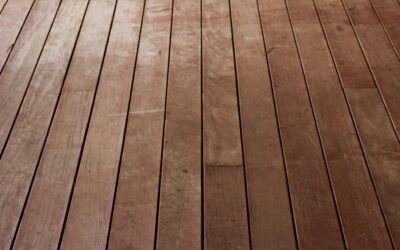
Solid hardwood typically rates Class B or C E84 untreated. Some species (Douglas fir, white oak) qualify Class B; most softwoods and engineered products fail. Fire-retardant treatments are available — products like FlameGuard FR-30 or NoBurst applied during the finishing process — but they cost $3 to $6 per sq ft additional and only push the rating to Class B or low Class A.
Laminate ratings vary by manufacturer. Most consumer-grade products rate Class C; commercial-grade laminates from Wilsonart and Mannington offer Class B options. None are typically specified where Class A is required.
Specifying for Wildfire Zones
Homes in California WUI (Wildland-Urban Interface) zones, Colorado mountain corridors, and other wildfire-prone areas often need fire resistant flooring not for active flame containment but for ember intrusion. Embers entering through compromised vents, broken windows, or under doors will land on the floor surface. Non-combustible materials prevent ignition.
Recommended specifications for wildfire zone homes:
- Entry, hearth room, and main living: tile, stone, or polished concrete
- Bedrooms: hardwood with FR treatment or LVT with Class A rating
- Garage: polished concrete or epoxy with Class A rating
Cost Comparison
Realistic 2026 installed pricing for fire resistant flooring options:
- Polished concrete: $5 to $14 per sq ft
- Ceramic tile (Class A): $7 to $14 per sq ft
- Porcelain tile (Class A): $9 to $18 per sq ft
- Class A vinyl/linoleum/rubber: $5 to $14 per sq ft
- Natural stone (Class A): $14 to $35 per sq ft
- FR-treated hardwood: $11 to $22 per sq ft
Code Requirements Worth Verifying
Local code typically references one of these standards:
- IBC (International Building Code): floor finishes in egress corridors and exits require Class I or II E648
- NFPA 101 (Life Safety Code): healthcare and assisted living floors require Class I E648
- California WUI ordinance: chapter 7A specifies non-combustible materials within 5 ft of structure for most occupancies
Always verify with the AHJ (Authority Having Jurisdiction) before specifying. Codes change, and what passed last year may not pass today.
Installation Considerations
Substrate matters as much as the surface. A Class A floor over a combustible substrate may have limited assembly fire rating. For maximum fire performance, install on cementitious backer board, concrete, or steel subfloor. Use non-combustible adhesives and grouts where rated assemblies require them.
Final Specification Logic
For most fire resistance applications, ceramic tile, porcelain tile, polished concrete, or terrazzo deliver the highest performance at reasonable cost. Step up to natural stone for premium installations and step down to specialty Class A vinyl for spaces needing softer feel underfoot. Match the specification to actual code requirements and risk profile. Done correctly, fire resistant flooring contributes to a safer building without dramatically increasing project cost — and in wildfire zones, it can be the difference between a damaged home and a total loss.
Prefer to explore on your own?
See how new flooring looks in your actual room in seconds — free, no signup.
Try the free Floor Studio →