Traditional cork is a sponge — drop a glass of water and the planks swell within hours. The newer category of waterproof cork flooring solves the central weakness of natural cork by sandwiching a cork core between a rigid waterproof base and a vinyl wear layer on top. The result keeps cork’s signature warmth and softness underfoot while finally being safe in kitchens, bathrooms, and basements. This guide explains how the construction works, which brands lead the category, and where it makes sense versus where it does not.
Part of our Roofing guide — explore the full guide →
How Waterproof Cork Construction Works
A typical hybrid cork plank has four bonded layers. The bottom is a thin cork or foam underlayment for sound dampening. The middle is a waterproof rigid core, usually limestone-PVC composite (SPC) or a high-density wood-plastic composite (WPC). Above the core sits the cork comfort layer that gives the floor its forgiving feel, and on top is a printed vinyl wear layer with a urethane finish.
The cork in this construction is not the surface you see or touch directly. It functions as an acoustic and thermal layer rather than a wear surface. The vinyl wear layer ranges from 12 to 22 mil — anything less than 12 mil is consumer grade, while 20 mil and up handles commercial-level traffic.
Cali Bamboo Cork Hybrid
Cali Bamboo’s CorkLuxe and Hybrid lines are the most accessible entries in the category, priced $4.50 to $6.50 per square foot. The planks measure roughly 6 inches wide and 48 inches long with a 20 mil wear layer on the higher trims. The look is wood-pattern vinyl over a cork core, not visible cork.
Real-world performance has been strong in the kitchens and laundry rooms where I have specified it. Spilled water beads on the surface, and the click-lock seams stay tight if the substrate is properly leveled. Cali backs the line with a lifetime residential warranty, though humidity range requirements are strict.
Wicanders Hydrocork
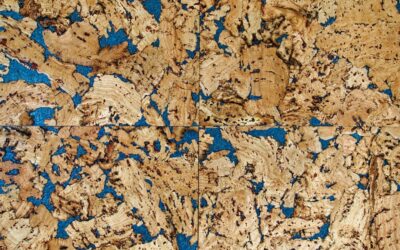
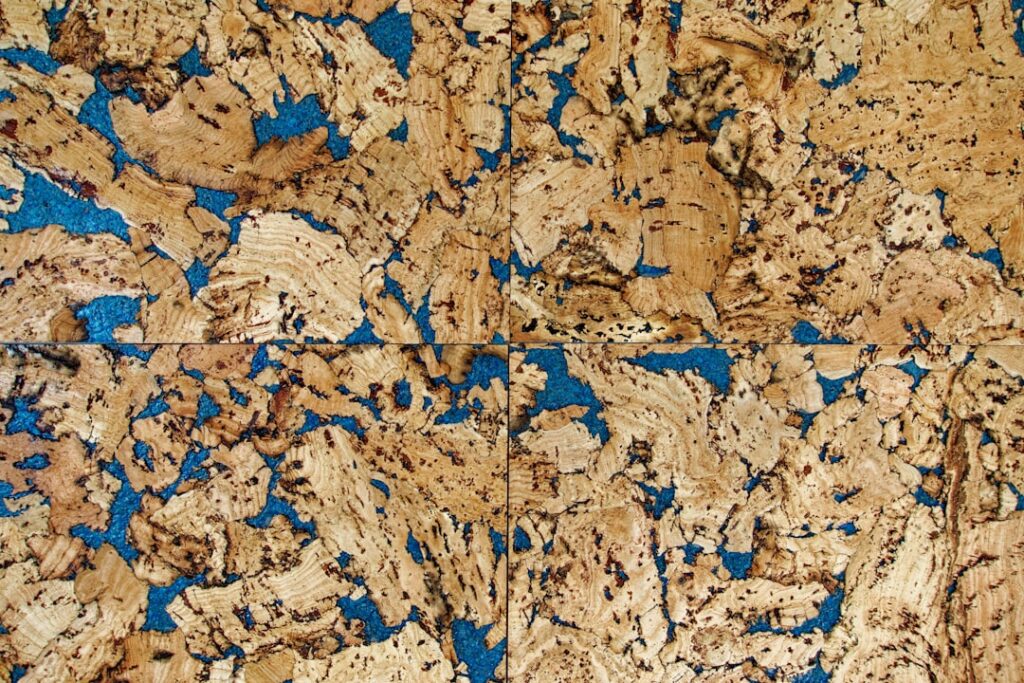
Wicanders Hydrocork is the European original in the category and remains the benchmark for visible-cork aesthetics. Unlike most hybrids, some Hydrocork SKUs feature a visible cork wear surface treated with a proprietary water-resistant coating, while others use vinyl prints over the cork core. Pricing runs $5.50 to $8 per square foot.
The Hydrocork plank is unusually thin at 6mm yet rated waterproof on the surface and through the joints. Installation tolerances are tight — the subfloor must be flat to within 1/8 inch over 8 feet — but the finished result is the closest a hybrid gets to traditional cork’s tactile feel. A 30-year residential warranty backs most lines.
Other Brands Worth Considering
The category is growing fast and a few additional brands have earned spots on the shortlist.
- USFloors COREtec — wood-look hybrid with cork backing; widely stocked
- AquaSeal Cork — Lumber Liquidators house brand; budget-friendly at $3 to $4 per square foot
- APC Cork — Portuguese maker with visible cork wear surface options
- Lisbon Cork — boutique brand with hand-finished cork looks
Where Waterproof Cork Excels
This product solves a specific set of problems and is wasted in rooms where a cheaper option works equally well. The strongest use cases are kitchens with active families, basements with occasional moisture intrusion, mudrooms, and bathrooms outside the shower envelope. The cork core dampens footfall noise, which matters in two-story homes, and the surface stays warmer underfoot than tile in winter.
Pet households are a natural fit. Dog claws scuff vinyl wear layers slower than they scuff laminate, and spills wipe up cleanly. Older homeowners who find tile too hard on their joints often gravitate to the softer feel of cork hybrids.
Where It Falls Short
Waterproof cork is not the right floor for every room. Direct sun on the cork core through south-facing windows can cause minor fading and dimensional changes over years; UV-blocking window film helps. The product is also softer than SPC alone, so heavy furniture without felt pads dimples the surface within months.
Cost is another consideration. Premium cork hybrids cost more per square foot than premium SPC planks without offering meaningfully better waterproofing. If softness underfoot is not a priority for you, a quality SPC plank covers most of the same use cases for less.
Installation Notes
Almost all waterproof cork hybrid floors are click-lock floating installations. They tolerate small substrate imperfections better than traditional cork glue-down but still need the subfloor flat to 3/16 inch over 10 feet. Rolled-out underlayment is usually built into the planks; do not stack a second underlayment underneath, which voids most warranties and causes joint separation.
Acclimate boxes flat in the room for 48 hours at the final humidity before installation. Leave a 1/4 to 3/8 inch expansion gap at every wall and pipe. Transitions to other floors must be true T-moldings or end caps, not silicone, because the floor needs to move.
Maintenance Reality
Cork hybrids handle water like vinyl: damp mop with pH-neutral cleaner, no steam mops, and no abrasive scrubbers. The cork comfort layer is sealed inside the construction so you cannot oil or recoat it the way you maintain traditional glue-down cork. Wear-layer life depends on traffic; expect 15 to 25 years before any visible wear pattern appears in residential use.
Final Verdict
Waterproof cork flooring earns its place in homes that want comfort underfoot, sound dampening, and bulletproof spill resistance in the same product. Cali Bamboo Hybrid is the easiest to source and the safest first pick for most kitchens. Wicanders Hydrocork is the upgrade for design-conscious projects and the only line where the cork itself is the visible surface. Skip the category entirely if a standard SPC plank covers your needs — but if you want softness without giving up waterproofing, this is the one product type that genuinely delivers both.
Prefer to explore on your own?
See how new flooring looks in your actual room in seconds — free, no signup.
Try the free Floor Studio →