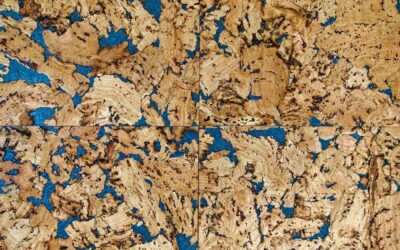
The default cork floor in most homeowners’ mental image is honey-amber — warm, light, and unmistakably cork. Dark cork flooring breaks that pattern with stained, smoked, or naturally darker bark variants that read closer to walnut or espresso hardwood while keeping cork’s signature softness underfoot. The category has grown sharply as designers chase a moody, contemporary aesthetic without the upkeep cost of dark hardwood. Picking the right dark cork product means understanding which darkening process was used and how it affects durability, color stability, and price.
- How Cork Gets Dark
- Real Pricing for Dark Cork
- Top Brands Selling Dark Cork
- Construction Specs to Verify
- Installation Methods
- Where Dark Cork Wins
- Where Dark Cork Loses
- Warranty Terms
- Maintenance Reality
- Best Applications
- Final Buying Advice
- Cork Versus Dark Hardwood Look-Alikes
- Radiant Heat Compatibility
How Cork Gets Dark
Three main processes darken cork. Smoked cork: bark is smoked at high temperature, which caramelizes natural sugars and turns the cork uniformly dark brown without dye. Stained cork: water-based or solvent-based stains penetrate the cork surface for color, then a polyurethane or UV-cured finish locks it in. Carbonized cork: similar to smoked, longer heat exposure, deepest color but slightly more brittle structure.
Smoked is the most color-stable long-term. Stained can fade in direct sunlight unless UV-protected. Carbonized looks dramatic but loses some of cork’s natural resilience.
Real Pricing for Dark Cork
- Stained dark cork plank, 11 mm thick: $3.50 to $7 per square foot
- Smoked cork, 10.5 to 11 mm: $5 to $9 per square foot
- Premium designer dark cork (USFloors, Wicanders): $7 to $11 per square foot
- Glue-down dark cork tile: $4 to $8 per square foot
- Installation: $2 to $4 per square foot (float) or $3 to $6 (glue-down)
Top Brands Selling Dark Cork
USFloors Natural Cork and Almada Cork lines include several dark variants. Wicanders Identity collection (Portugal) offers smoked and stained options. APC Cork carries a Dark Espresso plank. Globus Cork (Brooklyn-based) does custom-stained dark cork in any color you specify. Forna Cork sells eco-certified dark cork direct to homeowners.
European Portuguese cork (Amorim, Wicanders) generally has tighter QC and better finish quality than budget imports. Pay the premium for verifiable origin.
Construction Specs to Verify
Plank thickness: 10.5 to 11 mm is standard for floating click-lock cork. Wear layer: cork is solid through, not laminated, so the entire surface is cork. Surface finish: 5 to 7 coats of UV-cured polyurethane is durable; oil and wax finishes look beautiful but need more maintenance.
Density: cork density runs 400 to 500 kg per cubic meter; higher density (480 plus) handles point loads from furniture better. HDF core layer (in click-lock cork): 800 kg per cubic meter or higher.
Installation Methods
Click-lock floating cork installs over flat substrates with a foam or cork underlayment. Maintain 3/8 inch expansion gap at walls. Glue-down cork tile installs over leveled subfloor with cork-specific contact adhesive. Both methods need a flat substrate within 1/8 inch in 10 feet.
Acclimate boxes flat in the install room for 72 hours minimum. Cork moves with humidity more than vinyl but less than solid wood — keep RH between 40 and 60 percent year-round.
Where Dark Cork Wins
Soft underfoot — cork’s cellular structure absorbs impact and reduces standing fatigue. Quiet — IIC 50 plus on most cork floors without additional underlayment. Naturally antimicrobial — suberin in cork resists mold and bacteria. Sustainable — cork harvest does not kill the tree, and bark regrows every 9 years.
The dark aesthetic also hides minor scratches and pet hair far better than light cork. Visually, dark cork reads as upscale and contemporary.
Where Dark Cork Loses
UV fade is real. Stained dark cork in direct sunlight can lighten 1 to 2 shades within 3 to 5 years. Smoked cork is more stable but still shows some lightening at south-facing windows. Apply UV-protective window films if you have major sun exposure.
Dents from furniture point loads are also more visible on dark cork because the dent reveals the lighter cork beneath the surface. Use felt pads on every furniture leg, every time.
Warranty Terms
Premium dark cork: 25 to 30 year residential warranty on the wear surface, 5 to 10 year commercial. Lower-tier products: 15 to 20 year residential. Most warranties exclude UV fade, pet damage, water damage from standing liquids, and humidity outside 40 to 60 percent RH.
Read the maintenance requirements carefully. Some manufacturers require periodic refinishing or polyurethane recoats to maintain warranty status.
Maintenance Reality
Vacuum or dry mop daily; damp mop weekly with a pH-neutral cork-safe cleaner — Bona Cork Floor Cleaner or the brand’s recommended product. Avoid steam mops, abrasive pads, and any ammonia or vinegar-based cleaners. Refresh polyurethane finish every 5 to 10 years on high-traffic areas to maintain the surface.
For spills: blot immediately, never let liquid sit. Sealed cork resists short-term moisture but is not waterproof. Wipe within minutes.
Best Applications
Living rooms, primary bedrooms, home offices, kid bedrooms (cork is forgiving of dropped toys), and any room where standing comfort matters — kitchens with mat protection, art studios, music rooms. Avoid full-bathroom and laundry-room install; cork tolerates dampness but not standing water.
Final Buying Advice
Order a full plank sample, not a 4 inch chip, and place it in the actual room with your lighting and furniture. Dark cork reads dramatically different at 4 by 36 inches than at 4 by 4. Confirm the finishing process (smoked vs. stained), check the wear-layer recoat schedule in the warranty, and order 12 percent overage to cover cuts and future repair. For most homeowners, a smoked European cork in the $5 to $8 range hits the sweet spot of aesthetic, durability, and price.
Cork Versus Dark Hardwood Look-Alikes
Buyers comparing dark cork to dark hardwood usually focus on aesthetic. The hidden differences favor cork: softer underfoot, quieter, warmer in winter (cork has insulation value), and far more dent-resistant from dropped objects. Hardwood scores higher on resale value perception and refinishability — solid walnut sands and refinishes through generations, cork does not. For aging-in-place residences and households with young kids or seniors, cork wins on comfort and safety.
Radiant Heat Compatibility
Most dark cork products are compatible with hydronic and electric radiant heat up to 81 degrees F surface temperature. The cork itself does not damage; the click-lock locking systems may stress if temperatures exceed the spec. Verify the manufacturer’s radiant heat specification before install, and use a slab sensor (not air sensor) to control supply temperature.
Prefer to explore on your own?
See how new flooring looks in your actual room in seconds — free, no signup.
Try the free Floor Studio →