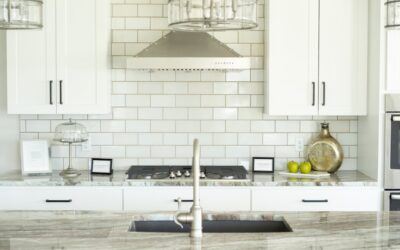
Combining the timeless brick shape with the earthy character of natural stone, travertine subway tile brings a warmth and texture that manufactured ceramic simply cannot match. Each piece is cut from real travertine, a form of limestone deposited by mineral springs, so no two tiles are exactly alike. The result is a backsplash or wall with soft, organic tone variation, subtle pitting, and a natural depth that reads as both classic and luxurious. For homeowners drawn to the subway silhouette but wanting something richer than a flat glazed tile, travertine offers a beautiful middle path, provided you understand its maintenance needs.
Part of our Tile & Grout guide — explore the full guide →
What Travertine Is
Travertine forms over thousands of years as mineral-rich water deposits layers of calcium carbonate around hot springs and limestone caves. That geological origin gives it its signature look: warm beige, cream, tan, walnut, and silvery gray tones, streaked with natural banding and dotted with small voids where gas bubbles were trapped during formation. Cut into the familiar 3-by-6-inch subway proportion, or sometimes 2-by-4 or 4-by-8, it delivers a recognizable, orderly pattern softened by the stone’s inherent irregularity.
Because it is a natural material, travertine is porous and softer than porcelain or granite. Those same qualities that make it beautiful also mean it needs sealing and gentler care than a manufactured tile.
Finishes That Change the Look
Travertine subway tile is sold in several surface finishes, each with a distinct personality:
- Honed, a smooth matte finish that is the most popular, giving a soft, contemporary elegance.
- Polished, buffed to a low sheen that highlights the stone’s color and veining with a more formal feel.
- Tumbled, with rounded edges and a weathered, rustic texture ideal for old-world and Mediterranean styles.
- Brushed or antiqued, offering a lightly textured surface between honed and tumbled.
The finish also affects maintenance. Honed and tumbled surfaces hide etching and wear better than polished, which shows dulling from acidic spills more readily. Filled travertine, in which the natural voids are filled with resin or cement, gives a smoother, easier-to-clean surface, while unfilled travertine shows more of the characteristic pitting.
Where Travertine Subway Tile Works Best
This tile is most at home on walls and backsplashes, where its softness and porosity are less of a liability than they would be underfoot. A travertine subway backsplash behind a range brings instant warmth to a kitchen, especially paired with wood cabinetry and bronze or brass fixtures. In bathrooms, it makes elegant shower walls, tub surrounds, and vanity backsplashes, and it suits spa-inspired and Tuscan-style designs beautifully. Fireplace surrounds and accent walls are other natural fits.
On shower walls and other wet areas, travertine can perform well, but it must be properly sealed and maintained, since standing water and acidic cleaners can etch and stain unprotected stone. It is generally better suited to walls than to shower floors, where a more slip-resistant, durable option is preferable.
The Importance of Sealing
Because travertine is porous, sealing is not optional; it is essential to keeping the tile looking good. An impregnating, penetrating sealer soaks into the stone and repels water, oil, and stains without changing the appearance. Plan to seal travertine subway tile before grouting to prevent grout haze from staining the stone, and again after grouting. Thereafter, reseal roughly every one to three years, or when water stops beading on the surface.
Even sealed, travertine is vulnerable to acids. Vinegar, lemon, wine, tomato, and many common household cleaners can etch the calcium carbonate, leaving dull spots. In a kitchen backsplash, wipe acidic splatter promptly, and always clean with a pH-neutral stone cleaner rather than generic all-purpose or acidic products.
Cost Expectations
Travertine subway tile typically costs $5 to $15 per square foot for the material, depending on the grade, finish, and thickness, placing it above basic ceramic subway tile but often below high-end handmade or marble tile. Premium filled and honed lines and thicker cuts sit at the upper end. Installation adds roughly $8 to $16 per square foot, and natural stone can take longer to set because tiles must be blended for color and handled carefully to avoid chipping the softer edges.
Budget for sealer as an ongoing cost, and order 10 to 15 percent extra tile. Because travertine is quarried in natural lots, matching it years later is difficult, so keeping spares for future repairs is wise.
Installation Considerations
Setting natural stone requires a few adjustments compared with ceramic. Keep these points in mind:
- Use a white polymer-modified thin-set, since gray thin-set can show through the translucent stone or telegraph through voids.
- Blend tiles from several boxes as you work to distribute the natural color variation evenly across the wall.
- Seal the tile before grouting to keep pigment out of the pores.
- Choose a grout color that complements the stone, and consider an unsanded grout for the tighter joints of honed tile.
- Handle tumbled tiles gently; their rounded edges chip if forced against spacers.
Cleaning and Everyday Care
Maintaining travertine is straightforward once you respect its chemistry. Dust and wipe with a soft cloth, and clean with a dedicated pH-neutral stone cleaner and warm water. Blot spills quickly, especially anything acidic, and never use vinegar, lemon, bleach, or abrasive scrubbing pads, all of which damage the surface. For a backsplash, a soft brush reaches into any pitting on unfilled stone. With regular sealing and gentle cleaning, travertine develops a warm, lived-in patina rather than wearing out.
Filled Versus Unfilled Travertine
One decision that shapes both look and maintenance is whether to choose filled or unfilled travertine. Filled travertine has its natural pits and voids filled with resin or a cement-based material during processing, producing a smoother, more uniform surface that is easier to clean and less likely to trap crumbs and grime. This makes filled travertine the more practical choice for kitchen backsplashes and areas where wiping down matters.
Unfilled travertine leaves the natural holes open, showcasing the stone’s raw, textured character for a more rustic, old-world appearance. It reads as more authentic and organic, but the open pits collect dust and food particles and can be harder to keep clean. Over time, unfilled voids may also need to be filled with grout during installation. Weigh the look you love against the cleaning reality of your space before deciding.
Design Styles That Suit Travertine
Travertine subway tile shines brightest in certain design directions. It is a natural fit for Tuscan, Mediterranean, and old-world interiors, where its warm earth tones and natural texture reinforce the aged, handcrafted aesthetic. It also works beautifully in spa-inspired bathrooms, bringing a soft, serene, natural quality that pairs with wood vanities and matte fixtures. In transitional kitchens, honed travertine in a clean subway layout bridges rustic warmth and contemporary order. The stone pairs especially well with bronze, brass, and oil-rubbed finishes, wood cabinetry, and warm neutral paint palettes that echo its cream and tan tones.
Is Travertine Subway Tile Right for You?
Travertine subway tile rewards homeowners who love natural stone’s warmth, texture, and one-of-a-kind character and are willing to seal it and clean it thoughtfully. It brings an organic richness to backsplashes and bathroom walls that no printed tile can fully replicate. If you want a zero-maintenance surface and tend to wipe counters with whatever cleaner is handy, a porcelain wood- or stone-look tile may suit you better. But if you value authentic material and are ready to care for it, a travertine subway backsplash offers enduring, understated beauty that only improves with age.
Prefer to explore on your own?
See how new flooring looks in your actual room in seconds — free, no signup.
Try the free Floor Studio →