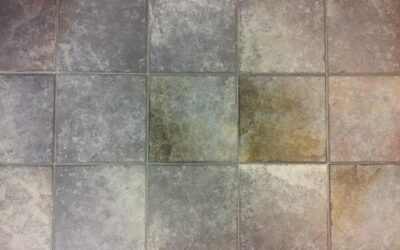
Warm without being yellow and neutral without being cold, grey travertine tile has quietly become one of the most sought-after natural stones for modern homes. This muted, silvery variation on classic travertine bridges warm and cool color schemes with ease, offering the organic texture and depth of natural stone in a shade that suits contemporary interiors. If you are considering it for a floor, wall, or outdoor space, this guide covers the finishes, costs, care, and trade-offs you should understand first.
Part of our Tile & Grout guide — explore the full guide →
What Grey Travertine Is
Travertine is a form of limestone that forms around mineral springs, where dissolved calcium carbonate deposits over time. As it forms, gases create the small natural pits and voids that give travertine its characteristic texture. While travertine is often associated with warm cream, gold, and walnut tones, grey travertine is quarried in cooler silver, dove, and charcoal-grey shades. The result is a stone with all of travertine’s natural movement and character, but in a versatile neutral grey that plays beautifully with modern palettes.
Finishes and How They Change the Look
The surface finish has a big impact on both appearance and practicality:
- Honed: Ground to a smooth matte finish, the most popular choice for a soft, contemporary look with good slip resistance underfoot.
- Filled and honed: The natural pits are filled and the surface smoothed for a more uniform, easy-to-clean result.
- Tumbled: Edges and surface are softened for a rustic, Old-World feel, ideal for a natural or Mediterranean aesthetic.
- Polished: A glossy surface that highlights the stone’s veining but can be slippery and shows wear.
- Brushed: A subtly textured matte finish that adds grip and a weathered look.
Unfilled travertine keeps its natural holes for a more organic look but collects dirt more easily; filled versions are lower maintenance.
Where Grey Travertine Tile Works
Its neutral tone and natural durability make grey travertine adaptable throughout the home. It is a classic choice for bathroom floors and shower walls, where it creates a serene, spa-like atmosphere. In kitchens and entryways it stands up to traffic while adding warmth and texture. Grey travertine also excels outdoors as a pool deck, patio, or walkway, because its naturally textured surface offers slip resistance and it stays cooler underfoot than darker stone in the sun. As a fireplace surround or accent wall, it lends an understated, elegant focal point.
Design Ideas and Pairings
Because grey travertine sits between warm and cool, it coordinates with an unusually wide range of finishes. Try these pairings:
- Modern neutral: Combine honed grey travertine with white cabinetry, matte black fixtures, and pale wood for a clean, current look.
- Warm contrast: Pair it with brass or bronze hardware and walnut tones to bring out subtle warmth.
- Coastal calm: Match it with soft blues, whites, and rattan for a relaxed, breezy feel.
- Mediterranean: Use tumbled grey travertine with terracotta accents and wrought iron for Old-World character.
What Grey Travertine Tile Costs
Travertine is a mid-range natural stone in terms of price. Expect grey travertine field tile to run roughly $3 to $9 per square foot, with premium grades, large formats, and pavers reaching $12 or more. Installation typically adds $7 to $15 per square foot depending on your region, layout, and subfloor preparation. Outdoor pavers and complex patterns cost more to install. Remember to budget for sealer, thinset, grout, filler if you choose unfilled tile, and a 10 to 15 percent material overage to cover cuts, breakage, and future repairs, since matching a discontinued lot later is difficult.
Sealing and Maintenance
As a porous natural stone, grey travertine needs sealing and gentle care to stay looking its best:
- Seal after installation with a penetrating sealer, and reseal every one to three years, sooner in wet or high-traffic areas.
- Clean with a pH-neutral stone cleaner. Never use vinegar, lemon, or acidic products, which etch and dull the calcium-based stone.
- Sweep and dust mop regularly to keep abrasive grit from scratching the surface.
- Wipe spills promptly, especially wine, coffee, and oils, to prevent staining.
- Refill pits over time if you have unfilled travertine, since the holes can widen with wear.
Pros and Cons
Grey travertine tile offers genuine natural beauty, a versatile neutral tone that bridges warm and cool schemes, good durability, and slip resistance in its honed and tumbled forms. It stays cool outdoors and adds real texture and value to a home. On the downside, it is porous and requires sealing, it can be etched by acids and scratched by grit, and unfilled versions collect dirt in their natural pits. It feels cold and hard underfoot, and like all natural stone it varies from tile to tile, which frustrates buyers seeking perfect uniformity but delights those who want authentic character.
Buying Tips
To get a floor or wall you love, view several tiles or a full crate before ordering, since grey travertine varies in tone and veining. Buy all your tile from a single lot for consistent color, and add extra for cuts and future repairs. Decide whether you want filled or unfilled tile, and honed, tumbled, or polished, based on the room and your maintenance tolerance. For outdoor use, confirm the tile is rated for exterior and freeze-thaw conditions. Finally, factor sealing supplies into your budget from the outset so the stone is protected from day one.
Filled Versus Unfilled: Which to Choose
One of the more consequential choices with grey travertine tile is whether to buy it filled or unfilled, and it affects both looks and upkeep more than most people expect. Travertine forms with natural pits and voids, and manufacturers can either leave these open, an unfilled tile, or fill them with a matching resin or cement, a filled tile. Filled and honed travertine has a smooth, relatively uniform surface that is easier to clean, more comfortable underfoot, and better suited to floors, kitchens, and anywhere debris might collect in open holes. It is the practical, lower-maintenance choice for most interior installations.
Unfilled travertine keeps its natural holes, which gives it a more rustic, organic, textured character that many people love for its authenticity. The trade-off is that those pits collect dust, dirt, and moisture, so they need more frequent cleaning and can widen over time as the fill that was never there gives way to wear. Unfilled tile is often used on walls, feature areas, and outdoor applications where the extra texture adds grip and visual interest and where the maintenance is less of a daily concern. Keep in mind that even filled travertine can develop small open spots over the years as the fill wears, so periodic touch-up filling may be needed on high-traffic floors. When deciding, weigh your tolerance for cleaning against your love of natural texture. If you want the easiest care and a smooth, refined surface, choose filled and honed grey travertine. If you prize rugged authenticity and do not mind a bit more upkeep, unfilled tile delivers the raw, natural look that makes travertine so distinctive.
Final Thoughts
Grey travertine tile delivers the timeless appeal of natural stone in a shade tuned for modern living. Its soft, silvery tone works with nearly any palette, its natural texture adds depth that manufactured tile cannot match, and its durability suits everything from busy kitchens to sunny pool decks. In exchange for periodic sealing and gentle cleaning, you gain a surface with real character that only looks better with age. For homeowners who want warmth, versatility, and authenticity underfoot, grey travertine tile is a choice that rarely disappoints.
Prefer to explore on your own?
See how new flooring looks in your actual room in seconds — free, no signup.
Try the free Floor Studio →