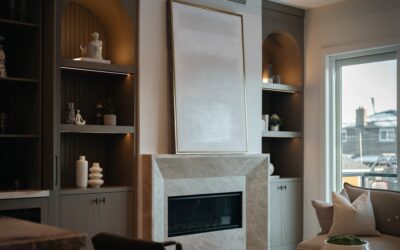
Silver travertine is a natural stone prized for its cool gray and silvery tones, a more contemporary alternative to the warm beige travertine most people picture. It carries the same organic veining and texture that make travertine timeless, but in a palette that pairs beautifully with modern grays, whites, and stainless finishes. Homeowners use it for floors, shower walls, pool decks, and exterior cladding. Like all natural stone, though, it needs the right finish, proper sealing, and realistic expectations about maintenance to perform well.
This guide explains what silver travertine is, the finish and fill options, where it works, and how to care for it.
What Silver Travertine Is
Travertine is a form of limestone that forms around mineral springs, which is why it has the characteristic pitted, layered look. Silver travertine gets its gray to silvery coloring from mineral content in the deposit, often quarried in bands that produce subtle linear veining. Each tile is unique, with movement and natural holes that are part of the stone’s appeal rather than defects.
It comes in tiles and pavers of various sizes, plus larger format slabs, and is sold both filled and unfilled, honed, polished, tumbled, or brushed.
Vein-Cut vs Cross-Cut
How the stone is sliced from the block changes its look dramatically. Vein-cut travertine is cut along the natural layers, producing a linear, striped grain that reads modern and is popular for feature walls. Cross-cut travertine is cut across the layers, revealing more random, cloud-like swirls and rounded markings. Decide which pattern suits your space before ordering, since the two look like different materials.
Filled vs Unfilled, and Finishes
Travertine naturally has small holes and voids. How those are handled affects both looks and maintenance:
- Filled: The holes are filled with a matching grout or resin at the factory, giving a smoother, lower-maintenance surface that is easier to clean. Best for kitchen counters and most floors.
- Unfilled: The natural holes are left open for a rustic, textured look. More character, but the pits trap dirt and need more upkeep.
For finish, honed (matte) is the most common for floors because it hides wear and is slip-resistant. Polished gives a sheen but shows scratches; tumbled gives a soft, aged, slip-friendly texture ideal for pool surrounds; brushed sits between honed and tumbled.
Where to Use It
Silver travertine is versatile across interior and exterior projects:
- Floors: Honed or tumbled tiles in entryways, kitchens, and living areas
- Bathrooms and showers: Walls and floors, sealed well against constant moisture
- Pool decks and patios: Tumbled pavers stay cooler underfoot than many stones and offer good slip resistance
- Accent and feature walls: Vein-cut for a striking linear backdrop
Because the silvery gray tone leans modern, it bridges traditional stone warmth and contemporary design better than classic beige travertine.
Sealing Is Essential
Travertine is porous and reactive to acids, so sealing is not optional in most applications. Apply a penetrating impregnating sealer after installation and reseal periodically, often every one to three years depending on traffic and exposure. The sealer slows water and oil absorption and buys you time to wipe up spills before they stain.
Even sealed, travertine is sensitive to acidic substances. Wine, citrus, coffee, and acidic cleaners can etch the surface, leaving dull marks. Wipe acidic spills immediately and never let them sit.
Cleaning and Care
Day to day, dust-mop or vacuum to remove grit that can scratch the surface, and clean with warm water and a pH-neutral stone cleaner. Avoid vinegar, lemon, bleach, and generic bathroom cleaners, all of which can etch or dull travertine. Use coasters and trivets on travertine counters and place mats at entries to catch abrasive grit.
For outdoor pavers, an occasional rinse and a periodic reseal keep the stone looking fresh and resistant to the elements.
How It Compares to Other Stones
Knowing where silver travertine sits among natural stones helps set expectations. Compared to marble, travertine is more porous and textured but often less expensive and more slip-resistant in honed and tumbled finishes. Against granite, travertine is softer and more prone to etching and scratching, so it suits floors and walls better than heavy-use kitchen counters. Versus porcelain that mimics stone, real travertine offers authentic depth and variation but demands sealing and gentler cleaning that porcelain does not.
If you love the look but want zero sealing and acid worry, a porcelain travertine-look tile is a practical alternative. If you want genuine natural stone character, silver travertine delivers it.
Installation Considerations
Travertine is heavy and brittle, so installation calls for a flat, solid substrate and the right materials. Use a quality thin-set rated for stone, and on floors confirm the subfloor meets flatness and deflection requirements so tiles do not crack. Many installers seal travertine before grouting, especially unfilled or tumbled tiles, so grout does not lodge in the natural pits and stain the surface.
Lay out the tiles dry first to balance the natural color variation across the floor, since each piece differs. Mixing tiles from several boxes as you set them blends the tones for a more natural, cohesive result rather than obvious patches of light and dark.
Pros, Cons, and Cost
Silver travertine offers natural beauty, a cool modern palette, good slip resistance in honed and tumbled finishes, and a surface that stays comfortable underfoot outdoors. The tradeoffs are real: it is porous, etches with acids, and needs sealing and gentle cleaners. Material costs commonly run $4 to $15 per square foot depending on grade, finish, and format, with premium slabs higher.
If you love natural stone and want a contemporary gray tone, silver travertine is a beautiful, durable choice. Just commit to sealing it, use the right cleaners, and choose a filled, honed finish where low maintenance matters most. With those habits in place, the stone develops a soft, lived-in character over the years that synthetic look-alikes simply cannot match, rewarding the modest extra care it asks for. Before you commit, order a few sample tiles and view them in your own space across different times of day, since the silvery gray tone shifts noticeably between bright daylight and warm evening light, and seeing the real stone in your room is the surest way to know it is the right choice.