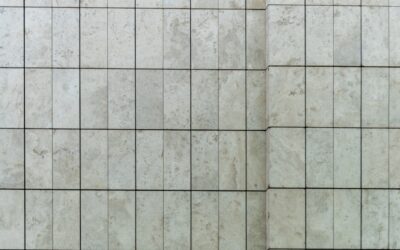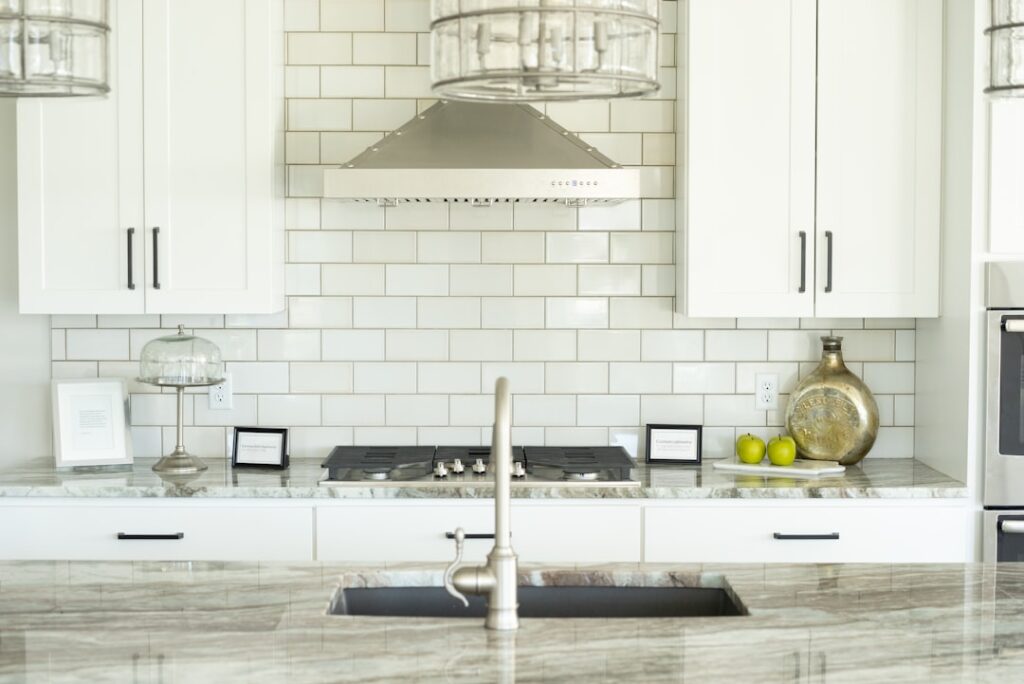
Few materials warm up a kitchen the way natural stone does, and kitchen travertine tile delivers that earthy, old-world character at a price well below marble. Formed over thousands of years as mineral-rich spring water deposits calcium carbonate, travertine carries subtle swirls of cream, walnut, gold, and ivory that no manufactured tile can truly replicate. But this beauty comes with a catch: travertine is porous, reactive to acids, and needs the right finish and sealing routine to survive the spills, grease, and foot traffic a working kitchen throws at it. Understanding those tradeoffs before you buy is the difference between a floor you love for decades and one you regret within a year.
What Makes Travertine Different
Travertine is a form of limestone, softer and more porous than granite or porcelain. Its signature feature is the network of natural voids and channels left behind as gases escaped during formation. In its raw state these holes are visible across the surface, and how a tile handles them, filled or unfilled, honed or tumbled, dramatically changes both the look and the maintenance. This is a stone with personality, and no two tiles are identical, which is exactly why designers reach for it when they want a floor that feels genuinely organic.
Because it is calcium-based, travertine reacts with acids. Lemon juice, vinegar, wine, tomato sauce, and many common cleaners will etch the surface, leaving a dull spot where the acid dissolved the polish. This reactivity is the single most important thing to understand about living with travertine in a kitchen, and it shapes every recommendation that follows.
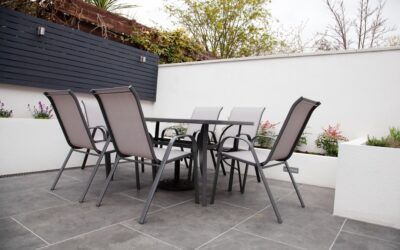
While you’re upgrading the kitchen floor, it might be a good time to rethink the seating too. Swapping out old bar stools is one of those small changes that makes the whole room feel more pulled together.
We may earn a commission when you purchase through our links.
Honed vs. Tumbled vs. Polished Finishes
The finish you choose sets the tone for the whole room. Honed travertine is ground flat and smooth to a soft matte sheen, and it is the most popular choice for kitchen floors because it hides etching better than a polish and offers reasonable slip resistance. Tumbled travertine has rounded edges and a rough, weathered texture created by literally tumbling the tiles with sand and stone, giving a rustic, Tuscan look that is excellent for grip but harder to keep clean in the pits.
Polished travertine has a glossy, reflective surface that shows off the stone’s color depth, but it etches conspicuously and gets slippery when wet, so it is better suited to backsplashes and low-traffic accents than to a busy kitchen floor. A brushed or chiseled-edge finish falls between honed and tumbled. For most kitchens, a honed, filled travertine hits the sweet spot of looks, safety, and maintenance. Here is a quick reference:
- Honed: Matte, smooth, hides etching, best all-around kitchen floor
- Tumbled: Rustic, textured, great grip, more effort to clean
- Polished: Glossy and dramatic, etches easily, best for backsplash
- Brushed: Subtle antiqued texture, good middle-ground option
Filled vs. Unfilled Tiles
Travertine’s natural holes can be left open (unfilled) or plugged at the factory with color-matched resin or cement (filled). Filled tiles give you a smoother, more uniform surface that is far easier to clean and less likely to trap crumbs and grime, making them the practical pick for kitchen floors and counters. Unfilled tiles show the full character of the stone but require you to keep the voids sealed and clear, and over time some fillers can pop out and need touching up with a grout-matched epoxy.
Many homeowners choose filled and honed tiles for the floor and reserve tumbled, unfilled tiles for a backsplash where texture is welcome and food debris is not a daily concern. Whichever you pick, buy 10 to 15 percent more than your square footage to account for cuts, breakage, and future repairs, since dye lots and quarry batches vary and a perfect match years later is nearly impossible.
Cost and What to Budget
Travertine sits comfortably in the mid-range of natural stone pricing. Expect $3 to $8 per square foot for the tile itself, with premium large-format or specialty-cut pieces running $10 to $15. Professional installation typically adds $6 to $12 per square foot depending on your region and the complexity of the layout, so a 200-square-foot kitchen floor might land between $1,800 and $4,000 installed. Backsplash installations cost more per square foot in labor because of the detailed cutting around outlets and cabinets.
Don’t overlook the ongoing costs. Quality penetrating sealer runs $30 to $60 a bottle and you will reapply it periodically, and a pH-neutral stone cleaner is a must-buy rather than a nice-to-have. Compared to marble at $15 to $40 per square foot, travertine delivers a similar natural-stone luxury for substantially less, which is a big part of its enduring appeal.
Sealing Is Non-Negotiable
Because travertine is porous, it will absorb water, oil, wine, and coffee unless it is sealed, and stains that soak deep into the stone are extremely difficult to remove. Apply a quality penetrating (impregnating) sealer immediately after installation, before the tile ever sees a spill, and plan to reseal every one to three years depending on wear and how the water-drop test performs. To test, drip a little water on the tile; if it beads up and sits, your seal is intact, but if it darkens and soaks in within a few minutes, it is time to reseal.
A penetrating sealer soaks into the stone and blocks liquids from below without changing the surface look, which is what you want on a floor. Some homeowners add a topical enhancing sealer to deepen the color, but understand it can alter the sheen. Seal the grout lines too, since unsealed grout is often the first place stains take hold. Proper sealing is the entire ballgame with travertine, and neglecting it is the most common reason people end up disappointed.
Daily Care and Cleaning
Living with kitchen travertine tile is easy once you accept two rules: no acids and no abrasives. Sweep or dust-mop regularly to keep grit from scratching the surface, and wipe spills immediately, especially anything acidic like citrus, tomato, or wine. For routine cleaning, use only warm water and a pH-neutral stone cleaner, never vinegar, lemon, bleach, or generic tile cleaners that will etch and dull the finish over time.
Place mats in front of the sink and stove to catch splashes and drips, and use cutting boards and trivets religiously on travertine countertops. If an etch mark does appear, a stone-polishing powder can often buff it out on honed and polished finishes. Keep a microfiber mop for the floors rather than a string mop, since excess water can seep into grout lines and eventually loosen the tile bond. Treat the stone with a little respect and a good travertine floor or backsplash will hold its warm, timeworn beauty for decades, aging into the kind of patina that manufactured tile simply cannot fake.
Prefer to explore on your own?
See how new flooring looks in your actual room in seconds — free, no signup.
Try the free Floor Studio →