Small-format stone is having a moment, and 4×4 travertine tile sits right at the center of it, showing up on backsplashes, shower floors, and accent walls in homes that want natural texture without the scale of a large slab. The four-inch square is one of the most flexible sizes in natural stone because it wraps curves, handles slopes for drainage, and creates the tight grid pattern designers love. But travertine is porous and needs the right handling, so before you fill a cart with boxes, understand what this stone does well and where it needs protection.
- What Makes 4×4 Travertine Tile Distinctive
- Finishes and What They Mean for You
- What 4×4 Travertine Tile Costs
- Best Uses for 4×4 Travertine Tile
- Sealing and Maintenance Are Non-Negotiable
- Installation Tips for a Lasting Job
- Filled Versus Unfilled Travertine
- Grades and How to Judge Quality
- Is 4×4 Travertine Tile Right for Your Project?
What Makes 4×4 Travertine Tile Distinctive
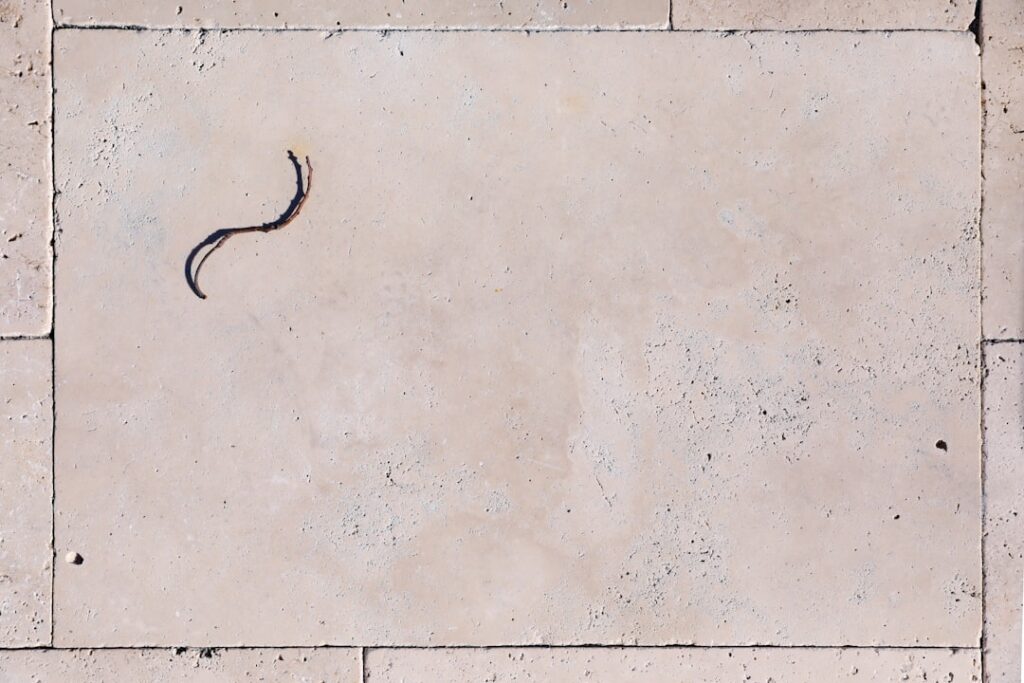
Travertine is a form of limestone deposited by mineral springs, and its signature is the network of natural pits and channels running through each piece. Those voids give the stone its warm, aged character, but they also mean the surface can be filled or left open depending on the finish. In a 4-by-4-inch format, the stone’s movement and color variation read as a rich mosaic rather than a single sweeping vein, which is why it excels in smaller spaces.
Color ranges from ivory and beige to walnut and gold, and no two tiles are identical. That variation is the appeal, but it also means you should dry-lay and blend from multiple boxes before setting, so a cluster of dark tiles doesn’t end up in one corner.
Finishes and What They Mean for You
The finish on a 4×4 travertine tile changes both its look and its safety underfoot. Four finishes dominate the market:
- Tumbled: Rounded edges and a rustic, matte surface. Excellent slip resistance, ideal for shower floors and outdoor use.
- Honed: Smooth matte surface, filled or unfilled. The most popular choice for floors and walls.
- Polished: Glossy and reflective, best on walls and low-traffic areas since it grows slick when wet.
- Brushed: Lightly textured with a soft sheen, a middle ground between honed and tumbled.
For a shower floor, tumbled is the clear winner because the texture and the many grout lines of a 4×4 grid give excellent traction on a sloped surface. For a kitchen backsplash, honed or brushed looks refined and cleans easily. Save polished for a fireplace surround or a wall where slip isn’t a concern.
What 4×4 Travertine Tile Costs
Travertine sits in the affordable-to-mid range of natural stone, which is part of its popularity. Real-world pricing looks like this:
- Standard tumbled or honed 4×4: $3 to $7 per square foot
- Premium grades and select colors: $7 to $12 per square foot
- Installation labor: $8 to $15 per square foot depending on layout and region
- Sealer: $20 to $40 per quart, covering roughly 150 to 200 square feet per coat
Because 4×4 tiles create a lot of grout joints, budget extra for grout and for labor, since setting small tile takes longer than large format. On a backsplash, the higher piece count is manageable, but tiling a large floor in 4×4 gets labor-intensive fast.
Best Uses for 4×4 Travertine Tile
The four-inch square shines in specific applications. Shower floors top the list because the size conforms to the slope toward the drain and the grout lines add grip. Backsplashes are another natural fit, where the tight grid frames a range or vanity with warm texture. The tile also works for accent bands, niche interiors, and outdoor patios where tumbled stone provides sure footing.
Where I’d hesitate is a large main-floor installation. Covering a big room in 4×4 means thousands of tiny tiles and endless grout lines, which multiplies both labor cost and cleaning effort. For expansive floors, an 18×18 or larger travertine reads cleaner and installs faster. Reserve the 4×4 for the spaces where its scale is an advantage.
Sealing and Maintenance Are Non-Negotiable
Travertine is porous, so sealing is not optional. Apply a penetrating stone sealer before grouting to keep grout haze from staining the surface, then a second coat after grouting cures. In a shower or kitchen, reseal every year; in low-traffic areas, every two to three years. Test whether resealing is due by dripping water on the stone; if it darkens and soaks in rather than beading, it’s time.
For daily care, sweep or dust-mop and clean with a pH-neutral stone cleaner. Never use vinegar, lemon, or acidic bathroom sprays, which etch the calcium carbonate and leave dull spots. Wipe spills promptly, especially wine, coffee, and citrus. With consistent sealing, travertine holds up for decades and develops a patina that many homeowners come to prefer over its original look.
Installation Tips for a Lasting Job
Set 4×4 travertine over a flat, stable substrate using a white polymer-modified thin-set, since gray mortar can telegraph through light-colored stone. Use a 1/4-inch notched trowel and back-butter any tiles with deep voids on the back. Because travertine varies slightly in thickness, work with a level and adjust your mortar to keep the surface even.
Choose your grout intentionally. Unsanded grout suits joints under 1/8 inch, while sanded grout handles wider gaps. Filled travertine takes standard grouting, but if you’re using unfilled tile and want to keep the natural voids open, plan for a non-sanded grout applied carefully so it doesn’t pack the holes. Seal the finished floor, and keep a handful of spare tiles from your lot for future repairs, since stone color varies batch to batch.
Filled Versus Unfilled Travertine
One decision trips up more travertine buyers than any other: filled or unfilled. Filled travertine has its natural pits packed with resin or a color-matched grout at the factory, creating a smoother, more uniform surface that’s easier to clean and better for kitchen backsplashes and floors. Unfilled travertine leaves the voids open for a rawer, more textured look that reads as authentic old-world stone.
Unfilled tile grips better underfoot, which is why it’s favored for shower floors and outdoor patios, but the open holes trap dirt and require more diligent cleaning. Over time, some voids in unfilled travertine can pop or widen, and you may need to fill them with grout during maintenance. If you want low upkeep and a refined surface, choose filled and honed; if you want maximum texture and traction and don’t mind the care, go unfilled and tumbled.
Grades and How to Judge Quality
Travertine is sold in commercial grades that reflect the density and consistency of the stone. Premium or first-grade tile has fewer voids, uniform thickness, and minimal filler, giving you a cleaner install and longer life. Standard and commercial grades carry more holes, greater thickness variation, and more filler, which shows up as extra work during setting and more maintenance later.
When you inspect tile at the store, look for consistent thickness across the batch, tight edges without excessive chipping, and a color range you find attractive rather than jarring. A little price premium for a better grade usually pays for itself in easier installation and a floor that stays sound for decades.
Is 4×4 Travertine Tile Right for Your Project?
If you want natural warmth in a shower, on a backsplash, or across a patio, 4×4 travertine tile delivers character and traction at a reasonable price. It rewards homeowners who commit to sealing and gentle, pH-neutral cleaning, and it punishes those who treat it like glazed porcelain. Match the finish to the application, blend tiles from several boxes, seal before and after grouting, and keep spares.
Do that, and this modest little square of Italian and Turkish quarry stone will anchor a space with texture that manufactured tile can only imitate. For the right room, a 4×4 travertine tile is one of the best values in natural stone.
Prefer to explore on your own?
See how new flooring looks in your actual room in seconds — free, no signup.
Try the free Floor Studio →