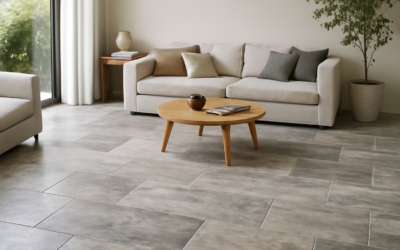
The Romans built the Colosseum out of travertine, and two thousand years later it is still standing, which tells you most of what you need to know about this stone’s durability. White travertine brings that same ancient pedigree into modern homes with a soft, creamy palette that pairs effortlessly with almost any design. But travertine is a porous natural stone, not a maintenance-free tile, and treating it like ceramic is how homeowners end up with stained floors and pitted patios. Understand its nature and it rewards you with timeless, durable beauty.
What White Travertine Is
Travertine is a form of limestone deposited by mineral springs, formed over thousands of years as calcium carbonate settles out of water. White and ivory varieties carry the lightest, most neutral tones in the travertine family, ranging from soft cream to pale beige.
Its signature feature is natural pitting, small holes left by gas bubbles as the stone formed. These voids can be filled and polished for a smooth surface or left open for a rustic, textured look. That choice shapes both the appearance and the upkeep.
Available Finishes
The finish transforms how the same stone looks and performs. Choose based on where the travertine will live.
- Polished: glossy and reflective, formal and elegant, but slippery when wet
- Honed: smooth and matte, the most popular indoor finish, soft underfoot and less slick
- Tumbled: weathered, rounded edges and a rustic, old-world texture
- Brushed: textured and slip-resistant, excellent for outdoor and wet areas
For a bathroom or kitchen floor, honed is usually the sweet spot, refined but not dangerously slick. For a pool deck or patio, tumbled or brushed provides the traction safety demands.
Where to Use It
White travertine works indoors and out, which is part of its enduring appeal. Few materials transition between the two as gracefully.
- Flooring: living areas, entryways, and bathrooms for a warm, natural floor
- Backsplashes and walls: a soft, textured backdrop in kitchens and baths
- Showers: spa-like walls and floors, properly sealed against moisture
- Patios and pool decks: stays cooler underfoot than many stones in direct sun
- Outdoor pavers and walkways: durable and naturally slip resistant when textured
One underrated perk for outdoor use is that travertine reflects heat and stays noticeably cooler than darker stone or concrete, a meaningful comfort around a pool on a hot afternoon.
Pros and Cons
Travertine is beautiful and durable, but it asks for respect. Weigh both sides before committing.
- Pros: timeless natural beauty, excellent durability, stays cool outdoors, slip resistant when textured, every piece is unique, can last generations
- Cons: porous and stains easily without sealing, sensitive to acids, requires periodic resealing, pitting can collect debris, softer than granite so it can scratch
The acid sensitivity is the most important caution. Wine, citrus, vinegar, and many common cleaners will etch travertine, leaving dull spots in the polish. This is a stone that demands the right cleaning products.
Sealing Is Essential
Because travertine is porous, sealing is non-negotiable for any installation that will see spills or moisture. An unsealed white travertine floor will drink up coffee, oil, and water stains within minutes.
Apply a penetrating, impregnating sealer after installation and before grouting where possible. Reseal indoor floors every one to three years and high-use areas like showers and kitchens more often. A simple water test tells you when it is time: if water droplets soak in and darken the stone rather than beading on top, the sealer has worn off and needs reapplication.
Cleaning and Maintenance
Daily care is gentle by design. Sweep or dust-mop regularly to remove grit that could scratch the surface, then clean with a pH-neutral stone cleaner and warm water.
Never reach for vinegar, lemon, bleach, or generic bathroom sprays, all of which are acidic enough to etch the stone permanently. Blot spills immediately rather than letting them sit, especially anything acidic or oily. For polished travertine, periodic professional polishing can restore the shine, while honed and tumbled surfaces hide minor wear naturally and are more forgiving day to day.
White Travertine vs Other Stones
Travertine competes with several natural and engineered surfaces, and comparing them clarifies its niche. Each stone trades looks, hardness, and maintenance differently.
- Travertine: warm, textured, cool underfoot outdoors, but porous and acid-sensitive
- Marble: more luxurious veining and a higher polish, similarly acid-sensitive and softer
- Granite: much harder and more stain resistant, but heavier-looking and less soft in appearance
- Limestone: a close cousin without the pitting, slightly denser, still needs sealing
- Porcelain tile that mimics travertine: nearly maintenance free and waterproof, but lacks the depth of real stone
If you want genuine natural texture and the cool-underfoot benefit outdoors, travertine is hard to beat. If sealing and acid sensitivity sound like too much, a travertine-look porcelain delivers the appearance with far less upkeep.
Filled vs Unfilled Travertine
One choice unique to travertine is whether to buy it filled or unfilled, and it affects both looks and maintenance. The natural pits can be left open or filled with a matching resin or grout.
Filled and honed travertine has a smooth, continuous surface that is easier to clean and more practical for kitchen counters and high-traffic floors, since debris cannot collect in open holes. Unfilled travertine shows its natural pitting for a rustic, weathered character that many homeowners prize, especially outdoors, but those voids trap dirt and need more diligent cleaning. Over time, even filled travertine can develop small open pits as the fill works loose, which you can refill with a color-matched epoxy. Decide based on the location: filled for practical indoor surfaces, unfilled where you want maximum natural texture and do not mind the extra sweeping.
Is White Travertine Right for You?
If you want a floor or patio with genuine natural character and the durability to last decades, white travertine delivers a look that manufactured tile only imitates. The commitment is consistent sealing and using only stone-safe cleaners.
For a low-maintenance household unwilling to seal floors or watch for acidic spills, a porcelain tile that mimics travertine may be the smarter choice. But for those who appreciate the warmth, history, and individuality of real stone, and who will give it the modest care it needs, white travertine remains one of the most elegant and enduring surfaces you can install.