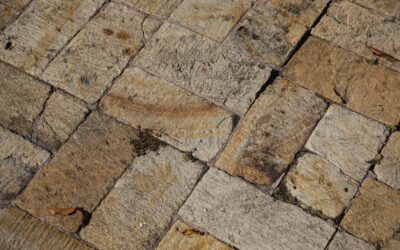
Travertine is the same stone whether it shows up glossy in a hotel lobby or soft and matte on a patio; the difference is how the surface was finished at the factory. Polished travertine tile is ground and buffed until it reflects light like glass, while honed travertine is ground flat and stopped before the shine appears. Tumbled and brushed finishes go further in the other direction, giving the stone an aged, textured feel.
The short version: choose polished for low-traffic, dry rooms where you want maximum depth of color and light reflection, such as formal living rooms, entry walls and fireplace surrounds. Choose honed for most kitchens, bathrooms and hallways, where slip resistance and easy upkeep matter more than gloss. Tumbled and brushed are best for rustic looks, backsplashes, showers with smaller tiles and outdoor areas.
How Polished Travertine Tile Compares to Other Finishes
Every travertine tile starts as a sawn slab. Factories then grind the face with progressively finer abrasives. Stop early and you get honed. Keep going to very fine grits and buff, and you get a polished surface. Tumbled tiles are rolled in a drum with grit and water to round the edges and soften the face, and brushed tiles are scrubbed with wire or abrasive brushes to open the natural texture.
Travertine also has natural holes and voids from the way it forms around mineral springs. Most indoor tile is filled, meaning those holes are packed with a resin or cementitious filler before finishing. Polished and honed tiles are almost always filled; tumbled and brushed tiles may be sold filled or unfilled. Unfilled stone has more character but traps more dirt, so it suits outdoor and rustic settings better than kitchens.
| Finish | Look | Slip resistance | Best rooms |
|---|---|---|---|
| Polished | High gloss, deep color | Lowest, slick when wet | Walls, formal dry floors |
| Honed | Smooth matte to satin | Moderate | Kitchens, baths, halls |
| Tumbled | Aged, rounded edges | Good | Rustic floors, backsplashes |
| Brushed | Textured, slightly worn | Good to high | Patios, showers, mudrooms |
Shine and Color Depth
Polishing closes the surface pores and makes the stone reflect light, which deepens color dramatically. A pale ivory travertine tile that looks almost chalky when honed takes on warm cream and honey tones once polished, and the veining becomes more visible. If you love the drama of stone and want it to read clearly across a room, polish delivers.
Honed stone diffuses light instead of reflecting it. Colors look softer and slightly lighter, and the floor feels calmer and more casual. Many designers prefer honed for open-plan homes because it does not create glare from windows or overhead lights. Tumbled travertine looks the most aged and earthy, with soft edges that suit Mediterranean, farmhouse and old-world styles. Brushed sits between honed and tumbled, with a gently undulating texture you can feel underfoot.
Slip Resistance and Safety
This is where the choice usually gets made. Polished travertine is slippery when wet, sometimes alarmingly so. A splash from the sink, a drip from a shower door or a wet pet paw can turn it into a hazard. For that reason, polished stone is rarely recommended for bathroom floors, kitchens, entries that see rain and snow, or any outdoor surface.
Honed travertine offers noticeably better traction, though it still becomes slick when soaked. Tumbled and brushed surfaces give the most grip thanks to their texture. In showers, choose small honed or tumbled tiles; the extra grout lines add grip as well. Around pools, use brushed, tumbled or specially textured outdoor travertine rather than any indoor finish. If you are unsure, ask the supplier for slip-resistance test data for the specific tile.
Maintenance, Etching and Sealing
Travertine is a calcium-based stone, so acids etch it. Lemon juice, vinegar, wine, tomato sauce, many bathroom cleaners and even some soaps leave dull marks where they touch. On polished stone those etch marks stand out sharply against the shine. On honed stone they blend in far better, which is the main reason honed is the practical choice for kitchens and vanities.
Scratches follow the same pattern. Grit tracked in on shoes slowly dulls a polished surface, especially in traffic lanes, and restoring it takes professional honing and repolishing. Honed and tumbled finishes hide wear because they are already matte.
All travertine finishes benefit from sealing. A penetrating stone sealer reduces staining from oils and colored liquids, though it does not prevent acid etching. Polished stone absorbs less sealer because its surface is tighter, while honed, tumbled and brushed tiles generally need more product and more frequent reapplication. A simple water-drop test tells you when to reseal: if water darkens the stone within a few minutes instead of beading, it is time.
Day-to-day care is similar for every finish:
- Dry dust mop or vacuum (with the beater bar off) to remove grit.
- Damp mop with a pH-neutral cleaner made for natural stone.
- Wipe spills promptly, especially acidic ones.
- Use mats at exterior doors and felt pads under furniture.
- Avoid vinegar, bleach, ammonia and abrasive powders.
Choosing the Right Finish by Room
- Living and dining rooms: polished works if the room stays dry and you accept some dulling in traffic paths. Honed is the lower-maintenance option.
- Kitchens: honed or brushed. Polished floors show etching from spills and become slippery with water around the sink.
- Bathroom floors: honed or tumbled. Save polished for wainscot, tub surrounds and vanity walls.
- Showers: small honed or tumbled tiles on the floor, any finish on the walls, all well sealed.
- Entries and mudrooms: tumbled or brushed to hide grit and give traction.
- Backsplashes and fireplace surrounds: any finish. Polished adds sparkle; tumbled adds texture.
- Patios and pool decks: brushed, tumbled or textured outdoor-grade pavers only.
Polished travertine tile shines brightest, quite literally, on vertical surfaces. Walls never take foot traffic and rarely stay wet, so you get all the depth of polish with none of the downside.
Installation Tips and Dust Safety
Travertine installs much like other natural stone: a flat, stiff subfloor or cement backer, a white polymer-modified thinset or a mortar rated for natural stone, full mortar coverage and narrow grout joints of about 1/16 to 1/8 inch. Seal honed and tumbled tile before grouting so grout haze does not lodge in the pores, and choose a grout color close to the stone so filled holes and joints blend.
Cutting stone creates fine dust containing crystalline silica, which can damage your lungs over time. Protect yourself:
- Cut with a wet tile saw or use water-fed tools rather than dry cutting.
- Work outdoors or in a well-ventilated space when cutting.
- Wear an N95 or P100 respirator, safety glasses and hearing protection.
- Clean up with a HEPA vacuum or wet methods; do not dry sweep stone dust.
Troubleshooting Common Issues
Dull spots on polished floors: usually etching from acids. Light etching can sometimes be buffed with a stone polishing compound; deeper marks need professional honing and repolishing.
Filler popping out of holes: small voids reappear as fillers wear. Refill them with a matching stone filler or color-matched grout and reseal.
Dark rings or stains: oil and water stains often lift with a stone poultice left on for 24 to 48 hours.
Too slippery after installation: a stone professional can hone a polished floor to a matte finish, and anti-slip treatments exist for some surfaces.
Cost Ranges and When to Hire a Pro
Travertine tile material often runs from a few dollars to around 15 dollars per sq ft or more depending on grade, size and finish. Polished and premium-grade tiles usually cost more than tumbled or standard honed tiles because of the extra processing. Professional installation commonly adds roughly 8 to 20 dollars per sq ft, more for complex patterns, large formats or showers. Professional honing and repolishing of an existing floor is priced per sq ft and is worth getting quotes for before replacing worn stone.
Hire a stone installer for large-format tiles, heated floors, wet areas and any floor where flatness tolerances are tight. Natural stone is less forgiving of subfloor flex than porcelain, and a cracked travertine tile is expensive to replace.
If shine and color depth are your priority and the space stays dry, polished travertine tile is beautiful. For nearly everywhere else in the house, honed or textured finishes give you the same warm stone with fewer worries.
Frequently Asked Questions
Is polished travertine too slippery for a bathroom floor?
For most households, yes. Polished travertine becomes very slick when wet, so honed or tumbled tile is the safer choice on bathroom floors. Polished stone works well on bathroom walls and tub surrounds.
Does honed travertine need to be sealed?
Yes. Honed travertine is more porous than polished, so it absorbs stains more readily. Apply a penetrating stone sealer after installation and reseal when water no longer beads on the surface, often every one to three years.
Can you change polished travertine to honed?
A stone restoration professional can grind a polished floor down to a honed finish, and the reverse is possible as well. The process is done in place with diamond pads and water, followed by resealing.
Which travertine finish hides scratches best?
Tumbled and brushed finishes hide scratches and etching best because their surfaces are already textured. Honed is a close second, while polished shows wear most clearly.
Is ivory travertine tile available in every finish?
Ivory and light cream travertine are widely available in polished, honed, tumbled and brushed finishes. Color looks warmer and deeper when polished and lighter and softer when honed or tumbled.