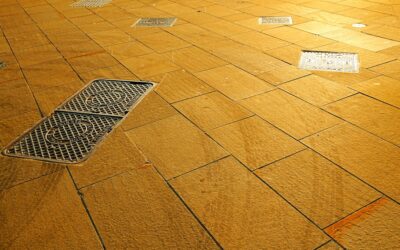
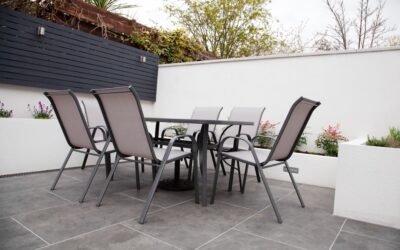
Travertine floor tile brings the beauty of natural stone into homes and commercial spaces with a warmth and character that manufactured materials simply cannot replicate. Formed over thousands of years by mineral-rich hot spring deposits, travertine has been used in architecture since the Roman Empire — the Colosseum itself was built with travertine.
Part of our Tile & Grout guide — explore the full guide →
Today, travertine remains one of the most popular natural stone flooring choices, valued for its warm earth tones, variety of finishes, and timeless elegance. This guide covers finishes, colors, indoor and outdoor applications, the critical importance of sealing, maintenance best practices, and realistic pricing for travertine floor tile projects in 2026.
- What Is Travertine?
- Travertine Floor Tile Finishes
- Travertine Color Options
- Indoor Travertine Floor Applications
- Outdoor Travertine Floor Applications
- Sealing Travertine Floor Tile
- Maintenance Best Practices
- Travertine Floor Tile Pricing
- Pros and Cons of Travertine Floor Tile
- Is Travertine Floor Tile Right for Your Project?
What Is Travertine?
Travertine is a form of limestone deposited by mineral springs, particularly hot springs. As calcium-carbonate-rich water emerges from underground and evaporates, it leaves behind layers of stone with a distinctive porous, banded structure. The natural holes and pits in travertine are caused by gas bubbles that were trapped during formation.
Major travertine quarrying regions include Turkey (the world’s largest producer), Italy (particularly the Tivoli region near Rome), Mexico, Peru, and Iran. Each region produces stone with distinct color characteristics based on the local mineral composition.
Travertine Floor Tile Finishes
The finish applied to travertine dramatically affects its appearance, feel, and performance. Understanding the available finishes is essential for choosing the right product for your space.
Honed Finish
Honed travertine has been ground to a smooth, flat surface with a matte to low-sheen appearance. This is the most popular finish for floor tile because it provides a smooth walking surface without the slipperiness of polished stone.
Characteristics:
- Smooth, velvety texture
- Matte to satin sheen
- Good slip resistance
- Slightly muted color compared to polished
- Shows water spots and fingerprints less than polished
Best for: Kitchens, bathrooms, living areas, and any space where a sophisticated but not overly formal look is desired. Honed travertine is the most versatile finish for residential flooring.
Polished Finish
Polished travertine has been ground and buffed to a high-gloss, mirror-like surface that reveals the stone’s full color depth and veining detail. The result is dramatic and luxurious.
Characteristics:
- High-gloss, reflective surface
- Maximum color depth and clarity
- Formal, elegant appearance
- More slippery when wet — not ideal for bathrooms or wet areas
- Shows scratches, water spots, and etching more readily
Best for: Formal entryways, living rooms, and dining rooms where the floor will be dry and the dramatic look is appropriate. Avoid in bathrooms and kitchens due to slip concerns.
Tumbled Finish
Tumbled travertine tiles are literally tumbled in a drum with abrasive materials to create softened, rounded edges and a weathered, antique surface texture. This is the most casual and rustic finish option.
Characteristics:
- Rounded, chipped edges
- Rough, textured surface
- Aged, antique appearance
- Excellent slip resistance
- More difficult to clean due to surface texture
- Natural pits and holes are left open or lightly filled
Best for: Mediterranean, rustic, Old World, and outdoor designs. Tumbled travertine creates the most characterful floors and works beautifully in entryways, outdoor patios, and pool surrounds.
Brushed Finish
Brushed travertine has been treated with wire brushes to create a lightly textured surface that falls between honed and tumbled. The edges remain square (unlike tumbled), but the surface has a subtle, sandy texture.
Best for: Those who want some texture and character but prefer cleaner edges than tumbled. Works well in both indoor and outdoor applications.
Filled vs Unfilled
This is an important distinction that applies across all finishes. Travertine naturally contains holes and pits. Tiles can be:
- Filled — Holes are filled with colored resin, cement, or epoxy during manufacturing, creating a smoother surface. Filled tiles are easier to clean and maintain.
- Unfilled — Natural holes are left open, creating a more rustic, textured appearance. Unfilled tiles require more sealer and are harder to clean but offer a more authentic natural stone look.
For floor applications, filled travertine is generally recommended because dirt and debris can accumulate in unfilled holes and become difficult to remove.
Travertine Color Options
Travertine’s color palette centers on warm earth tones, though the range is wider than many people expect.
Classic Ivory/Cream
The most popular travertine color, ranging from creamy white to warm ivory with subtle gold and tan veining. Classic ivory travertine is incredibly versatile and works with virtually any design style and color scheme.
Walnut/Noce
A rich, warm brown with darker veining and occasional cream accents. Walnut travertine creates a dramatic, luxurious floor that pairs well with warm-toned decor and dark wood furniture.
Silver/Gray
Cool gray travertine has gained popularity with the trend toward cooler, more contemporary color palettes. Silver travertine features gray tones with subtle cream and white veining.
Gold/Yellow
Warm golden tones with amber and honey accents. Gold travertine adds a sunny warmth to spaces and works particularly well in Mediterranean and Tuscan-inspired designs.
Red/Scarlet
Less common but striking, red travertine features rust and crimson tones caused by high iron content in the stone. It creates a bold, dramatic floor statement.
Multi-Color Blends
Many travertine floor installations use a blend of colors (typically ivory, gold, and walnut) for a more dynamic, natural appearance. Pre-blended palettes are available from most suppliers.
Indoor Travertine Floor Applications
Travertine works beautifully in many interior spaces, adding natural elegance and warmth.
Foyers and Entryways
A travertine floor in the entryway creates an immediate impression of quality and sophistication. Large-format tiles (18×18 or 24×24) in a honed or polished finish make a stunning first impression. The stone’s durability handles high foot traffic well.
Living and Dining Rooms
Travertine provides a warm, natural foundation for formal and casual living spaces alike. The stone pairs well with area rugs, which add comfort and define seating areas while protecting high-traffic zones.
Kitchens
Travertine is a popular kitchen floor choice, but be aware that the stone is sensitive to acidic substances. Dropped lemon juice, vinegar, wine, and tomato sauce can etch and stain unsealed or poorly sealed travertine. Thorough sealing and prompt spill cleanup are essential in kitchen installations.
Bathrooms
Honed or tumbled travertine provides good slip resistance for bathroom floors. The warm tones create a spa-like atmosphere. However, the porous nature of travertine requires excellent sealing in wet bathroom environments, and acidic cleaning products must be avoided.
Outdoor Travertine Floor Applications
Travertine is widely used for outdoor flooring, particularly in warm climates.
Pool Decks and Surrounds
Tumbled and brushed travertine are excellent choices for pool decks. The textured surfaces provide slip resistance when wet, and travertine stays remarkably cool underfoot in direct sunlight — significantly cooler than concrete, porcelain, or dark stone. This thermal property is one of travertine’s major advantages for pool areas.
Patios and Outdoor Living Spaces
Travertine pavers create beautiful outdoor living areas that complement both traditional and contemporary home styles. For outdoor use, tumbled or brushed finishes are preferred for their texture and ability to hide minor weathering.
Outdoor Considerations
- Use travertine pavers (thicker than standard tiles) for outdoor ground-level installations
- Ensure proper drainage to prevent standing water
- In freeze-thaw climates, use a breathable penetrating sealer — topical sealers can trap moisture and cause spalling
- Expect some natural weathering and patina development over time
Sealing Travertine Floor Tile
Sealing is non-negotiable for travertine flooring. As a calcium carbonate stone, travertine is porous and chemically sensitive to acids. Proper sealing protects against staining, etching, and moisture damage.
When to Seal
- Before grouting — Apply a pre-grout sealer to prevent grout from staining the stone surface
- After installation — Apply 2 to 3 coats of penetrating sealer after grouting and cleanup
- Ongoing maintenance — Reseal every 1 to 3 years depending on traffic and exposure
Types of Sealers for Travertine
Penetrating (impregnating) sealers are the recommended primary sealer for travertine. They absorb into the stone’s pores and create an invisible barrier against water and oil-based stains without changing the stone’s natural appearance. Look for sealers specifically formulated for natural stone.
Enhancing sealers are penetrating sealers that slightly darken the stone and bring out the natural color and veining. These are popular for travertine because they enhance the warm tones without creating a surface coating.
Topical sealers create a surface coating that can range from matte to high gloss. They provide excellent stain protection but can wear unevenly in high-traffic areas and may make the surface more slippery.
The Water Test
To check if your travertine needs resealing, place a few drops of water on the surface. If the water beads up and sits on the surface, the sealer is still effective. If the water absorbs into the stone within a few minutes (leaving a dark spot), it is time to reseal.
Maintenance Best Practices
Travertine requires more attentive care than porcelain or ceramic tile flooring, but the maintenance routine is straightforward once you understand the basics.
Daily Care
- Sweep or dust mop to remove abrasive grit and dirt
- Place doormats at entrances to trap sand and debris
Weekly Cleaning
- Damp mop with a pH-neutral stone cleaner — never use vinegar, lemon, or acidic cleaners
- Avoid generic tile cleaners that contain acids or harsh chemicals
- Do not use excessive water — wring the mop thoroughly
Stain and Etch Response
- Clean up acidic spills (citrus, wine, vinegar, coffee) immediately to prevent etching
- For existing etch marks, use a marble polishing compound to restore the surface
- For oil-based stains, use a poultice made from baking soda and water, applied overnight
What to Avoid
- Vinegar, lemon juice, and all acidic cleaners
- Abrasive scrubbers and scouring pads
- Generic multi-surface cleaners
- Steam mops (excessive heat and moisture)
- Bleach and ammonia-based products
Travertine Floor Tile Pricing
Travertine pricing varies based on the tile quality, origin, finish, and size.
Material Costs
- Commercial grade travertine tile: $2 to $5 per square foot
- Premium residential travertine tile: $5 to $10 per square foot
- High-end Italian travertine: $10 to $20 per square foot
- Outdoor travertine pavers: $5 to $15 per square foot
Installation Costs
- Professional tile installation: $6 to $12 per square foot
- Sealing (initial multi-coat): $1 to $3 per square foot
- Subfloor preparation: $1 to $3 per square foot if needed
Total Project Example
For a 200-square-foot foyer with premium honed and filled travertine in a classic ivory color, expect to pay approximately $1,000 to $2,000 for materials, $1,200 to $2,400 for professional installation, and $200 to $600 for sealing — a total of $2,400 to $5,000. Outdoor pool deck installations using travertine pavers typically run $12 to $25 per square foot fully installed.
Pros and Cons of Travertine Floor Tile
Pros
- Unmatched natural beauty with warm, earthy tones
- Each tile is unique — no two floors are alike
- Multiple finish options for different styles and applications
- Stays cool in sunlight — excellent for pool decks and warm climates
- Increases home value as a premium natural stone
- Extremely durable and long-lasting with proper care
Cons
- Requires regular sealing and careful maintenance
- Sensitive to acids — etches from citrus, wine, vinegar
- More expensive than porcelain or ceramic tile
- Porous — stains if not properly sealed
- Softer than granite or porcelain — can chip and scratch
- Heavier than ceramic tile — requires a strong subfloor
Is Travertine Floor Tile Right for Your Project?
Travertine floor tile is the right choice if you value the authenticity and warmth of natural stone and are willing to invest in proper sealing and maintenance. It creates floors of exceptional beauty that age gracefully and can last for generations.
If low maintenance is your top priority, or if your space is subject to frequent acidic spills, porcelain tile that mimics the look of travertine may be a more practical alternative. But for those who appreciate genuine natural stone, travertine delivers a level of warmth, character, and timeless elegance that no manufactured product can truly match.
Prefer to explore on your own?
See how new flooring looks in your actual room in seconds — free, no signup.
Try the free Floor Studio →