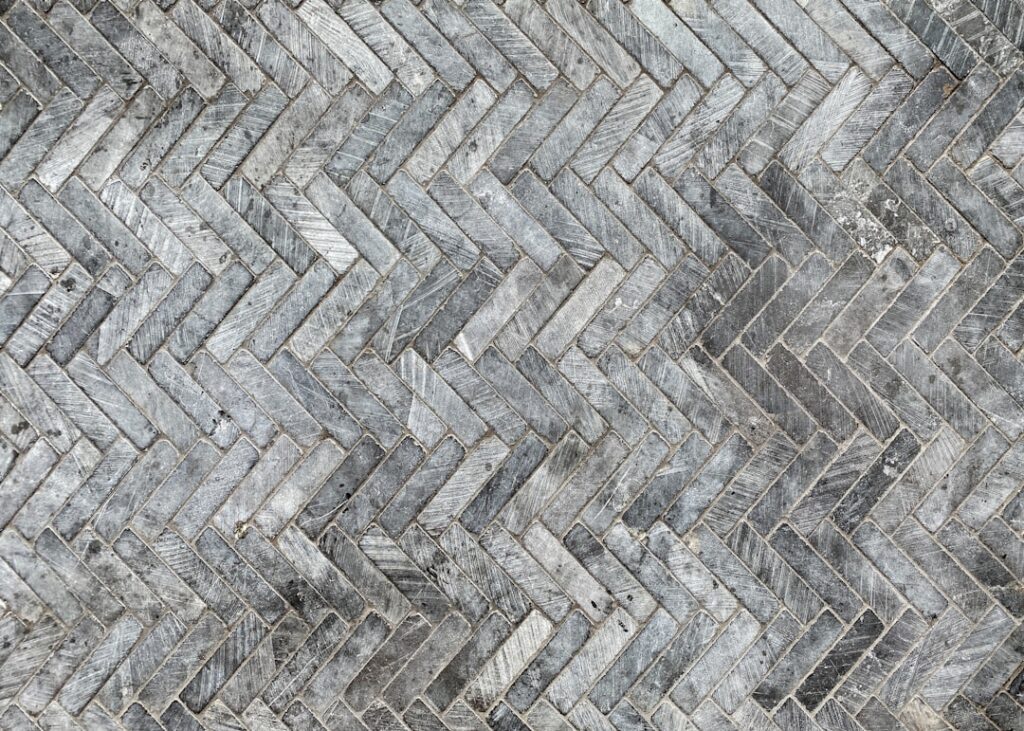
Travertine mosaic tile brings the warm, earthy character of natural stone into a small-format tile that’s perfect for accents, shower floors, and backsplashes. Formed from limestone deposited around mineral springs, travertine has a distinctive pitted, textured surface and a palette of creams, tans, golds, and rusty browns that instantly warms up a space. In mosaic form, those little stone pieces mounted on mesh sheets give you the beauty of real stone with the flexibility to wrap curves and cover small areas that full-size tile can’t.
Part of our Tile & Grout guide — explore the full guide →
This guide covers the finishes travertine mosaics come in, where they work best, how they hold up, the sealing that keeps them protected, and realistic pricing. Travertine is a gorgeous material with genuine natural-stone quirks, and knowing them up front is how you end up loving it rather than fighting it.
Understanding Travertine Finishes
Travertine comes in several surface finishes, and the finish dramatically changes both the look and the practicality. Tumbled travertine has soft, rounded edges and a matte, slightly rustic surface that reads Old World and Mediterranean; it’s the most popular for mosaics and hides wear well. Honed travertine is ground flat to a smooth matte finish that’s more refined and contemporary. Polished travertine is buffed to a shine that shows off the stone’s variation but is more slippery and shows etching.
There’s also filled versus unfilled travertine. The stone is naturally full of small holes and voids, and filled travertine has those pits filled with resin or cement for a smoother, more uniform surface, while unfilled leaves them open for a more textured, rustic look. Filled is easier to clean and better for surfaces where you don’t want debris collecting in the holes, while unfilled offers more grip and character. For a shower floor, a tumbled, textured finish provides natural slip resistance that polished stone can’t.
Where Travertine Mosaics Work Best
Mosaics shine in the spots where their small format is an advantage. Shower floors are a classic use, since the many grout lines between small pieces provide traction underfoot and the sheets conform to the slope toward the drain. Backsplashes, accent bands, niche interiors, and border details are also ideal, letting you add texture and warmth without tiling an entire wall in stone.
Travertine mosaics pair beautifully with larger travertine or coordinating field tile, so a common design is large tiles on the main walls with a mosaic band or a mosaic shower floor tying it together. They also work on fireplace surrounds, powder-room floors, and outdoor patios in mild climates, since travertine is naturally cool underfoot and slip-resistant when textured. In freeze-prone outdoor areas, confirm the stone is rated for that use, as some travertine can spall in hard freeze-thaw cycles.
Durability and What to Expect
Travertine is a durable stone that has literally lasted centuries in ancient buildings, but as a calcium-based stone it shares marble’s sensitivities. It’s softer than granite and porcelain, so it can scratch, and it etches when acids like vinegar, citrus, or wine contact the surface, leaving dull spots. It’s also porous, especially in unfilled form, which means it will absorb liquids and stain if left unsealed.
None of this makes travertine fragile; it makes it a natural material that develops character over time. Many homeowners embrace the way travertine ages and patinas, which suits its rustic, Old World appeal. The people who struggle are those expecting it to stay perfectly uniform like porcelain. Set realistic expectations, seal it properly, and clean it correctly, and travertine mosaic tile will look beautiful for decades while gaining warmth as it wears.
Sealing Is Essential
Because travertine is porous, sealing is not optional. A penetrating stone sealer soaks into the stone and its grout lines, dramatically slowing absorption of water and stains and buying you time to wipe spills before they penetrate. Seal the mosaic after installation and again after grouting, and plan to reseal periodically, roughly once a year in wet or high-use areas, and test with the water-drop method to know when it’s due.
Mosaics have a lot of grout lines relative to their surface, so sealing the grout is just as important as sealing the stone. Unfilled travertine with open pits needs particular attention, since those voids readily trap moisture and grime. In a shower, thorough sealing plus a squeegee habit prevents the soap scum and hard-water buildup that otherwise collect in the stone’s texture. Good sealing is the maintenance foundation that makes everything else easy.
Cost and Cleaning
Travertine mosaic tile is moderately priced for natural stone, generally running from around $7 to $20 per square foot for the tile itself, with tumbled and standard colors on the lower end and premium or exotic patterns higher. It typically costs less than marble while offering similar warmth, which is part of its appeal. Installation adds to the total, and mosaics take more labor per square foot than large tile because of all the small pieces and grout lines.
For cleaning, treat travertine like the acid-sensitive stone it is. Use a pH-neutral stone cleaner or mild soap and water, never vinegar, lemon, or harsh acidic bathroom sprays that etch the surface. Dust and sweep floors to keep abrasive grit from scratching, and wipe spills promptly. For the textured surface of tumbled or unfilled travertine, a soft brush helps clean grime out of the pits and grout. Treated with the right cleaners and kept sealed, travertine mosaic tile rewards you with a warm, timeless natural-stone look that only gets more characterful with age.
Installation Tips for Travertine Mosaics
Setting travertine mosaics is within reach for a careful DIYer, but the small pieces and porous stone add a few wrinkles worth knowing. Because travertine is natural, the sheets vary in tone from box to box, so open several boxes and mix the sheets as you install to avoid ending up with a distinct patch of lighter or darker stone. Dry-lay a section first to check how the sheets line up, since mesh-backed mosaics need their edges aligned so the seams between sheets disappear into the overall pattern rather than showing as obvious grid lines.
Use a white thinset for lighter travertine so it doesn’t darken the stone, and seal the tile before grouting so the porous surface and open pits don’t soak up grout and stain permanently. On a shower floor, remember the sheets have to conform to the slope toward the drain, which is part of why small mosaics work so well there. Take your time pressing each sheet flat and even, because lippage between little stones is more noticeable underfoot than you’d expect. After grouting and a final cleaning, apply another coat of sealer once everything has cured. Done patiently, the result is a rich, textured stone surface that looks like it was installed by a pro and will hold up for decades with basic care.
Prefer to explore on your own?
See how new flooring looks in your actual room in seconds — free, no signup.
Try the free Floor Studio →