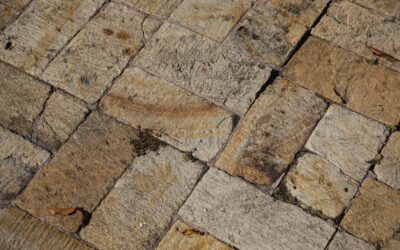
A travertine fireplace wraps your hearth in natural stone that feels warm, earthy, and timeless. Prized for its soft beige, cream, and tan tones and its subtle, flowing texture, travertine turns a fireplace into a genuine architectural focal point. It suits styles from Old World Mediterranean to clean modern, and it brings the organic character only natural stone can offer. Before you commit, though, it is important to understand how travertine performs around heat, how it should be sealed and maintained, and what safe installation requires. This guide covers all of it.
What Travertine Is
Travertine is a form of limestone that forms around mineral springs, which gives it the characteristic small holes and pits that define its texture. It belongs to the same family as marble and limestone and shares their warm, natural coloring, typically ranging from ivory and beige to walnut and gold. Those natural variations mean no two travertine pieces are identical, lending a fireplace surround real depth and individuality. The stone has been used in architecture for thousands of years, which speaks to both its beauty and its durability when properly cared for.
Finishes and Styles
Travertine comes in several finishes, each creating a different look:
- Polished: A smooth, glossy surface that reads refined and reflects light.
- Honed: A matte, satin finish that is popular for its understated, contemporary feel.
- Tumbled: Softened, rounded edges and a rustic, Old World texture.
- Brushed or filled vs. unfilled: Filled travertine has its natural holes filled for a smoother surface, while unfilled keeps its rugged, porous character.
For a fireplace, a filled and honed finish offers a clean look that is easier to keep clean, while tumbled, unfilled travertine delivers a textured, rustic appearance. The surround can be built from large slabs, smaller tiles, or stacked stone-look pieces depending on the style you want.
Travertine and Heat: What You Need to Know
Travertine is a natural stone that tolerates warmth well, but a fireplace involves real safety considerations that go beyond the stone itself. The critical point is clearance: the firebox, insert, or stove has manufacturer-specified clearances to combustible materials, and your surround design must respect them along with local building codes. Travertine is non-combustible, but it should be installed over a proper, heat-rated substrate and not used as a substitute for required fireproof construction. For gas and wood-burning units especially, follow the appliance manufacturer’s instructions to the letter, and have gas units installed or serviced by a qualified professional.
Why Sealing Is Essential
Because travertine is porous, sealing is not optional, it is fundamental to keeping the stone looking good. An unsealed surround readily absorbs soot, smoke residue, oils, and spills, which can stain permanently. A quality penetrating stone sealer fills the pores and creates a barrier that resists staining and makes cleaning far easier. Plan to seal travertine after installation and to reseal periodically, often every one to two years depending on use and the sealer used. Around a fireplace, where soot and heat are constant factors, diligent sealing keeps the stone bright and protected.
Installation Overview
While travertine installation is a project best handled by experienced professionals, understanding the process helps you plan. A typical installation follows these steps:
- Confirm the firebox or insert’s required clearances and ensure the wall structure and substrate are appropriate and code-compliant.
- Prepare a flat, sound, heat-rated backing surface for the stone.
- Set the travertine in a suitable, heat-tolerant mortar or adhesive rated for the application.
- Maintain consistent joints and account for any required gaps near the firebox opening.
- Grout, clean, and then seal the finished stone.
Because a fireplace combines heat, weight, and fire safety, this is not a place to cut corners. Hiring a licensed contractor or experienced mason, and verifying the work against local code, protects both your home and your investment.
Cost Expectations
Travertine fireplace costs vary with the amount of stone, finish, and labor. As a general estimate, travertine tile runs roughly $5 to $15 per square foot, while slab and premium pieces cost more. Professional installation for a fireplace surround typically adds several hundred to a couple thousand dollars depending on size and complexity, and a complete travertine surround project often lands somewhere between $1,500 and $5,000 or more. Treat these as ballpark figures and gather local quotes, since stone selection, design, and labor rates vary significantly by region.
Care and Maintenance
Keeping a travertine fireplace beautiful is straightforward with the right routine. Dust the surface regularly, and clean it with a pH-neutral stone cleaner rather than acidic products like vinegar or citrus, which etch and dull the stone. Wipe up any soot or spills promptly before they can absorb. Reseal on the recommended schedule to maintain stain protection. Avoid abrasive pads that can scratch polished finishes. For any baked-on soot near the firebox, use cleaners formulated for natural stone. With consistent, gentle care, travertine ages gracefully and can last for decades.
Is a Travertine Fireplace Right for You
Design Styles That Suit Travertine
Part of travertine’s appeal is how readily it adapts to different design directions. In a Mediterranean or Tuscan-inspired home, tumbled, unfilled travertine in warm gold and walnut tones reinforces that Old World, hand-built character, often paired with a chunky wood mantel and wrought-iron accents. For a transitional space, honed and filled travertine in soft beige offers a smoother, more refined surround that bridges traditional and contemporary tastes. Modern interiors can use large-format, honed travertine panels with tight joints for a clean, monolithic look that lets the stone’s subtle texture speak quietly.
The surround layout matters as much as the finish. A full floor-to-ceiling travertine wall makes the fireplace a commanding focal point and emphasizes the height of a room, while a more modest surround framed by drywall keeps the stone as an accent. Some homeowners extend travertine to a raised hearth or a built-in seating ledge, which adds function alongside beauty. Coordinate the stone with your mantel material, flooring, and overall palette so the fireplace feels integrated rather than tacked on. Because travertine carries so much natural variation, gather samples and view them in your room’s light before committing, since the same stone can look noticeably different against your walls and flooring.
If you love the warmth and organic character of natural stone and want a fireplace that serves as a striking focal point, travertine is an excellent choice. It offers timeless beauty, rich natural variation, and surprising versatility across design styles. The trade-offs are the need for sealing and careful attention to heat clearances and fire safety. Respect the manufacturer’s specifications, seal the stone properly, lean on qualified professionals for installation, and a travertine fireplace will reward you with lasting elegance at the heart of your home.