
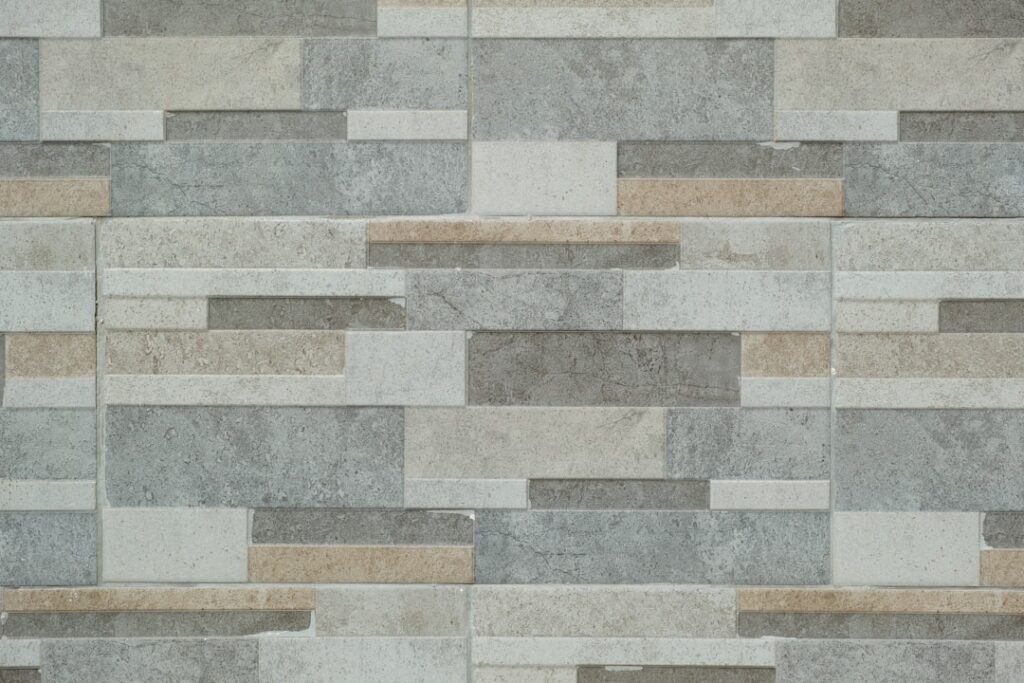
Few materials bring the warm, timeworn character of natural stone quite like a travertine wall, whether it wraps a fireplace surround, clads an accent wall, or dresses a backyard water feature. Formed over thousands of years in mineral hot springs, travertine carries subtle earth-tone banding and a naturally pitted texture that manufactured tile struggles to imitate. Homeowners love it for the same reasons the Romans did — it is durable, timeless, and quietly luxurious.
This guide covers the finishes and formats you can buy, realistic costs, how to seal and install it, and the maintenance that keeps a stone wall looking its best for decades.
What Makes a Travertine Wall Special
Travertine is a form of limestone deposited by mineral springs. As the water evaporates, it leaves behind layered calcium carbonate riddled with tiny gas pockets, which gives the stone its signature pitted, honeycomb texture. Those natural voids can be filled and polished or left open for a rustic look.
The color range runs through ivory, beige, walnut, gold, and silver-gray, with veining that shifts from piece to piece so no two installations look identical. Because it forms in horizontal layers, travertine can be cut two ways — a vein cut across the bedding planes yields a linear, striated look, while a cross cut produces a cloudier, flowery pattern. That variety is part of the appeal, but it also means you should dry-lay pieces before setting them to arrange the color and movement you want.
Finishes and Formats to Consider
The finish you choose sets the entire mood of the wall, from polished and formal to tumbled and old-world. Match it to the room and the amount of upkeep you want to sign up for.
Surface Finishes
- Polished: Glossy and reflective, showing the most color depth; best for low-traffic interior accent walls.
- Honed: A smooth matte surface that hides scratches and etching better than polished; a versatile all-purpose choice.
- Tumbled: Softened, rounded edges and a weathered texture for a rustic or Mediterranean feel.
- Brushed or antiqued: A textured matte look with subtle grip, common for exteriors and outdoor features.
Formats range from standard 12×12 and 18×18 field tiles to stacked-stone ledger panels that come mesh-mounted for fast installation. Ledger panels are especially popular for fireplace surrounds and exterior columns because their staggered, three-dimensional courses read as dry-stacked stone. If you are weighing stone against tile for the same space, our tile flooring resources compare durability and upkeep side by side.
What a Travertine Wall Costs
Material pricing depends heavily on grade and format. Standard filled-and-honed field tile runs $3 to $8 per square foot, premium and specialty cuts $8 to $15, and mesh-backed ledger panels $6 to $12 per square foot. A modest 40-square-foot fireplace surround therefore needs roughly $240 to $600 in stone.
Professional installation adds $8 to $15 per square foot for labor, so an installed accent wall typically lands between $14 and $30 per square foot all in. Extras like a scratch coat over exterior block, a stone-rated thinset, corner pieces, and sealer add to the total, but even the high end usually costs less than full-height marble. Doing the setting yourself can cut the installed price by half if you are comfortable with a wet saw and a level.
Sealing Is Not Optional
Travertine is porous and reactive, and this is the single most important thing to understand before you buy. Acidic liquids — wine, citrus, vinegar, and many household cleaners — will etch and dull the surface, and the open pores readily absorb water and stains if left bare.
Apply a penetrating, breathable stone sealer before grouting and again after, then reseal every one to three years depending on exposure. In a shower or an outdoor feature that gets soaked, lean toward the shorter interval. Test whether resealing is due by dripping a little water on the stone: if it beads, the sealer is intact; if it darkens and soaks in, it is time to reapply.
Installing a Travertine Wall
The process mirrors tile work but demands extra care because natural stone is heavier and less forgiving than ceramic. A solid, flat substrate and the right adhesive make all the difference.
- Prep the surface: Verify the wall is flat, structurally sound, and rated for the added weight; exterior block may need a scratch coat first.
- Dry-lay and seal: Arrange pieces to blend color and veining, then apply the first coat of penetrating sealer so grout does not stain the stone.
- Set the stone: Use a white polymer-modified thinset rated for natural stone to avoid a muddy look bleeding through lighter pieces, and back-butter larger tiles.
- Grout carefully: Choose an unsanded grout for tight joints or a matching sanded grout for wider ones, and wipe promptly to keep haze out of the pits.
- Final seal: Once grout cures, apply a second coat of sealer over the entire wall.
Interior and Exterior Applications
Travertine earns its keep in a surprising range of spots, and matching the finish and format to the location is what separates a lasting install from a maintenance headache. Indoors, a fireplace surround is the classic showcase — the stone tolerates heat well and the texture catches firelight beautifully. Accent walls behind a bed or in an entry add warmth that painted drywall cannot, and a honed travertine wall in a powder room reads as spa-like when properly sealed.
Outdoors, tumbled and brushed finishes shine on exterior columns, garden walls, pool surrounds, and water features, where their slip resistance and freeze-thaw durability matter. In cold climates, confirm the stone is rated frost-resistant and use a breathable sealer so trapped moisture can escape rather than spalling the surface. Shower walls are possible but demanding: they need meticulous waterproofing behind the stone, frequent resealing, and a pH-neutral cleaning routine to prevent etching from soap and hard water.
Where It Performs Best
- Fireplace surrounds: Heat-tolerant, with ledger panels giving a stacked-stone look.
- Interior accent walls: Honed or polished field tile for a refined focal point.
- Outdoor features: Tumbled or brushed finishes for grip and weather resistance.
- Bathrooms: Doable with diligent sealing and neutral cleaners only.
Care and Long-Term Maintenance
Day to day, dust the wall and wipe it with a pH-neutral stone cleaner or plain warm water — never vinegar, bleach, or acidic bathroom sprays. Blot spills quickly, especially anything acidic, and use a soft cloth rather than an abrasive pad. Address a dulled etch mark with a stone polishing compound, and refill any chipped voids with a matching stone filler.
Treated this way, a travertine wall easily lasts the life of the home, developing the gentle patina that makes older stonework so appealing. Bring the same natural-material thinking to floors and other surfaces with our broader home improvement guides.
If a filled travertine develops small open pits over the years, that is normal — the resin or cement filler can pop out under wear. Refill them with a color-matched stone epoxy, level it flush, and reseal the spot, and the repair disappears into the surrounding texture. Keeping a small tube of matching filler on hand makes these touch-ups a five-minute job rather than a call to a stone specialist.
Final Thoughts
A travertine wall is a lasting upgrade that trades a bit of upkeep for genuine, one-of-a-kind character no printed tile can match. Pick a finish that suits the room, budget for sealer and stone-rated thinset, and commit to resealing on schedule. Do that, and you will have a warm, textured focal point — indoors or out — that only looks better with age.


