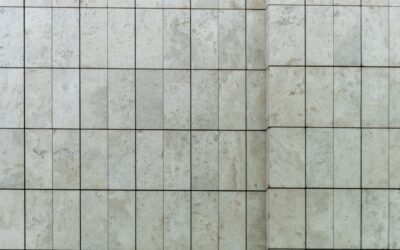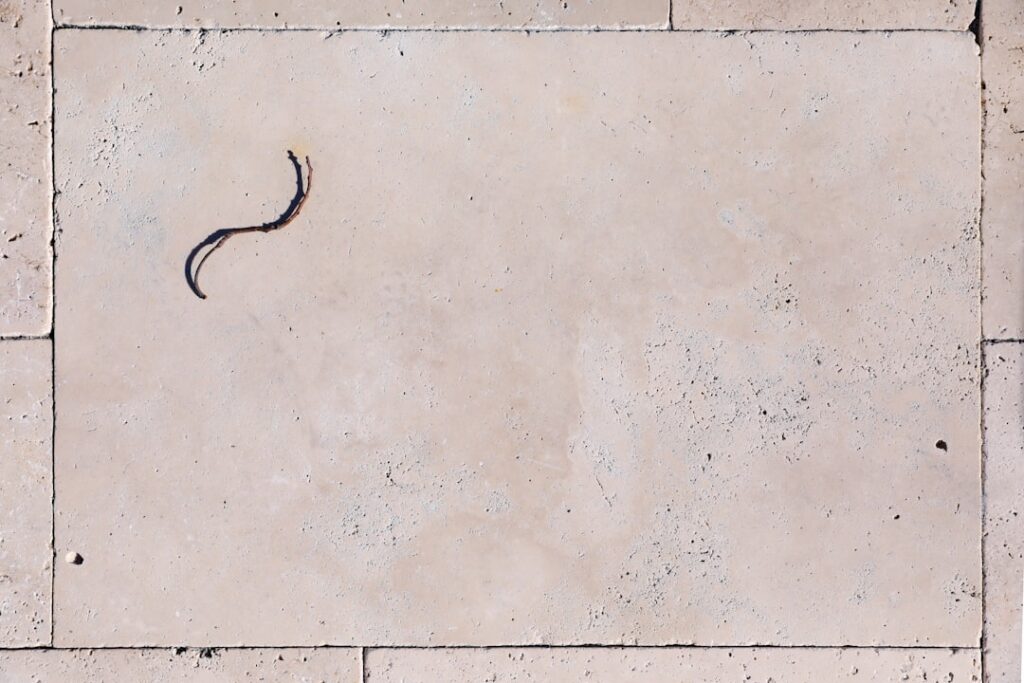
Few materials give a room the grounded, old-world weight that natural stone does, and 24×24 travertine tile delivers that look at a scale most homeowners underestimate. A single tile covers four square feet, so a 200-square-foot living room needs only about 50 pieces instead of the 200-plus you would lay with standard 12x12s. That means fewer grout lines, faster installation, and a floor that reads as one continuous slab of quarried stone rather than a grid.
Part of our Tile & Grout guide — explore the full guide →
Travertine is a form of limestone deposited by mineral springs, and its warm, earthy palette of ivory, walnut, gold, and silver has anchored villas and hotel lobbies for centuries. At the large 24-inch format, that natural variation gets room to breathe. Before you commit, though, you need to understand the finishes, the real costs, the sealing routine, and the quirks that come with laying a heavy, porous stone in big squares.
Why Choose 24×24 Travertine Tile
The large format is the whole point. Bigger tiles create a calmer visual field because there is roughly 60 percent less grout line per square foot compared with 12×12 tile. In an open-concept great room, that unbroken expanse makes the space feel larger and more expensive. Designers favor 24×24 in entryways, kitchens, sunrooms, and covered patios where the eye travels across a wide floor.
Travertine also stays cooler underfoot than porcelain in hot climates, which is why you see it wrapped around pools in Arizona and Florida. It has genuine thermal mass, pairs beautifully with radiant heat, and develops a soft patina over decades rather than looking dated. Each tile is unique, so no two floors are identical.
Travertine Finishes and What They Mean
The finish changes both the look and the maintenance, so choose deliberately:
- Honed: Ground flat to a smooth matte surface with the holes filled. The most popular indoor choice, it hides scratches and offers moderate slip resistance.
- Tumbled: Rounded edges and a rustic, weathered texture. Great for Old-World kitchens and patios, but the open pores need more sealer.
- Polished: Buffed to a low sheen that shows off the crystalline structure. Elegant but slippery when wet and prone to showing etch marks.
- Brushed or antiqued: A textured matte surface with excellent grip, ideal for pool decks and bathrooms.
You will also see “filled” versus “unfilled” tiles. Filled travertine has its natural voids plugged with resin or cement at the factory for a smoother top. Unfilled tiles keep the open pockets for a more organic, textured feel, common on tumbled outdoor pavers.
What 24×24 Travertine Tile Costs
Material pricing for 24×24 travertine typically runs $3 to $9 per square foot for standard commercial-grade stone, with premium select-grade and exotic silver or noce colors reaching $10 to $15 per square foot. Because a tile covers four square feet, expect each piece to cost roughly $12 to $40.
Installation adds another layer. Professional labor for large-format natural stone usually falls between $7 and $14 per square foot because heavy tiles demand a perfectly flat substrate, back-buttering, and careful lippage control. All in, a finished 24×24 travertine floor commonly lands at $12 to $25 per square foot. For a 300-square-foot kitchen, budget roughly $3,600 to $7,500 installed. Outdoor pavers, sold as thicker 1.25-inch units, run a bit higher for material but can be dry-set over gravel.
Where 24×24 Travertine Tile Works Best
Room fit matters at this size. In a 12-by-15-foot living room, a 24×24 layout gives you a clean six-by-seven-and-a-half tile grid with minimal cuts if you plan the starting point well. Large tiles look best in rooms at least 8 feet in one direction; in a cramped powder room barely 5 feet wide, a 24-inch tile forces awkward slivers at the walls.
Great applications include entry foyers, open kitchens, sunrooms, covered lanais, and pool surrounds. Travertine’s slip-resistant honed and brushed finishes make it a favorite for bathroom floors, though you should seal it thoroughly. On patios, the thicker 2 cm pavers handle freeze-thaw better when set on a proper base, but travertine is not ideal for deep-freeze climates where water intrusion and repeated icing can spall the stone.
Installation Tips for Large-Format Stone
Big travertine tiles are unforgiving of a wavy subfloor. Industry guidance calls for substrate flatness within 1/8 inch over 10 feet for tiles 15 inches or larger, so self-leveling underlayment is often required. A few pointers:
- Use a large-format, medium-bed mortar rated for natural stone, and always back-butter each tile to reach 95 percent coverage.
- Notch the trowel to at least 1/2 inch by 1/2 inch to bed the weight of a four-square-foot tile.
- Use tile leveling clips to control lippage; even a 1/16-inch height difference reads as a trip hazard on a shiny floor.
- Offset any brick-pattern layout to no more than one-third, not 50 percent, because slight tile warp causes center lippage on running-bond installs.
- Seal the tiles before grouting so pigment does not stain the porous stone.
Because the stone is heavy, confirm your floor structure can carry the load; a full mortar bed plus stone can add 12 to 15 pounds per square foot.
Sealing and Long-Term Maintenance
Travertine is calcium carbonate, which means acids etch it. Wine, citrus, tomato sauce, and many bathroom cleaners will leave dull spots if left to sit. Protect the floor with a penetrating impregnating sealer, applied at installation and reapplied every one to three years depending on traffic. Do a water-drop test: if water soaks in and darkens the stone within a few minutes, it is time to reseal.
For daily care, sweep or dust-mop grit that would otherwise scratch the surface, and damp-mop with a pH-neutral stone cleaner. Never use vinegar, bleach, or generic tile cleaner. Wipe spills promptly. Filled tiles occasionally lose a resin plug over the years, which you can refill with color-matched epoxy. With this routine, a travertine floor easily lasts decades and only grows more characterful.
How Travertine Compares to Other Large-Format Tile
It helps to weigh 24×24 travertine against the other big-square options crowding the showroom. Porcelain tile is denser, nearly non-porous, and rated for freeze-thaw, so it needs no sealing and shrugs off acids, but even the best travertine-look porcelain lacks the cool touch and true depth of quarried stone. Marble is more luxurious and more fragile, etching and scratching even faster than travertine while costing considerably more.
Slate brings a rugged, cleft texture and strong slip resistance but a darker, cooler palette. If your priority is a warm, sun-washed Mediterranean look with genuine stone character and you accept a modest sealing routine, travertine wins. If you want zero maintenance in a wet or freezing environment, porcelain is the pragmatic pick. Many homeowners split the difference, using real travertine indoors and around covered patios while choosing porcelain for exposed walkways.
Weigh the trade-offs before you buy. On the plus side, 24×24 travertine tile offers timeless natural beauty, unique stone variation, cooler summer temperatures, strong resale appeal, and fewer grout lines than small-format tile. It also pairs well with radiant heat and can be refinished if it dulls.
On the downside, it is porous and needs regular sealing, it etches from acids, it is heavier and pricier to install than porcelain look-alikes, and it demands a very flat substrate. If you want the look without the upkeep, porcelain travertine-look tile is a lower-maintenance alternative, though it lacks the authentic depth and cool touch of the real stone.
Final Thoughts
A well-planned 24×24 travertine tile floor rewards the extra care it asks for. The large format flatters open living spaces, the natural stone brings warmth no printed tile can fake, and with a solid sealing routine it will outlast almost anything else you could put down. Match the finish to the room, insist on a flat subfloor and proper large-format mortar, budget realistically for installed cost, and you will end up with a surface that looks better in ten years than the day it was laid.
Prefer to explore on your own?
See how new flooring looks in your actual room in seconds — free, no signup.
Try the free Floor Studio →