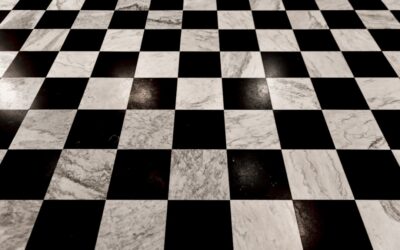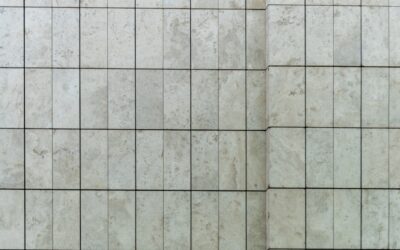
White travertine tile is one of the most requested natural stones for homeowners who want a soft, light, organic look without the cold sterility of pure white porcelain. Travertine is a form of limestone deposited by mineral springs, and its lighter varieties range from creamy ivory to pale beige with gentle gray veining. The result is a surface that feels warm underfoot and timeless on a wall, which is why you see it everywhere from spa-style bathrooms to sun-washed patios.
Before you commit, it helps to understand how this stone is finished, where it performs, and what maintenance it demands, because natural stone behaves very differently from manufactured tile.
What White Travertine Actually Is
Travertine forms over thousands of years as calcium carbonate precipitates out of groundwater, trapping air and creating its signature porous structure. White and ivory travertine comes from deposits with fewer iron and mineral impurities, giving it that pale, clean tone. Because it is a natural product, no two tiles are identical; you will see subtle shifts in color, swirling patterns, and small voids that are characteristic of the stone rather than defects.
This natural variation is part of the appeal. A finished floor reads as soft and dimensional rather than flat, which is hard to fake with printed alternatives.
Finishes and Their Differences
The same white travertine looks dramatically different depending on how the surface is processed. The four common finishes are:
- Honed: A smooth, matte surface that is the most popular choice for floors. It hides etching better than polished stone and offers reasonable slip resistance.
- Polished: Buffed to a low sheen that deepens the color and adds elegance, but it shows scratches and water spots more readily and can be slick when wet.
- Tumbled: Rounded edges and a weathered, rustic texture that suits Old World and Mediterranean designs.
- Brushed or filled: The natural holes are either left open for texture or filled with resin or cement for a smoother, easier-to-clean surface.
Filled and honed tiles are generally the most forgiving for everyday living, while unfilled tumbled tiles bring more character outdoors.
Where White Travertine Tile Works Best
This stone shines in spaces where you want brightness and warmth at the same time. Bathrooms benefit from its spa-like softness, especially on shower walls and vanity backsplashes. Kitchen backsplashes in white travertine pair beautifully with both warm wood and cool quartz countertops.
Outdoors, travertine is a classic pool deck and patio material because it stays cooler than dark stone in direct sun and offers good traction in a tumbled or brushed finish. On floors, it suits foyers, hallways, and living areas, though high-traffic kitchens demand diligent sealing to fend off stains.
Pros and Cons to Weigh
White travertine offers real advantages, but it asks for commitment in return. On the positive side:
- Natural beauty and color depth that manufactured tile struggles to replicate.
- A naturally cooler surface outdoors and a warm feel indoors.
- Repairability, since chips and scratches in stone can often be honed or filled.
The trade-offs are equally important:
- It is porous and must be sealed, then resealed periodically, to resist staining.
- It is sensitive to acids, so wine, citrus, vinegar, and many cleaners can etch the surface.
- It is softer than granite or porcelain and can scratch or chip under heavy abuse.
Cost Expectations
Pricing varies by quality, finish, and source, but as a general guide white travertine tile typically runs from about 5 to 15 dollars per square foot for the material, with premium large-format or specialty-finish tiles climbing higher. Professional installation usually adds another 7 to 15 dollars per square foot depending on your region and the complexity of the layout. Filled and honed tiles often cost a bit more than raw tumbled stock because of the extra processing.
Budget for sealer as well, since you will reapply it over the life of the floor. Treat any figures here as estimates and get local quotes, as natural stone pricing swings with availability and grade.
Sealing and Daily Care
Sealing is non-negotiable with travertine. A penetrating sealer soaks into the pores and slows the absorption of spills, buying you time to wipe them up before they stain. Plan to seal before grouting during installation and to reseal on a schedule the sealer manufacturer recommends, often every one to three years depending on traffic and finish.
For everyday cleaning, use a pH-neutral stone cleaner and avoid anything acidic or abrasive. Vinegar, lemon, bleach, and standard bathroom sprays can dull or etch the surface permanently. Wipe spills promptly, use mats at entries, and place coasters and trivets on travertine countertops or backsplashes near the stove.
How White Travertine Compares to Alternatives
It helps to see where this stone sits among popular options. Compared with porcelain that mimics travertine, the real stone offers genuine depth, cooler outdoor temperatures, and the ability to be refinished, but porcelain wins on stain resistance and zero sealing. Set against marble, white travertine is more affordable and slightly more forgiving of wear, though marble delivers a higher-gloss, more luxurious look. Against polished granite, travertine is softer and warmer in tone but less durable in heavy-use kitchens.
The choice usually comes down to how much maintenance you are willing to accept in exchange for natural character. If you want a low-care surface and never plan to reseal, a travertine-look porcelain may suit you better. If the authentic texture and warmth of natural stone are the whole point, the real material is worth the upkeep. Many homeowners split the difference, using genuine travertine on walls, backsplashes, and low-traffic areas while choosing tougher surfaces underfoot in the busiest rooms.
Installation Notes and Safety
Travertine is heavier and more brittle than ceramic, so the substrate must be flat, rigid, and properly prepared to prevent cracking. Many installers back-butter the stone and use a high-quality thin-set or medium-bed mortar rated for natural stone. Cutting travertine produces fine silica dust, so wear a respirator and eye protection, cut wet when possible, and ventilate the area well.
If you are tackling a large floor or a wet area like a shower, consider hiring an experienced stone installer. Proper waterproofing, slope, and sealing in those spaces are easy to get wrong, and mistakes with natural stone are costly to fix. Done right, a white travertine tile installation rewards you with a surface that looks better with age and brings quiet, natural elegance to your home for decades.
Prefer to explore on your own?
See how new flooring looks in your actual room in seconds — free, no signup.
Try the free Floor Studio →