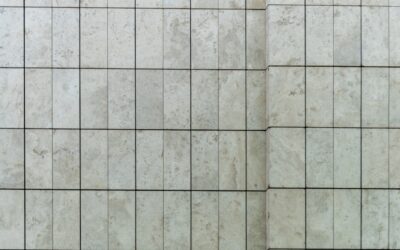
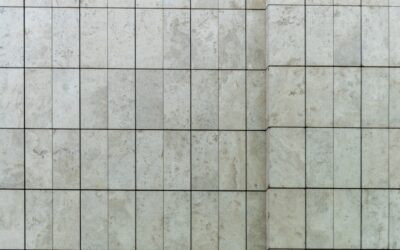
Real Calacatta marble is one of the most coveted stones in the world, quarried in Carrara, Italy, and priced accordingly. Calacatta gold matte porcelain tile delivers that same dramatic look, thick gray and golden veins drifting across a bright white field, at a fraction of the cost and with almost none of the maintenance. The matte finish is the detail many buyers miss: instead of the glossy, reflective face of polished tile, matte reads softer and more natural, hides water spots, and gives better slip resistance underfoot.
Part of our Tile & Grout guide — explore the full guide →
- What Makes Calacatta Gold Different From Carrara
- Why Choose Matte Over Polished Finish
- Common Sizes and Where to Use Them
- What Calacatta Gold Matte Porcelain Costs
- Installation Tips for a Convincing Marble Look
- Cleaning and Long-Term Maintenance
- Porcelain Versus Real Calacatta Marble
- Design Pairings That Bring Out the Gold
What Makes Calacatta Gold Different From Carrara
People often use Calacatta and Carrara interchangeably, but the veining tells them apart. Carrara has fine, feathery gray veins on a slightly grayer background, giving a subtle, quiet effect. Calacatta gold features bolder, more widely spaced veins with warm honey and amber tones running through them, set against a whiter base. That gold cast is why this look pairs so well with brass fixtures, warm wood cabinetry, and cream or beige walls.
Because porcelain versions are printed with high-definition inkjet technology, quality tiles use a dozen or more unique face patterns per run so the veining does not visibly repeat across a floor. When you shop, ask how many distinct faces a given series offers; fewer than eight tends to create an obvious repeating pattern in larger rooms.
Why Choose Matte Over Polished Finish
The finish decision affects both looks and daily living. Polished porcelain shines like real polished marble and makes veins pop, but it shows every footprint, water droplet, and dust mote, and it gets slick when wet. Matte, sometimes labeled “natural” or “honed,” has a low-sheen surface that feels closer to genuine honed marble.
Matte offers real practical advantages:
- Better traction, typically a higher dynamic coefficient of friction, which matters in bathrooms and entryways.
- Fingerprints, hard-water spots, and light scratches are far less visible.
- A calmer, more contemporary appearance that suits both modern and transitional homes.
The tradeoff is that a matte face can hold onto grime slightly more in a busy kitchen, so a good sealed grout and routine mopping keep it looking crisp.
Common Sizes and Where to Use Them
Calacatta gold matte comes in a wide format range, and size drives the whole design. Large planks and slabs minimize grout lines so the marble illusion holds up. Typical options include:
- 12 by 24 inches: the workhorse size for floors and shower walls.
- 24 by 24 and 24 by 48 inches: fewer grout lines for a seamless floor.
- 32 by 32 and larger gauged panels: dramatic feature walls and countertops.
- Mosaic sheets, hexagons, and 2-inch chips: shower floors and accent bands.
This tile works almost anywhere: kitchen floors, full bathroom surrounds, fireplace facings, and even backsplashes. Because porcelain is waterproof and rated for wet areas, it handles curbless showers and steam rooms that would slowly etch real marble. For countertops, look specifically for gauged porcelain slabs rated for that use, since standard floor tile is not the same product.
What Calacatta Gold Matte Porcelain Costs
Pricing lands well below natural stone. Expect roughly $3 to $9 per square foot for mainstream 12-by-24 and 24-by-24 tiles, and $8 to $18 per square foot for large-format planks and premium series with more veining variation. Gauged porcelain slabs for countertops run higher, often $30 to $65 per square foot before fabrication.
Installation adds to the total. Professional tile setting typically costs $8 to $20 per square foot depending on tile size, layout complexity, and your region, with large-format work commanding the upper end because it requires perfectly flat substrate and specialized leveling systems. Budget another $1 to $3 per square foot for thinset, grout, and setting materials. All told, a mid-range bathroom floor and surround often lands between $2,500 and $6,000 installed.
Installation Tips for a Convincing Marble Look
The secret to selling the marble illusion is grout and layout. Choose a grout color that closely matches the tile’s white base, an off-white or pale gray, and keep joints tight, often 1/16 to 1/8 inch, so the lines nearly disappear. A wide, dark grout line broadcasts that the surface is tile, not stone.
Large-format tiles demand a dead-flat substrate; even a 1/8-inch dip across a span can cause lippage, where one tile edge sits higher than its neighbor. Pros use a leveling clip-and-wedge system and a notched trowel sized for the tile, back-buttering each piece for full mortar coverage. Because the veining has direction, lay out tiles dry first and blend faces from multiple boxes so no two identical patterns sit side by side.
Cleaning and Long-Term Maintenance
Maintenance is where porcelain shines against real marble. Marble is calcium-based and etches when acids like lemon juice, wine, or vinegar touch it; porcelain is impervious and shrugs those off. For daily care, sweep or vacuum grit, then mop with warm water and a pH-neutral tile cleaner. Skip vinegar, bleach, and abrasive pads on a matte surface, since harsh scrubbing can dull the finish over time.
The tile itself never needs sealing, but cement-based grout does. Apply a penetrating grout sealer after installation and refresh it every one to two years in wet areas to keep stains and mildew out of the joints. Using epoxy grout instead of cement grout eliminates that step entirely and resists staining, which is worth the higher material cost in a heavily used shower.
For deeper cleaning a few times a year, a soft-bristle brush and an oxygen-based cleaner lift grime from matte texture and grout lines without harming the surface. Blot spills promptly on a countertop application, and use cutting boards and trivets even though the porcelain can technically take heat and knives, because the grout around a countertop is still the weak point. With this simple routine, a matte Calacatta gold floor or wall keeps its bright, marble-like appearance for the full life of the installation, which for quality porcelain is measured in decades rather than years.
Porcelain Versus Real Calacatta Marble
Homeowners weighing this tile almost always compare it to the genuine stone, so it helps to see the tradeoffs plainly. Real Calacatta marble is a natural material with true depth and a slight translucency that even the best printing cannot fully replicate up close. It also costs dramatically more, often $80 to $200 per square foot fabricated and installed for slabs, and it demands ongoing sealing and careful use.
Porcelain wins on nearly every practical measure. It never needs sealing, resists etching from acids, shrugs off scratches, and stands up to freeze-thaw cycles, which makes it usable outdoors and in unheated spaces where marble would crack. The honest concession is that a designer or stone purist standing a foot away may notice the printed surface, especially on a large flat countertop under raking light. For the vast majority of floors, showers, and walls, though, the porcelain reads as convincing marble at a fraction of the lifetime cost and hassle.
There is also a durability gap that matters in busy homes. A dropped cast-iron skillet can chip a marble edge, and a splash of lemon juice left overnight will etch a dull spot into polished marble. Porcelain simply does not have those vulnerabilities, which is why many families with young children choose it for kitchen and bath surfaces without a second thought.
Still, this tile is not the right pick everywhere. In a steep-sloped shower floor or a small wet area, large formats create too few grout lines for safe traction and drainage, so a mosaic or smaller tile with more grout is the better choice underfoot. Consider the substrate too: large planks over a wood subfloor that flexes will crack or delaminate without a proper uncoupling membrane and a dead-flat base. If your floor has any bounce, address the structure first rather than trusting the tile to bridge it, since no tile is designed to span a moving floor.
Design Pairings That Bring Out the Gold
To make the warm veining sing, lean into complementary tones. Brushed brass or champagne bronze faucets echo the gold undertones, while flat-panel white or warm-wood cabinets let the tile stay the star. On walls, a soft greige or warm white paint keeps the palette cohesive without competing.
For contrast, some homeowners pair the light tile with black hardware and matte-black plumbing, creating a crisp, gallery-like look that still feels warm because of the gold veining. Warm wood tones, whether a walnut vanity or white-oak shelving, also play beautifully against the tile and echo the amber notes in the veins. Whatever direction you choose, calacatta gold matte porcelain tile gives you the timeless drama of marble with the toughness of porcelain, a combination that keeps looking expensive long after installation day.
Prefer to explore on your own?
See how new flooring looks in your actual room in seconds — free, no signup.
Try the free Floor Studio →