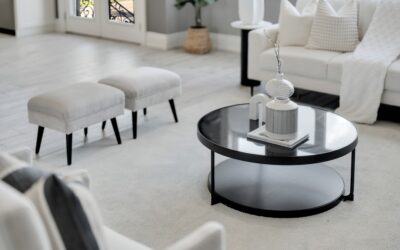
Polished porcelain is porcelain tile that has been mechanically buffed to a high-gloss finish without adding a glaze. The result is a mirror-like surface that reflects light, makes rooms feel larger, and showcases the natural mineral content of the clay body. Polished porcelain dominates the upscale tile market because nothing else delivers the same combination of luxury appearance and through-body durability at $4 to $9 per sq ft retail. The trade-off is a finish that demands respect and the right cleaning routine.
Part of our Tile & Grout guide — explore the full guide →
How Polished Porcelain Is Made
Standard porcelain tile starts as a fine clay mixture pressed into a tile shape and fired at temperatures above 2,200°F. Glazed porcelain gets a layer of liquid glass applied before the final firing. Polished porcelain skips the glaze. Instead, after firing, the surface gets ground flat and then progressively buffed with diamond abrasives until it achieves a glossy finish. The polish is part of the tile body itself.
That manufacturing detail matters. Because there is no glaze layer, polished porcelain wears down to itself rather than wearing through to a different material underneath. A scratch on glazed porcelain reveals the unfinished clay below. A scratch on polished porcelain reveals more polished porcelain.
The Visual and Functional Pros
The mirror finish bounces natural and artificial light around a room, which is why interior designers love it for north-facing spaces and small bathrooms. A 12×24 polished porcelain in a 60 sq ft entryway can make the space read 30 percent larger than the same dimensions in matte tile.
Through-body color and pattern is the other major advantage. Premium polished porcelain mimics Calacatta, Carrara, and Statuary marble with veining that runs through the entire thickness of the tile. Chips and scratches reveal the same pattern, not a different colored substrate. That makes the floor age more gracefully than glazed alternatives over 15 to 25 year lifespans.
The Cons You Need to Know
Slipperiness when wet is the headline concern. Polished porcelain has a Dynamic Coefficient of Friction (DCOF) typically below 0.42, which is the threshold ANSI sets for safe wet surfaces. That means it should not be specified for showers, pool decks, exterior walks, or laundry rooms unless the manufacturer specifically documents a higher slip rating.
Showing every smudge is the second issue. Bare feet, dog noses, and water spots all leave visible marks on the glossy finish. Plan to wipe high-traffic polished porcelain weekly to keep it looking sharp. In a busy household with kids, expect daily attention.
Pricing Across Quality Tiers
Entry-level polished porcelain from chains like Floor and Decor and Lowe’s runs $2.49 to $4.99 per sq ft for 12×24 and 18×18 sizes. Mid-tier product from MSI Surfaces, Daltile, and Marazzi lands at $4.99 to $7.99 with sharper printing, larger format options, and improved rectified edges. Italian and Spanish imports through Bedrosians, Ceramica Sant’Agostino, and Imola hit $7.99 to $14.99 per sq ft for premium book-matched marble looks.
- Budget polished porcelain 12×24: $2.49 to $4.99 per sq ft
- Mid-range marble-look 24×48: $5.49 to $8.99 per sq ft
- Premium Italian polished porcelain: $9.99 to $14.99 per sq ft
- Large format slabs 48×108: $11.99 to $24.99 per sq ft
Installation labor adds $7 to $14 per sq ft for standard sizes, climbing to $14 to $25 for large format slabs that require two-person handling and specialty leveling systems.
Where Polished Porcelain Works Best
Living rooms, formal dining rooms, foyers, and master bedroom retreats are the sweet spots. The slip issue does not apply because these floors stay dry. The visual impact rewards the higher price point in spaces guests actually see and spend time in.
Kitchens are mixed. Polished porcelain looks stunning in a high-end kitchen but shows water spots near the sink and dishwasher. If you choose it for a kitchen, plan for daily spot cleaning and consider a matte version of the same product for the area immediately in front of the sink. Bathroom floors should generally use a textured or matte porcelain instead, with polished reserved for shower walls and accent installations.
Installation Considerations
Subfloor flatness matters more for polished tile than for matte. Lippage between adjacent tiles, where one corner sits higher than the next, becomes visually obvious because the gloss highlights the height difference. Use a tile leveling system on every joint and verify the substrate is within 1/8 inch over 10 feet before laying tile.
Use white thinset on white-bodied polished porcelain. Gray thinset can ghost through translucent tile bodies, particularly on whites and pale grays. Seal the polished surface against grout staining before grouting, then grout, then clean haze immediately. Polished porcelain shows grout haze on day one and you do not want it baked in.
Care and Maintenance
Sweep or vacuum daily with a soft brush attachment. Damp mop weekly with a neutral pH cleaner like Aqua Mix Concentrated Stone and Tile Cleaner or Miracle Sealants Tile and Stone Cleaner. Avoid acidic cleaners including vinegar, citrus-based degreasers, and bathroom cleaners with hydrochloric acid. They etch the polished surface even though the tile body itself is acid-resistant.
Reseal the grout lines every 18 to 24 months with a penetrating sealer. The tile itself does not require sealing, but the grout absorbs spills and eventually stains without periodic reapplication. Use felt pads on furniture legs to prevent scratching, and a walk-off mat at every exterior entrance to capture grit before it scratches the gloss.
Comparing to Alternatives
Versus polished marble, polished porcelain wins on cost, durability, and stain resistance. Marble etches under any acid, including red wine and tomato sauce. Polished porcelain shrugs off all of it. Versus glazed ceramic, polished porcelain wins on long-term wear because it does not show through to a different substrate when scratched.
Versus matte porcelain, polished delivers a more dramatic visual but demands more maintenance and limits where it can be safely installed. For a primary residence with a 20-plus year ownership horizon, the additional cleaning labor is usually justified by the appearance. For a short-term rental or flip, matte porcelain is the lower-maintenance choice.
Final Thoughts
Polished porcelain remains the best value in luxury tile flooring when used in the right rooms. Match the product tier to the space’s visibility, hire an installer experienced with rectified large-format tile, and commit to the regular maintenance routine. Done correctly, the floor looks better at year 15 than the cheaper alternatives looked at year 5.
Prefer to explore on your own?
See how new flooring looks in your actual room in seconds — free, no signup.
Try the free Floor Studio →