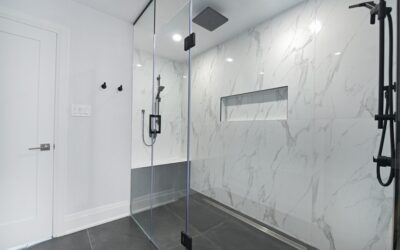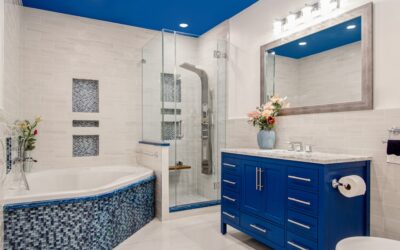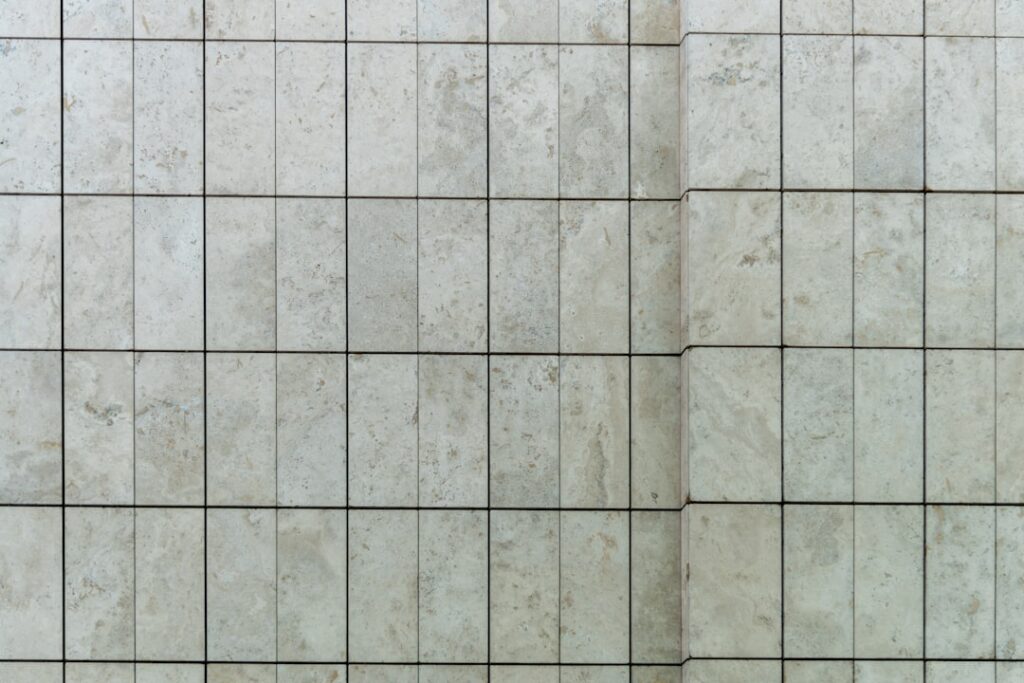
If you’ve spent any time scrolling kitchen and bathroom remodels, you’ve seen calacatta marble tile even if you didn’t know its name. It’s the bright white stone with dramatic, often gold or gray veining that runs in thick, painterly strokes. Designers reach for it when they want a space to look expensive, and it does. But Calacatta is also routinely confused with cheaper Carrara, faked in printed porcelain, and ruined by owners who treat it like granite. Here’s what you actually need to know before you commit thousands of dollars to it.
What Calacatta Actually Is
Calacatta is a natural marble quarried in the Apuan Mountains near Carrara, Italy. It is genuinely rare, which is why it commands a premium over the more common Carrara marble that comes from the same region. The defining trait is contrast: a clean, bright-white background crossed by bold, thick veins in gray, gold, or taupe. Carrara, by comparison, is grayer overall with softer, feathery veining. If the veins are dramatic and the background is white rather than gray, you’re likely looking at Calacatta.
Because every slab is cut from a unique block of stone, no two Calacatta tiles are identical. That variation is the appeal, but it also means you should hand-select tile or view the actual slab when possible rather than ordering sight unseen.
Where It Works Best
Calacatta shines in places where it gets admired more than abused. Strong choices include:
- Bathroom walls and shower surrounds — vertical surfaces see almost no etching or scratching.
- Backsplashes — high visibility, low contact, easy to keep dry.
- Accent floors and powder rooms — low-traffic areas where the look pays off.
- Fireplace surrounds and tub decks — focal points that stay relatively clean.
I’m more cautious about Calacatta on kitchen floors and busy entryways. Marble is a calcium carbonate stone, which means acidic spills like lemon juice, wine, and tomato sauce will etch dull spots into a polished surface even when it’s sealed. It’s not a deal-breaker, but you have to accept that the stone will develop a lived-in patina.
What It Costs
Calacatta sits at the upper end of natural stone pricing because of its rarity. As a rough guide, expect tile in the range of $15 to $50 per square foot for the material alone, with premium book-matched slabs running considerably higher. Installation by a qualified stone setter typically adds $10 to $20 per square foot, more for intricate patterns or large-format slabs that need extra labor and equipment to handle. Don’t skimp on the installer; cutting and setting marble cleanly is a real skill, and a botched job shows immediately on a high-contrast stone.
Polished vs. Honed Finish
The finish you choose changes both the look and the maintenance:
- Polished gives the glossy, reflective surface most people picture. It makes the white pop and the veins read sharp, but it shows etching and scratches more obviously.
- Honed is a matte, satin finish. It hides etching far better because the surface is already non-reflective, which makes it the smarter pick for floors and kitchen applications.
For a primary bath floor or any kitchen use, I almost always steer homeowners toward honed Calacatta. You give up a little drama and gain a lot of forgiveness.
Sealing and Care
Calacatta is porous and must be sealed. Use a quality impregnating (penetrating) stone sealer at installation, then reseal roughly once a year, or whenever water stops beading on the surface and starts darkening the stone instead. Sealing slows staining; it does not stop etching, since etching is a chemical reaction with the calcium in the stone, not a stain sitting on top.
For daily cleaning, use only pH-neutral stone cleaner or plain warm water with a microfiber cloth. Never use vinegar, lemon-based cleaners, or generic bathroom sprays; the acids dull the surface. Wipe spills immediately, especially anything acidic. Keep a cutting board down in the kitchen and coasters under glasses. These habits are the difference between a marble surface that ages gracefully and one that looks blotchy in a year.
Porcelain That Looks Like Calacatta
If you love the look but not the upkeep, porcelain tile printed to mimic Calacatta has come a long way. High-definition inkjet printing now reproduces the white field and bold veining convincingly, and porcelain is non-porous, doesn’t etch, never needs sealing, and shrugs off acids. It also costs less, often $4 to $12 per square foot for quality lines. The trade-offs are that the veining doesn’t run through the body of cheaper tiles, so chips can reveal a different color underneath, and a trained eye can tell it from real stone up close. For a busy kitchen floor or a rental, though, porcelain is often the smarter long-term choice.
Calacatta vs. Carrara vs. Statuario
These three white Italian marbles get used interchangeably, but they’re distinct and priced differently. Knowing which you’re actually buying protects you from overpaying or being disappointed:
- Carrara: The most common and affordable. Grayer overall background with soft, feathery, linear veining. A safe, subtle choice.
- Calacatta: Rarer and pricier. Whiter background with bold, dramatic veins in gray, gold, or taupe. The high-contrast designer favorite.
- Statuario: Also premium, with a bright white field and bold gray veining, often even more striking than Calacatta.
If a “Calacatta” tile looks gray and softly veined, it may actually be Carrara marketed under a more glamorous name. Look for the bright-white field and bold, painterly veins that define true Calacatta.
Installation Tips That Make a Difference
Because every Calacatta slab is unique, a few practices separate a stunning install from a chaotic one. Lay out all your tile dry before setting anything and arrange the veining intentionally, many designers book-match adjacent pieces so the veins mirror each other like an open book. Use a white thinset rather than gray, since the dense, slightly translucent stone can let darker mortar show through and shadow the surface. Keep grout lines tight and choose a grout color that matches the stone’s base so the joints disappear. These details are where the cost of a skilled stone setter pays off.
Is Calacatta Marble Tile Right for You?
Choose genuine Calacatta if you want unmatched natural beauty in a relatively protected space and you’re willing to treat the stone with a little respect. Go with a honed finish for anything that gets used hard, seal it on schedule, and stick to pH-neutral cleaners. If your lifestyle is rough on surfaces or your budget is tight, a high-quality Calacatta-look porcelain delivers most of the visual impact with none of the etching anxiety. Either way, going in with clear expectations is what keeps you happy with the result years down the line.
Prefer to explore on your own?
See how new flooring looks in your actual room in seconds — free, no signup.
Try the free Floor Studio →