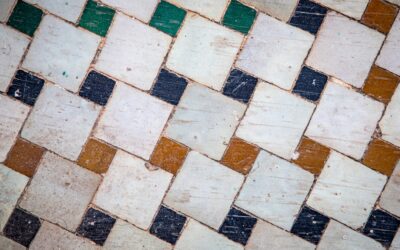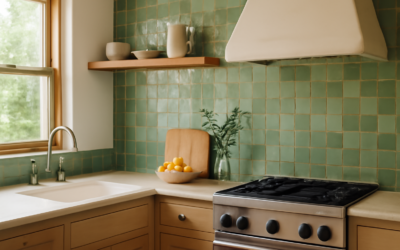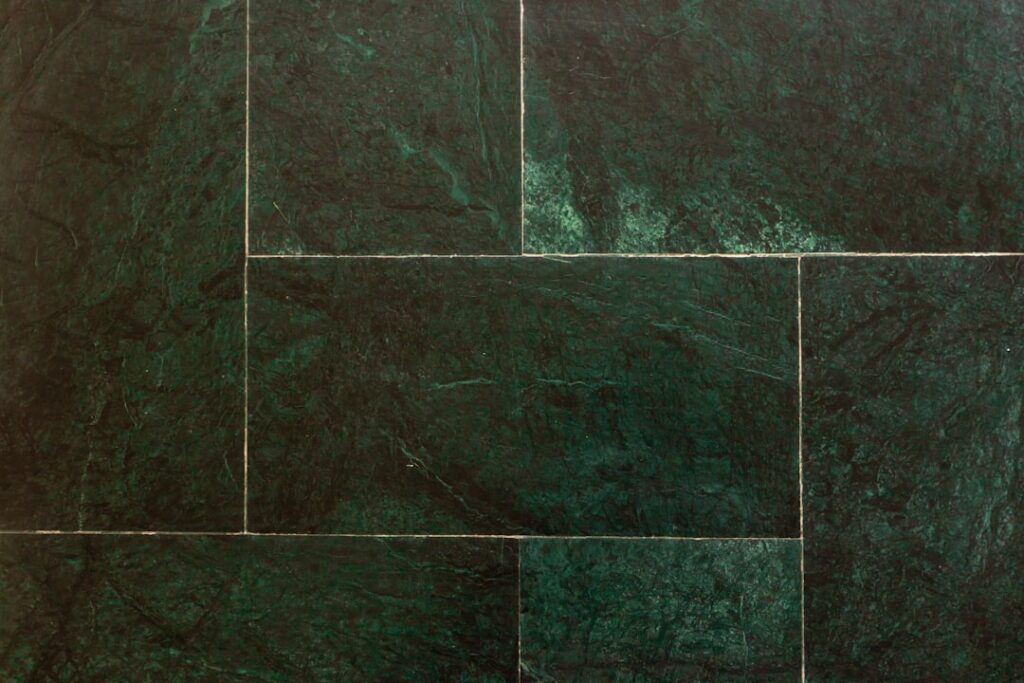
Authentic Moroccan zellige is stunning, hand-cut, glazed clay with a rippled, glassy surface that catches light in a way factory tile never quite matches. It is also expensive, slow to source, and demanding to install, which is why a zellige tile look alike has become one of the most searched-for choices in kitchen and bathroom design. A well-made zellige tile look alike captures the irregular glaze, tonal variation, and artisanal edges of the real thing at a fraction of the price and lead time.
Part of our Tile & Grout guide — explore the full guide →
The trick is knowing which imitations actually convey that handmade character and which look flat and obviously mass-produced. This guide breaks down the material options, price ranges, telltale quality markers, and where these tiles work best so you can get the coveted look without the coveted headaches.
What Makes Real Zellige Special
Genuine zellige is made in Fez, Morocco, from natural gray clay that is hand-shaped, sun-dried, kiln-fired, hand-glazed, and then chiseled into shape. The result is a tile with slightly uneven edges, pinholes and crazing in the glaze, and dramatic color shifts across a single batch. No two pieces are identical, and that variation is the entire point.
Those same qualities make authentic zellige hard to live with. It runs $25 to $50 per square foot, ships slowly, and its irregular thickness demands a skilled installer who can lace pieces together with tight, near-invisible grout lines. For many homeowners, a convincing imitation delivers 90 percent of the look with none of that difficulty.
Types of Zellige Look-Alike Tile
Manufacturers now produce several categories of imitation, each mimicking a different aspect of the original.
- Glazed ceramic dupes: The closest in spirit. Slightly imperfect, glossy, and tonally varied, often made in small square or rectangle formats matching real zellige sizes.
- Porcelain zellige-look: Digitally printed to reproduce the glaze variation and undulating surface, with the durability and consistent thickness of porcelain.
- Glass tile: Reflective and colorful, glass captures zellige’s light-play but reads more modern and uniform.
- Handmade-style crackle tile: Emphasizes the crazed, cracked glaze finish for a vintage feel.
Small-format square tiles, roughly 2 by 2 inches up to 4 by 4 inches, sell in the coveted rectangles known as beveled or “chiclet” tile, which most closely echoes the traditional zellige module.
Ceramic vs. Porcelain vs. Glass
Handmade or semi-handmade ceramic gives the most authentic result because it retains genuine surface irregularity and glaze pooling. It costs roughly $8 to $18 per square foot, far below the real thing, and works beautifully on walls and backsplashes. Its downside is softer glaze that can scratch, so it is not ideal for floors.
Porcelain look-alikes are the practical middle ground. Digital printing has improved to the point that a good porcelain zellige tile convincingly fakes the tonal shifts, and porcelain’s density makes it suitable for floors, showers, and high-traffic spots. Expect $6 to $14 per square foot. Glass tile, at $10 to $25 per square foot, offers the boldest color and shine but the most uniform, least handmade appearance, so it suits homeowners who love the palette more than the imperfection.
How to Spot a Convincing Dupe
Not all imitations are created equal. When shopping, look for these markers of a believable zellige tile look alike:
- Glaze variation within the box: Good dupes shift color piece to piece. Perfectly uniform tiles look flat and artificial.
- Surface undulation: Run your hand across a sample. A gentle ripple or gloss variation reads far more like the real thing than a dead-flat face.
- Multiple face patterns: Quality printed tiles use 8 to 20 different faces so no repeat is obvious across a wall.
- Slightly imperfect edges: A hint of edge variation mimics the hand-chiseled look; laser-straight rectified edges look too machined.
- A glossy, reflective glaze: The signature light-catch depends on sheen, so avoid matte finishes if authenticity is the goal.
Best Places to Use It
Kitchen backsplashes are the number-one home for zellige-look tile, where the glossy, variegated surface adds depth behind a range or sink. Bathroom walls, shower niches, and powder-room accent walls also shine, since the reflective glaze brightens small spaces. A fireplace surround or a laundry-room backsplash makes a striking feature.
Use porcelain versions if you want the look on a floor or shower pan, where ceramic glaze would wear. For a full accent wall, order all your tile from a single production lot so the color story stays consistent, and mix pieces from several boxes as you set them to spread the natural variation evenly rather than clustering dark or light tiles.
Installation and Grout Tips
Because look-alike tiles are more consistent in thickness than authentic zellige, they install like standard wall tile, which is a major advantage. Still, a few choices make or break the finished look. Keep grout lines tight, about 1/16 to 1/8 inch, to echo the laced-together traditional appearance.
Grout color dramatically changes the effect. A matching or slightly lighter grout lets the tiles blend into a soft field, while a contrasting darker grout outlines each piece and emphasizes the handmade module. For glossy glazes, use an unsanded grout to avoid scratching the surface. Seal cement grout after curing, and dry-lay a section first so you can arrange the color variation to your eye before committing to thin-set.
Cost Comparison and Value
The savings are the headline. Where authentic zellige lands at $25 to $50 per square foot before labor, look-alikes range from $6 to $25 depending on material. On a 30-square-foot backsplash, that can mean $180 to $750 in tile instead of $750 to $1,500, plus lower installation cost because the tiles set faster and truer.
Factor in the intangibles too: no long import lead times, no lot-to-lot sourcing gambles, and easier future repairs since you can reorder consistent stock. For most homeowners chasing the Moroccan aesthetic, a quality dupe is not a compromise so much as a smart, durable version of a beautiful idea.
Color Choices That Read as Authentic
Traditional zellige comes in a signature palette, and choosing those hues helps a dupe feel genuine. Classic whites and off-whites with subtle green or gray undertones are the most versatile and the hardest to get wrong. Deep emerald and forest greens, terracotta and rust, warm mustards, and inky navy and black all belong to the authentic zellige story and photograph beautifully behind a range or vanity.
Avoid flat, saturated colors that look printed rather than glazed; the magic of zellige is tonal movement within a single color family, not one uniform shade. If you are torn, a warm white or soft sage is the safest choice for resale, while a bold green or terracotta accent wall makes the most of the handmade look. Order a physical sample of any color before buying a full order, since screens distort the subtle undertones that make these tiles convincing.
Common Mistakes to Avoid
The biggest error is buying a tile that is too perfect. Rectified, dead-flat, single-face porcelain in a glossy color may be marketed as “zellige-look,” but with no variation it reads as ordinary subway tile. Always confirm the product offers multiple faces and genuine tonal shift before ordering. A second common misstep is pairing a beautiful dupe with a wide, contrasting grout line that turns the wall into a rigid grid and erases the laced, handmade feel.
Homeowners also underestimate lighting. A matte finish under flat overhead light kills the light-play that defines zellige, so keep the glaze glossy and add a light source that grazes the surface. Finally, do not skip dry-laying: pulling from several boxes and arranging the color variation by eye prevents dark or light tiles from clustering awkwardly once the thin-set is down.
Final Thoughts
A zellige tile look alike lets you bring handmade Moroccan character into a kitchen or bath without the price, wait, or installation difficulty of the original. Prioritize glaze variation, surface ripple, multiple face patterns, and a glossy finish when you shop, choose porcelain for wet or high-traffic zones and ceramic for walls, and mix from several boxes as you set. Done well, the result is warm, luminous, and nearly indistinguishable from the real thing.
Prefer to explore on your own?
See how new flooring looks in your actual room in seconds — free, no signup.
Try the free Floor Studio →