Few materials carry the quiet warmth of handmade ceramic, and 4×4 zellige tile may be the most beloved example working its way into modern kitchens and baths. These small, glossy squares are made the traditional Moroccan way, and their rippling, imperfect surfaces catch light in a way that machine-made tile simply cannot. If you have been drawn to those luminous, watercolor-like backsplashes flooding your feed, you have almost certainly been looking at zellige.
Part of our Tile & Grout guide — explore the full guide →
What Is Zellige Tile, Exactly?
Zellige (also spelled zellij or zillij) is a form of glazed terracotta tile that has been produced in Morocco for centuries, historically in the city of Fez. Artisans shape the tile from natural, non-refined clay, dry it in the sun, fire it in wood-burning kilns, hand-dip it in glaze, and fire it again. Because every step is done by hand, no two pieces are identical. The 4×4 size is one of the most popular formats for contemporary interiors because the squares are large enough to install efficiently but small enough to preserve that intimate, artisanal grid.
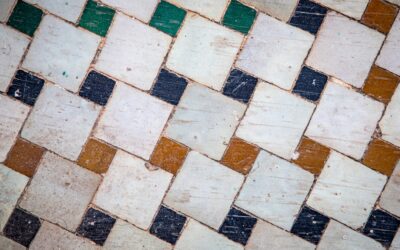
The signature look comes from the clay body and the glaze reacting unpredictably in the kiln. You will see pinholes, glaze pooling, subtle cracks in the finish (called crazing), and dramatic shade variation from tile to tile. These are not defects. They are the entire point, and manufacturers of authentic zellige will tell you plainly that a uniform box is not what you are buying.
Why Homeowners Love the 4×4 Format
The 4×4 zellige tile hits a sweet spot for residential projects. It reads as handmade without looking overly rustic, and it suits both grid and offset layouts. Designers reach for it constantly because:
- The scale works on backsplashes, shower walls, fireplace surrounds, and accent niches.
- The reflective glaze bounces natural light, making small rooms feel brighter.
- Color depth shifts throughout the day, so a single wall never looks flat.
- It pairs beautifully with natural stone counters, brass fixtures, and warm wood.
Because the squares are modest in size, they also curve gently around inside and outside corners better than large-format tile, which is helpful in older homes where walls are rarely perfectly plumb.
Real Costs to Budget For
Authentic, imported zellige is a premium material, and pricing reflects the labor behind it. Expect roughly $25 to $50 per square foot for genuine Moroccan zellige, with rare or deeply saturated glazes climbing higher. Domestic or zellige-style tiles that mimic the look with more consistent glazing typically run $15 to $30 per square foot. Ceramic “zellige-look” tile made on a production line can be found for $8 to $15, though it loses much of the handmade character.
Installation adds meaningfully to the total. Because the tiles vary in thickness and dimension, setting them well takes patience, so labor often runs $15 to $30 per square foot depending on your region and the complexity of the layout. Always order 15 to 20 percent extra to account for breakage, cutting, and the natural culling of pieces you decide not to use.
Choosing Colors and Finishes
Zellige comes in an enormous range of glazes, from soft, chalky whites to deep emerald, cobalt, ochre, and near-black. Lighter tones show the most translucency and glaze movement, while saturated colors deliver drama and hide minor grout staining better. A few guiding thoughts:
- Whites and creams feel timeless and let the surface texture do the talking.
- Greens and blues bring the boldest color shift and read differently under warm versus cool lighting.
- Earthy terracotta and mustard tones lean Mediterranean and pair with unlacquered brass.
Order a physical sample box before committing. Photos flatten the depth that makes zellige special, and glaze lots vary, so what you approve should come from stock close to what you will install.
Installation Tips and Grout Choices
Setting 4×4 zellige tile rewards a tile setter who understands its quirks. The tiles are usually installed with tight joints, often around 1/16 inch, letting the pieces nearly touch so the handmade edges create a subtle, undulating grid. Because thickness varies, a good installer back-butters each tile and constantly checks the surface for lippage. Rushing this step produces an uneven wall that catches shadows unpleasantly.
Grout color dramatically changes the result. A matching or slightly lighter grout keeps the surface serene and lets the glaze variation shine. A contrasting grout emphasizes the grid and the hand-cut edges, which some homeowners love and others find busy. Unsanded grout is typical for these narrow joints. Seal the grout after it cures to keep kitchen and bath areas easy to clean.
Where 4×4 Zellige Works Best
This tile is happiest on walls. Kitchen backsplashes are the classic application, where the glossy squares frame a range or run to the underside of the cabinets. In bathrooms, zellige transforms shower surrounds, tub aprons, and vanity backsplashes into focal points. It also shines on fireplace surrounds and as a jewel-box accent inside built-in niches.
On floors, tread carefully. Traditional zellige is relatively soft and the glaze can wear or scratch under foot traffic, so most manufacturers recommend it for walls and light-use surfaces rather than busy floors. If you adore the look underfoot, choose a porcelain zellige-look tile rated for floors instead.
Caring for Zellige Over Time
Day-to-day maintenance is refreshingly simple. Wipe the glazed surface with a soft cloth and mild soap; the fired glaze resists water and most kitchen splatters. Avoid harsh abrasives that could dull the finish. The crazing you may notice in the glaze is purely cosmetic and does not compromise the tile. Keeping the grout sealed does more for long-term cleanliness than fussing over the tile itself.
Because zellige is fired terracotta, it can chip if struck hard, so handle spare tiles carefully and keep a few extras from your original order. Matching a new lot later is nearly impossible, which is another reason to over-order at the start.
Authentic Zellige Versus Zellige-Look Tile
As zellige has surged in popularity, the market has filled with imitations, and understanding the spectrum helps you spend wisely. At the top sits genuine handmade Moroccan zellige, with all its glaze movement, thickness variation, and one-of-a-kind character. In the middle are handmade or semi-handmade tiles from other regions that capture much of the artisanal feel at a somewhat lower price. At the accessible end are machine-made ceramic and porcelain tiles printed and glazed to mimic the zellige look, offering consistency and easy installation but sacrificing the depth that makes the real thing special.
Which is right for you depends on your priorities. If you want the authentic soul of the material and are prepared for its quirks and cost, buy the real thing and hire an installer who has worked with it before. If you love the aesthetic but need a floor-rated, budget-friendly, or perfectly uniform surface, a quality zellige-look porcelain is a legitimate and practical choice. A few questions to ask before buying:
- Is this tile genuinely handmade, or a production-line reproduction?
- Is it rated for the surface I intend, especially if I want it on a floor?
- How much shade and thickness variation should I expect within a lot?
- Is matching bullnose or trim available for finishing exposed edges?
Being clear-eyed about what you are buying prevents disappointment. Homeowners who expect factory uniformity from authentic zellige are often surprised, while those who understand and embrace the handmade nature end up delighted with exactly the surface they hoped for.
Final Thoughts on 4×4 Zellige Tile
Choosing 4×4 zellige tile means embracing imperfection as a feature rather than a flaw. The shade variation, the glaze pooling, the gentle waviness of each edge are exactly what give these Moroccan tiles their soul. Budget for the premium price and the skilled installation they demand, order generous overage, and lean into a color that speaks to you. Done right, a zellige wall becomes the kind of surface people instinctively reach out to touch, and it will look as compelling a decade from now as it does on installation day.
Prefer to explore on your own?
See how new flooring looks in your actual room in seconds — free, no signup.
Try the free Floor Studio →