The 4×4 tile is a small-format classic that has quietly made a comeback. Once associated with dated 1980s bathrooms, the four-inch square is now showing up in retro-modern kitchens, statement backsplashes, and shower walls precisely because of its crisp grid look. This small tile brings character and flexibility, but it also means more grout and more tiles to set, so it helps to understand where it shines before you commit.
What Counts as a 4×4 Tile
A 4×4 tile measures roughly four inches square. The actual size is usually a hair under the nominal four inches to account for grout joints, which is normal across the tile industry. You will find 4×4 tiles in several materials, each suited to different jobs:
- Ceramic: The most common and affordable, great for walls and backsplashes.
- Porcelain: Denser and more water resistant, suitable for floors and wet areas.
- Glass: Bright and reflective, popular for accent backsplashes.
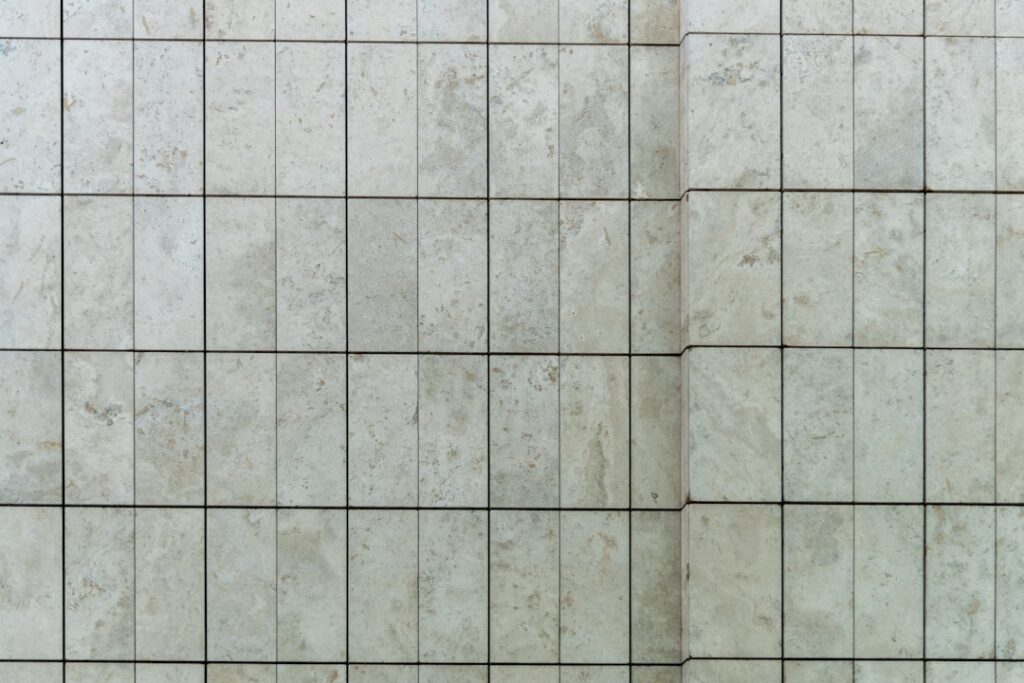
- Natural stone: Marble, travertine, or slate squares for a high-end look.
Where 4×4 Tile Works Best
The small square excels on walls and vertical surfaces, where its tight grid reads as clean and deliberate. Kitchen backsplashes, shower surrounds, accent walls, and bathroom wainscoting are all natural fits. The repeating square pattern adds visual texture without the busyness of mosaic sheets.
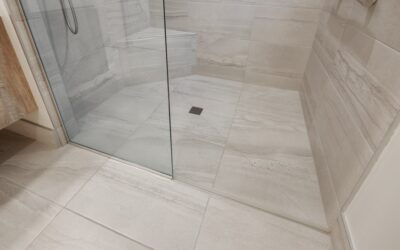
On floors, 4×4 porcelain works well in smaller spaces and wet areas. The extra grout lines actually improve traction, which is why small tiles are common on shower floors and entryways. The main consideration for floors is choosing a porcelain or stone rated for the wear, and accepting that you will be cleaning more grout than you would with large-format tile.
Grout, Layout, and Design
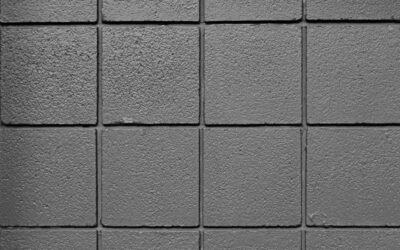
Because 4×4 tile has more joints per square foot than larger tile, grout color becomes a major design decision. A matching grout makes the surface read as a smooth field, while a contrasting grout emphasizes the grid for a bold, graphic effect. White tile with dark grout is a popular high-contrast look, but remember that lighter grout shows dirt and needs more upkeep.
Layout choices change the personality of the same tile:
- Straight grid (stacked): Clean, modern, lines up corner to corner.
- Diagonal: Set on a 45-degree angle for a diamond pattern that makes spaces feel larger.
- Offset or running bond: Each row shifted, softening the grid and hiding minor imperfections.
Calculating How Many You Need
A 4×4 tile covers about 0.111 square feet each, which means roughly 9 tiles per square foot before grout joints. To estimate quantity, measure your area in square feet, multiply by 9, then add 10 percent for cuts and breakage, or 15 percent for diagonal layouts that produce more waste. For example, a 30 square foot backsplash needs about 270 tiles plus the overage, so plan on roughly 300. Always buy from the same dye lot and keep a few spares for future repairs.
What 4×4 Tile Costs
Pricing varies widely by material. Basic ceramic 4×4 tile often runs $1 to $4 per square foot, porcelain typically $3 to $8, glass $7 to $20, and natural stone $5 to $20 or more. Professional installation generally adds $7 to $15 per square foot, and small-format tile can cost a bit more to install because of the extra tiles and grout work involved. Budget for thinset, grout, spacers, and a sealer if you choose stone.
Installation Tips
Small tile is forgiving for beginners because individual cuts are easy to handle, but the volume of tiles means patience pays off. Use consistent spacers to keep grout lines even, since any drift is obvious in a tight grid. Work in small sections so the thinset does not skin over before you set tiles, and check your alignment frequently with a level. Many 4×4 tiles come loose, though some sheet-mounted versions speed installation. Seal natural stone before grouting to keep grout haze from staining the surface.
Caring for a 4×4 Tile Surface
The main upkeep with small-format tile is the grout, since there is simply more of it. Wipe tiled walls and backsplashes with a soft cloth and a pH-neutral cleaner, and avoid harsh acids on natural stone, which can etch the surface. On floors, sweep regularly and damp mop with a tile-safe cleaner. The grout lines will eventually show dirt, especially if you chose a light color, so seal cement-based grout after installation and reseal it periodically to keep it stain-resistant and easier to clean. A grout brush and a little oxygen-based cleaner restore dingy lines when needed.
Is 4×4 Tile Right for You
The 4×4 tile makes the most sense when you want a clean, retro-leaning grid and do not mind a bit more grout maintenance. It is an excellent choice for backsplashes, shower walls, and small floors where its traction and character shine. If your priority is the fewest grout lines and the easiest cleaning, a large-format tile may suit you better, but if you love a crisp, deliberate pattern with timeless appeal, the four-inch square is a smart, flexible pick that works in nearly any room.
Final Thoughts
Design Ideas for 4×4 Tile
Beyond a plain field, the four-inch square lends itself to creative looks. Mix two colors in a checkerboard for a retro kitchen, or run a band of accent tiles across an otherwise neutral backsplash. A diagonal field behind a range turns a simple surface into a focal point. In bathrooms, white 4×4 tile with a contrasting pencil-liner border captures a classic, timeless feel that suits both vintage and modern homes. Glossy glass squares can brighten a dim kitchen by bouncing light, while matte stone squares bring an earthy, spa-like calm to a shower.
The small format also pairs well with other tile sizes. A common approach is using 4×4 tile on the walls and a complementary larger tile or mosaic on the floor, tying the room together without making it feel busy. Because the square is so neutral in shape, it gives you freedom to be bold with color and pattern, or to keep things quiet and let the grid texture do the work.
The 4×4 tile is a versatile, characterful choice that ranges from budget-friendly ceramic to luxe natural stone. It looks especially sharp on backsplashes and shower walls, gives good traction underfoot, and lets you play with grout color and layout to set the mood. Plan for the extra grout maintenance, calculate quantities with a comfortable overage, and this small square will deliver a timeless, custom look.
Prefer to explore on your own?
See how new flooring looks in your actual room in seconds — free, no signup.
Try the free Floor Studio →