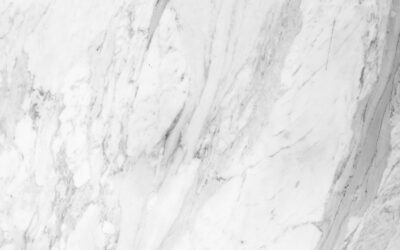
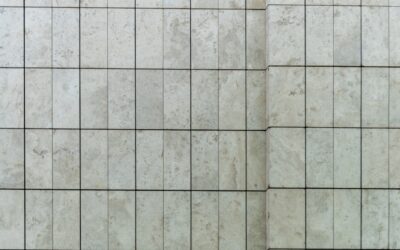
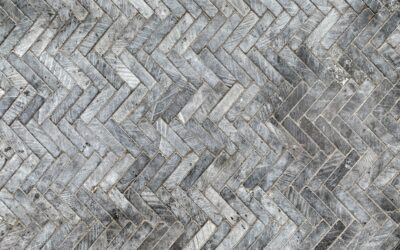
Few materials announce luxury the way marble wall tile does. The soft veining, the cool stone surface, and the way light plays across a polished slab have made marble a symbol of timeless elegance from ancient temples to modern spa bathrooms. If you are dreaming of a feature wall or a showpiece shower, marble belongs on your shortlist.
Part of our Countertops guide — explore the full guide →
This guide covers what makes marble special, the finishes and colors you can choose, realistic costs, the best places to use it, and how to install and care for it so its beauty lasts. By the end you will know how to bring marble wall tile into your home with confidence.
What Makes Marble Wall Tile Special
Marble is a natural metamorphic stone formed when limestone is transformed by heat and pressure over millions of years. That geological history gives every tile a one-of-a-kind pattern of veins and crystals, so no two installations ever look exactly alike. Where manufactured tiles repeat, marble surprises.
On a wall rather than a floor, marble shows its strengths and hides its weaknesses. Walls take far less abrasion and impact than floors, so the relative softness of marble matters less, while its visual drama gets to shine at eye level. That is why designers love marble for backsplashes, shower surrounds, and accent walls even when they would hesitate to use it underfoot.
Marble also brings a quality that photographs rarely capture: depth. Light penetrates slightly into polished stone before it reflects back, giving the surface a soft inner glow that flat, printed tiles cannot replicate. The veining is genuine mineral movement frozen in the stone, not a pattern stamped on a glaze, so it reads as authentic from a foot away or across the room. Because the slabs cut from a single block come off in sequence, a skilled installer can book-match adjacent tiles into a mirrored, symmetrical pattern that turns an ordinary wall into a centerpiece.
Popular Finishes and Colors
The finish changes the personality of the same stone dramatically, so it is worth understanding your options before you fall for a single sample.
- Polished: a glossy, reflective surface that deepens the color and veining for a formal, luxurious look.
- Honed: a matte, satin finish that reads softer and more contemporary and hides etching slightly better.
- Tumbled: rounded edges and a weathered texture for a rustic, old-world feel.
- Brushed or leathered: a subtle textured surface that resists showing fingerprints and water spots.
Color ranges from the classic white-and-gray of Carrara and the bolder veining of Calacatta to warm beiges, dramatic greens, and deep, near-black stones. Always view several tiles together, because natural variation means the sample you love may differ from the box you receive.
How Much Does Marble Wall Tile Cost?
Marble spans a wide price range depending on the variety, rarity, finish, and tile size. Material costs commonly fall somewhere in the range of roughly $7 to $30 or more per square foot, with rare, heavily veined stones such as premium Calacatta climbing well beyond that. Mosaic sheets and large-format slabs carry their own pricing.
Installation adds to the total because marble demands careful handling and an experienced tile setter. Treat these as estimates and gather local quotes, since labor rates and the difficulty of your layout, including niches, corners, and intricate patterns, move the number considerably. While marble costs more than ceramic or porcelain, many homeowners find a single feature wall delivers an outsized impact for the money.
Best Places to Use Marble on Walls
Marble wall tile shines anywhere you want a focal point. Bathroom shower surrounds and tub walls turn an everyday routine into a spa experience, while a marble vanity backsplash ties the room together. In the kitchen, a marble backsplash behind the range or sink adds instant sophistication.
Beyond the obvious rooms, consider a fireplace surround, an entryway accent wall, or a single statement wall in a living or dining space. Because marble can etch from acids, be thoughtful about kitchen backsplashes near cooking splatter and citrus, and lean toward honed finishes in those spots since they disguise minor etching better than a high polish.
Installation Tips
Installing marble on a wall is more demanding than standard ceramic tile, and the stakes are higher given the material cost. A few principles make the difference between a stunning result and an expensive disappointment.
- Start with a flat, sound, properly prepared substrate; in wet areas use the correct waterproofing membrane behind the tile.
- Use a white thin-set mortar, since gray mortar can shadow through lighter, translucent marble.
- Dry-lay tiles first to plan veining and color flow across the wall before you commit.
- Seal the tiles before grouting to keep pigmented grout from staining the porous stone.
- Choose a grout color that complements the marble and keep joints clean as you work.
Because cutting marble produces dust and the stone chips if mishandled, many homeowners hire a professional. If you cut it yourself, wear eye protection and a dust mask, use a wet saw with a stone blade, and follow the tool and product instructions.
Sealing and Cleaning Marble
Marble is porous and reactive, so protection and gentle care keep it looking its best. Apply a quality penetrating stone sealer after installation and reseal periodically as the product directs, more often in wet or heavily used areas. Sealing slows staining but does not make the stone bulletproof, so prompt cleanup of spills still matters.
For daily cleaning, use only pH-neutral, stone-safe cleaners and a soft cloth. Never reach for vinegar, lemon, bleach, or generic bathroom sprays, since acidic and harsh products etch and dull marble. Blot spills rather than wiping them across the surface, and skip abrasive pads that can scratch a polished finish.
In a shower, a quick squeegee after each use removes standing water and minerals before they leave spots, which dramatically reduces buildup over time. A simple way to check whether your sealer is still working is the water test: drop a little water on the tile and watch. If it beads up the seal is intact, but if it soaks in and darkens the stone, it is time to reapply. Stay ahead of resealing and your marble keeps its glow.
Is Marble Wall Tile Worth It?
For homeowners who want a surface with genuine character and a sense of permanence, marble is hard to beat. The natural veining, the range of finishes, and the way it elevates a room all justify its place as a premium material, especially on walls where it faces little wear.
The honest tradeoffs are cost and care: marble asks for sealing, gentle cleaning, and a bit of caution around acids. If you welcome a surface that develops a lived-in patina and you are willing to maintain it, marble wall tile rewards you with beauty that engineered materials only imitate. Choose your stone in person, hire a skilled setter for tricky areas, and you will enjoy a feature wall that looks luxurious for years to come.
Prefer to explore on your own?
See how new flooring looks in your actual room in seconds — free, no signup.
Try the free Floor Studio →