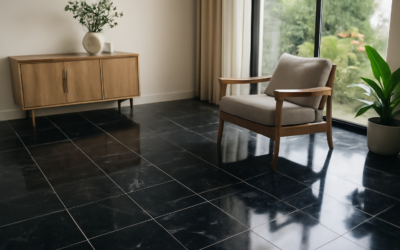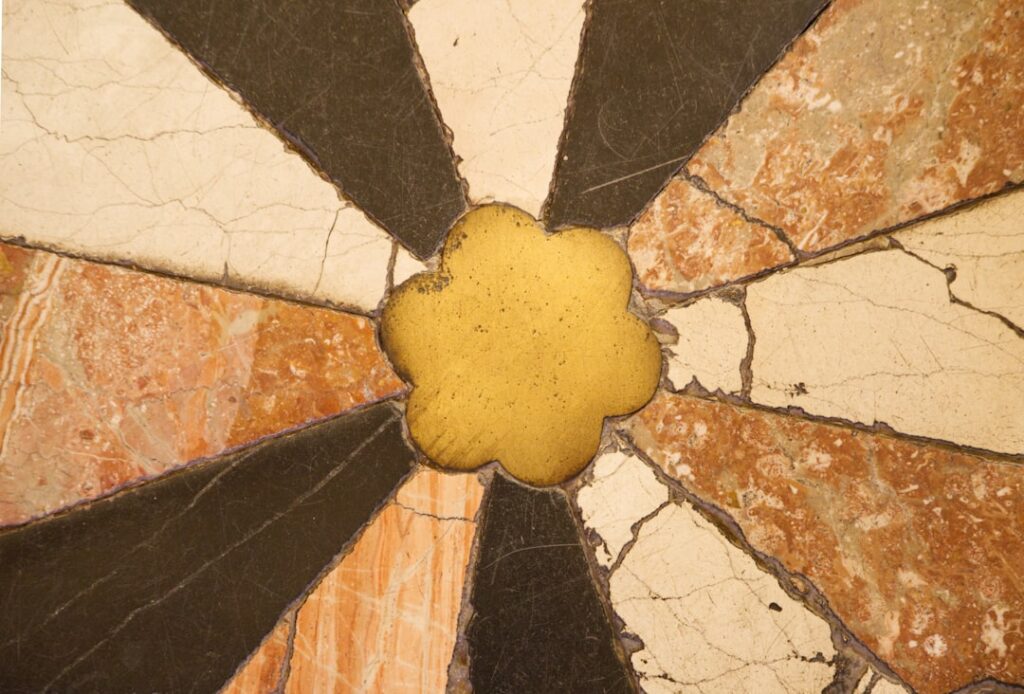
Marble tile flooring is the epitome of luxury in interior design. For thousands of years, marble has graced the floors of palaces, cathedrals, and grand estates, and it continues to be one of the most coveted natural stone flooring materials available. But marble is not just about beauty — it is a material that demands understanding, proper care, and realistic expectations. This guide gives you the complete picture so you can decide if marble tile flooring is right for your home.
Part of our Countertops guide — explore the full guide →
- What Is Marble Tile Flooring?
- Popular Types of Marble Tile
- Marble Tile Sizes and Formats
- Marble Tile Finishes
- The Honest Pros of Marble Tile Flooring
- The Honest Cons of Marble Tile Flooring
- Where to Install Marble Tile Flooring
- Marble Tile Flooring Costs
- Marble Tile Maintenance
- Marble vs. Marble-Look Porcelain
- Is Marble Tile Flooring Worth It?
- Marble Tile Large Format: Sizes, Prep and Installation
What Is Marble Tile Flooring?
Marble is a metamorphic rock formed when limestone is subjected to intense heat and pressure deep within the earth. This process recrystallizes the limestone, creating the characteristic veining patterns that make marble so visually stunning. The veins are created by mineral impurities — iron, clay, silt, sand, and others — that were present in the original limestone.
Marble tiles are cut from large blocks of marble into standardized sizes, then polished, honed, or finished to the desired surface treatment. They are installed using the same mortar and grout methods as ceramic or porcelain tile but require specialized knowledge and care due to marble’s unique properties.
Popular Types of Marble Tile
Carrara Marble
Quarried in Tuscany, Italy, Carrara is the most common and affordable white marble. It features a soft gray background with subtle, feathery gray veining. Carrara is the classic choice for bathrooms and has a softer, more understated look than other white marbles.
Calacatta Marble
Also from Italy, Calacatta is rarer and more expensive than Carrara. It features a brighter white background with bold, dramatic veining in gray and gold. Calacatta makes a powerful design statement and is the marble of choice for luxury kitchens and bathrooms.
Statuario Marble
Statuario features a brilliant white background with striking gray veining that is more defined and dramatic than Carrara. It is prized for its clarity and contrast and commands premium prices.
Crema Marfil
A warm, cream-colored marble from Spain, Crema Marfil has subtle beige and gold veining. It is one of the most versatile marbles, working well in both traditional and contemporary settings. Its warm tone makes it more forgiving of scratches and etching than white marbles.
Emperador
Emperador marble comes in light and dark varieties. Dark Emperador is a rich chocolate brown with lighter tan veining, while Light Emperador is a warm tan with subtle darker veins. Both are elegant choices for formal spaces.
Nero Marquina
A dramatic black marble with crisp white veining, Nero Marquina creates a bold, luxurious look. It is stunning in powder rooms, entryways, and as an accent material combined with lighter stones.
Marble Tile Sizes and Formats
- Standard tiles: 12×12, 12×24, 18×18, and 24×24 inches
- Large format: 24×48 and 36×36 inches (for seamless, contemporary looks)
- Mosaic: Small tiles (1×1 to 3×3 inches) mounted on mesh backing for decorative patterns
- Herringbone and chevron: Pre-cut pieces for popular pattern installations
- Hexagonal: Trending in bathroom applications
Marble Tile Finishes
Polished
The classic high-gloss finish that makes marble gleam. Polished marble shows the most vibrant color and veining but is also the most slippery when wet and the most susceptible to showing scratches and etching.
Honed
A smooth, matte finish that is less reflective than polished. Honed marble provides better slip resistance and hides scratches and etching better. It is increasingly popular for floors, especially in bathrooms and kitchens.
Tumbled
Tumbled marble has a rustic, antiqued appearance with softened edges and a slightly rough texture. It works well in Mediterranean, Tuscan, and rustic interiors.
Brushed
Brushed marble features a slightly textured surface that provides good slip resistance while maintaining a refined appearance. It is a practical choice for wet areas.
The Honest Pros of Marble Tile Flooring
- Unmatched beauty: No synthetic material can replicate the depth, luminosity, and unique veining of real marble. Every tile is one of a kind.
- Timeless prestige: Marble has been the flooring choice of luxury for millennia. It never goes out of style.
- Cool surface: Marble stays naturally cool, making it comfortable in warm climates and an excellent conductor for radiant floor heating.
- Adds home value: Quality marble flooring is a genuine luxury feature that increases property value and buyer appeal.
- Longevity: Properly maintained marble floors can last a lifetime and beyond. Many marble floors in historic buildings are centuries old.
The Honest Cons of Marble Tile Flooring
- Susceptible to etching: Acidic substances (lemon juice, vinegar, wine, tomato sauce, many cleaning products) will etch polished marble on contact, leaving dull spots. This is marble’s biggest practical drawback.
- Scratches: Marble is softer than granite, porcelain, and many other hard-surface materials. It scratches more easily, though honed finishes disguise scratches better than polished.
- Staining: Marble is porous and will absorb liquids if not properly sealed. Coffee, wine, oil, and colored liquids can leave lasting stains.
- Slippery when wet: Polished marble is one of the slipperiest flooring surfaces when wet. Honed or textured finishes are strongly recommended for bathrooms.
- Expensive: Both the material and installation are significantly more costly than most alternatives.
- High maintenance: Regular sealing, careful cleaning with pH-neutral products, and prompt spill cleanup are essential.
Where to Install Marble Tile Flooring
Best Applications
- Entryways and foyers: Marble creates a stunning first impression.
- Bathrooms: A classic pairing, especially with honed or textured finishes for slip resistance.
- Formal living and dining rooms: Marble elevates formal spaces.
- Fireplace surrounds: Marble adds elegance to the hearth area.
Less Ideal Applications
- Kitchens: Acidic food spills make kitchens challenging for marble. If you insist, use honed marble and be prepared for patina development over time.
- High-traffic hallways: Heavy foot traffic can wear polished marble unevenly.
- Children’s play areas: The risk of etching, staining, and cracking from dropped toys makes marble impractical.
Marble Tile Flooring Costs
- Carrara marble tile: $5 to $15 per square foot
- Calacatta marble tile: $15 to $40+ per square foot
- Crema Marfil tile: $5 to $12 per square foot
- Emperador tile: $6 to $15 per square foot
- Professional installation: $8 to $20 per square foot
- Sealing: $1 to $3 per square foot
For a 200-square-foot bathroom with mid-range marble tile and professional installation, expect to pay between $2,600 and $7,000 total.
Marble Tile Maintenance
Sealing
Seal marble tile immediately after installation and reseal every 6 to 12 months (more frequently in high-use areas). A quality penetrating sealer fills the stone’s pores and helps prevent staining without altering the marble’s appearance.
Daily Care
- Sweep or dust mop daily to remove grit that can scratch the surface.
- Clean with a damp mop and pH-neutral stone cleaner. Never use acidic, alkaline, or abrasive cleaners.
- Wipe up spills immediately — especially acidic liquids.
- Use doormats to trap dirt and grit before it reaches the marble.
Dealing with Etching
Minor etching on polished marble can sometimes be buffed out with marble polishing powder. Severe etching may require professional restoration. Honed marble is much more forgiving — etch marks are far less visible on a matte surface.
Marble vs. Marble-Look Porcelain
If you love the look of marble but not the maintenance, marble-look porcelain tile is an excellent alternative. Modern digital printing produces porcelain tiles that closely replicate marble’s veining and color variations at a fraction of the cost and maintenance burden. Porcelain is harder, more stain-resistant, less slippery, and does not require sealing. However, it lacks the natural depth, warmth, and prestige of genuine marble.
Is Marble Tile Flooring Worth It?
Marble tile flooring is worth the investment if you appreciate natural beauty, are willing to maintain it properly, and accept that the stone will develop a patina over time. Many marble lovers consider the gradual changes in the stone’s surface to be part of its living character rather than flaws. If you want a floor you can install and forget about, marble is not for you. But if you want a floor that is genuinely one of a kind, that improves your home’s value, and that has graced the world’s finest buildings for millennia, marble tile flooring is an investment in timeless elegance.
Marble Tile Large Format: Sizes, Prep and Installation
Large marble tile usually means 24 by 24 inches and up, with 24 by 48 and 36 by 36 inch pieces the most common large-format sizes for floors. Fewer grout lines give marble a calm, almost slab-like look, but big stone tiles demand a flatter subfloor, heavier mortar coverage and careful handling. Skimping on any of those is the main reason large marble tiles crack or show uneven edges.
Common Large Marble Tile Sizes
| Size (inches) | Typical thickness | Best fit |
|---|---|---|
| 24 x 24 | About 3/8 to 1/2 inch | Foyers, living rooms, larger baths |
| 24 x 48 | About 1/2 inch or more | Open plans, long hallways |
| 36 x 36 | About 1/2 inch or more | Grand entries, large formal rooms |
Larger and thicker pieces weigh far more than standard 12 by 12 tiles, so check that the floor framing is stiff enough for natural stone. Stone needs a stiffer floor than ceramic or porcelain, and a bouncy floor will crack a long marble tile along its veins.
Subfloor Flatness and Mortar
- Flatness: large tiles need a much flatter surface than small ones. Grind high spots and fill low spots with a self-leveling underlayment before tiling.
- Mortar: use a mortar rated for large and heavy tile, in white for light marbles such as Carrara so gray cement does not shadow through translucent stone.
- Coverage: back-butter every tile and use a large notched trowel to get near-full contact, with no hollow corners.
- Uncoupling: an uncoupling membrane helps over wood subfloors and slabs with minor cracks.
Layout and Lippage
Long tiles are rarely perfectly flat, so a 50 percent brick offset can leave raised edges. Many installers limit the offset to about one third of the tile length and use a tile leveling clip system to keep edges even. Dry-lay the tiles first to balance the veining across the room, since one bold vein looks deliberate but a cluster of them looks random.
Handling and Cost
Large marble tiles are heavy and brittle until set, so carry them on edge with two people. Expect more breakage, more waste on cuts and higher labor per square foot than standard sizes, which pushes jobs toward the upper end of typical installation pricing. Order 10 to 15 percent extra from one lot so color matches for future repairs.
Prefer to explore on your own?
See how new flooring looks in your actual room in seconds — free, no signup.
Try the free Floor Studio →