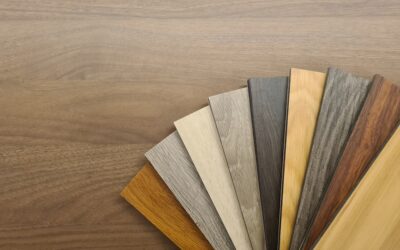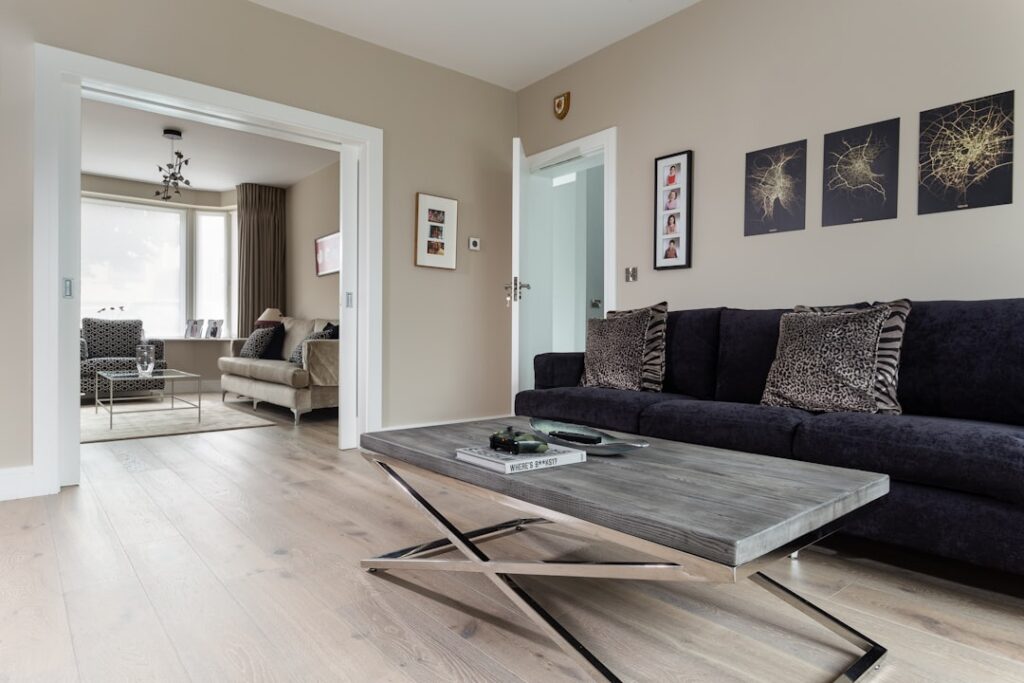
Laminate is one of the most common floors in American homes, yet plenty of shoppers aren’t sure what’s under their feet. The laminate flooring meaning is simpler than the marketing suggests: it’s a multi-layer synthetic floor that uses a high-resolution photograph of wood (or stone) sealed under a tough clear wear layer, all bonded to a dense fiberboard core. Understanding how it’s built explains both its strengths and its limits, and helps you decide whether it’s right for your space.
The Definition in Plain Terms
Laminate flooring is a manufactured product made by fusing several layers together under heat and pressure, a process called lamination, which is where the name comes from. It is not real wood, though premium laminate convincingly imitates it. Instead, a printed design layer carries the wood or tile look, and a clear melamine wear layer on top protects against scratches and fading.
Because the look is a printed image, manufacturers can replicate oak, hickory, maple, and even stone or concrete in countless colors. That flexibility, combined with a low price, is why laminate became a mainstay in homes and rentals alike.
The Four Layers Explained
Every laminate plank is built from the same basic stack, and knowing each layer clarifies how the floor performs.
- Wear layer: a clear, aluminum-oxide-infused melamine top that resists scratches, stains, and UV fading
- Design layer: a high-resolution photographic image of wood or stone
- Core layer: high-density fiberboard (HDF) that gives the plank rigidity and structure
- Backing layer: a stabilizing base that resists moisture from below and keeps the plank flat
The wear layer’s toughness is what separates laminate from cheaper photo-printed floors. It’s rated by an AC scale from AC1 to AC5, with AC3 suitable for most homes and AC4 to AC5 built for commercial traffic.
How Laminate Is Installed
Modern laminate uses a click-lock system, meaning planks snap together at the edges and float over the subfloor without glue or nails. The whole floor rests on a thin foam underlayment that cushions footfall and smooths minor subfloor imperfections.
This floating design makes laminate one of the friendliest DIY floors. A homeowner with a tapping block, spacers, and a saw can install a room in a day. The subfloor must be clean, dry, and flat within 3/16 inch over 10 feet, since the rigid planks telegraph bumps and can click apart over high spots.
The Real Advantages
Laminate’s biggest draw is value. It delivers a wood look at a fraction of hardwood’s price, and its hard wear layer resists the scratches that real wood shows. It’s also dimensionally stable, fade-resistant, and low-maintenance, needing only sweeping and the occasional damp mop.
- Affordable: $1 to $3 per sq ft for material, $3 to $7 installed
- Scratch-resistant: aluminum-oxide wear layer shrugs off pets and traffic
- Easy install: floating click-lock system suits DIY
- Low upkeep: no sealing, waxing, or refinishing
The Limitations to Weigh
The classic weakness is water. Standard laminate’s HDF core swells if moisture seeps through seams or from a wet mop, and that damage is permanent. This makes traditional laminate a poor choice for bathrooms and laundry rooms, though waterproof laminate lines now exist that resolve this with sealed cores and tight joints.
Laminate also can’t be refinished. Once the wear layer is worn through, the plank is replaced, not sanded. And while premium products look convincing, budget laminate can feel hollow underfoot and look obviously synthetic up close. A quality underlayment and a higher AC rating address both issues.
Laminate Versus Vinyl and Hardwood
Shoppers often cross-shop laminate against luxury vinyl plank and engineered wood. Laminate typically has a harder, more scratch-resistant surface than vinyl, but vinyl is fully waterproof, which laminate generally is not. Against engineered hardwood, laminate is cheaper and tougher on top, but it lacks real wood’s authenticity and refinishing potential.
For dry, high-traffic living spaces on a budget, laminate is often the best value. For wet areas, waterproof vinyl usually wins unless you specifically choose a waterproof laminate line.
A Brief History of Laminate
Laminate flooring isn’t new. A Swedish company, Pergo, brought the first direct-pressure laminate to market in the late 1970s, and for years many Americans simply called any laminate floor a “Pergo floor,” much like calling tissues Kleenex. Early laminate looked obviously fake and felt hollow, which gave the category a budget reputation.
The technology has come a long way. Modern high-definition printing, embossed-in-register texturing that aligns the surface texture with the printed grain, and beveled edges produce planks that fool the eye at a glance. Today’s premium laminate rivals engineered wood for realism while keeping the durability and price advantages that made it popular.
Choosing Quality Laminate
Not all laminate is equal, and a few specs separate a floor that lasts from one that disappoints. Beyond the AC rating, look at the core density, the locking system, and whether the edges are beveled for a more authentic plank look.
- AC rating: AC3 for homes, AC4 to AC5 for heavy or commercial traffic
- Thickness: 10mm to 12mm feels more solid and quiet than 7mm
- Core type: high-density HDF resists moisture and impact better than basic MDF
- Texture: embossed-in-register grain looks far more realistic
Thicker planks with a quality underlayment also sound and feel more like real wood underfoot, reducing the hollow click that gives cheap laminate away.
Is Laminate Right for You?
Now that the laminate flooring meaning is clear, the decision gets easier. If you want an affordable, scratch-tough, easy-to-install wood look for living rooms, bedrooms, and hallways, laminate is a proven choice. Just respect its relationship with water, choose at least an AC3 rating for a busy home, and pair it with a quality underlayment for a floor that looks and feels far better than its price suggests.
Prefer to explore on your own?
See how new flooring looks in your actual room in seconds — free, no signup.
Try the free Floor Studio →