Laminate flooring underlay is a thin layer of material installed between your subfloor and your laminate flooring. It might seem like an afterthought, but the underlay you choose has a direct impact on how your floor sounds, feels, and lasts. The right underlay reduces noise, adds comfort, protects against moisture, and smooths out minor subfloor imperfections. The wrong one can void your warranty, trap moisture, and make your floor sound hollow and cheap.
- Why Laminate Flooring Needs Underlay
- Types of Laminate Flooring Underlay
- Standard Foam Underlay
- Foam with Vapor Barrier
- Cork Underlay
- Rubber Underlay
- Felt Underlay
- Combination Underlays
- Underlay Thickness: How Thick Is Too Thick?
- Underlay for Different Subfloors
- How to Install Laminate Flooring Underlay
- Common Underlay Mistakes to Avoid
- Top Underlay Brands
- How Much Should You Spend on Underlay?
Why Laminate Flooring Needs Underlay
Laminate flooring is installed as a floating floor. The planks click together and rest on the subfloor without being nailed, stapled, or glued down. This floating method requires a cushioning layer between the subfloor and the laminate for several reasons.
Sound Reduction
Without underlay, laminate produces a loud, hollow clicking sound with every footstep. This is one of the most common complaints about laminate floors, and the underlay is the primary solution. Quality underlay absorbs the impact of footsteps and reduces both the sound you hear in the room and the noise transmitted to rooms below.
Comfort
Laminate over a bare subfloor feels hard and unforgiving. Underlay adds a slight cushion that reduces fatigue and makes the floor more comfortable to walk on, stand on, and live with day after day.
Moisture Protection
Concrete subfloors naturally release moisture vapor. If that moisture reaches the HDF core of your laminate, it causes swelling and permanent damage. Many underlays include a built-in vapor barrier or are used in conjunction with a separate moisture film to block this upward moisture movement.
Subfloor Smoothing
Minor bumps, dips, and imperfections in the subfloor can telegraph through to the laminate surface. Underlay bridges these small irregularities, creating a smoother foundation for the floating floor. Note that underlay cannot compensate for major subfloor problems, which must be addressed before installation.
Thermal Insulation
Underlay adds a thin layer of insulation between the cold subfloor and the living space above. This is particularly noticeable over concrete slabs and in ground-floor rooms where the floor can feel cold without underlayment.
Types of Laminate Flooring Underlay
Standard Foam Underlay
Basic polyethylene foam is the most common and affordable underlay option. It provides adequate cushion and sound absorption for most residential applications. Standard foam typically comes in 2mm to 3mm thicknesses and costs $0.15 to $0.30 per square foot.
Best for: Budget installations, upper floors where moisture is not a concern, and situations where the laminate already has attached underlayment on some planks but not others.
Foam with Vapor Barrier
The same polyethylene foam with an attached layer of polyethylene film or aluminum foil that acts as a moisture barrier. This is the minimum recommended underlay for laminate installed over concrete subfloors. Cost ranges from $0.20 to $0.50 per square foot.
Best for: Concrete subfloors at ground level or above, slab-on-grade construction, and any installation where concrete moisture is possible.
Cork Underlay
Cork is a natural material that provides excellent sound absorption, thermal insulation, and a slight cushion. It is denser than foam and does a better job of reducing impact noise transmitted to rooms below. Cork underlay costs $0.50 to $1.00 per square foot.
Best for: Upper-floor installations, apartments with noise requirements, and homeowners who prefer natural materials. Cork naturally resists mold and mildew but still benefits from a separate vapor barrier over concrete.
Rubber Underlay
Recycled rubber underlay offers the best sound reduction of any common underlayment material. It is dense, durable, and provides excellent cushioning. Rubber underlay is the go-to choice for high-rise apartments and condos with strict sound transmission requirements. Prices range from $0.75 to $1.50 per square foot.
Best for: Multi-story buildings with STC (Sound Transmission Class) and IIC (Impact Insulation Class) requirements, home theaters, and spaces where sound control is the top priority.
Felt Underlay
Made from recycled fibers compressed into a dense pad, felt underlay provides a balance of sound absorption, cushion, and durability. It is thicker and denser than standard foam, producing a more solid feel underfoot. Felt underlay costs $0.40 to $0.80 per square foot.
Best for: Homeowners who want a step up from foam without the cost of cork or rubber. Felt offers a more substantial feel and better long-term compression resistance than foam.
Combination Underlays
Some products combine multiple materials, such as foam with a built-in moisture barrier and an additional sound-absorbing layer. These all-in-one solutions simplify installation but cost more than single-material options.
Underlay Thickness: How Thick Is Too Thick?
More is not always better when it comes to underlay thickness. Most laminate manufacturers specify a maximum underlay thickness in their installation guidelines, typically 3mm.
Underlay that is too thick creates excessive flex under the laminate planks. This flex puts stress on the click-lock joints and can cause them to separate over time, creating gaps and squeaks. It can also make the floor feel spongy and unstable.
- 1mm to 2mm: Standard for products with attached underlayment where only a vapor barrier is needed.
- 2mm to 3mm: The sweet spot for most installations. Provides adequate cushion and sound reduction without compromising joint integrity.
- 3mm to 4mm: Only use if the laminate manufacturer specifically approves this thickness. Cork and rubber underlays in this range offer superior sound control but must be paired with compatible products.
If your laminate planks already have attached underlayment, do not add a second thick pad underneath. This doubles the cushion and exceeds most manufacturers’ guidelines. Use only a thin vapor barrier film in this situation.
Underlay for Different Subfloors
Concrete Subfloors
Concrete requires a moisture barrier. Choose an underlay with a built-in vapor barrier or lay a separate 6-mil polyethylene sheet before installing the underlayment. Overlap seams by 8 inches and tape them securely. Test concrete moisture levels before installation, as excessive moisture may require additional mitigation beyond a standard vapor barrier.
Plywood Subfloors
Plywood over a vented crawl space does not usually require a vapor barrier, though one does not hurt. Standard foam or felt underlay works well. Ensure the plywood is securely fastened to the joists and check for squeaks before installing the underlay.
Existing Flooring
You can install laminate over existing vinyl flooring, tile, or hardwood with a thin underlayment. The existing floor acts as a subfloor. Make sure it is clean, level, and firmly adhered. Do not install laminate over carpet, as the carpet pile creates too much flex.
Radiant Heated Floors
If you have in-floor radiant heating, choose an underlay with low thermal resistance (low R-value) so heat transfers efficiently through the floor. Cork and thick rubber can insulate too well and reduce heating effectiveness. Thin foam or specialized radiant-heat underlays work best.
How to Install Laminate Flooring Underlay
- Clean the subfloor thoroughly. Remove all debris, dust, and protruding nails or staples.
- Check subfloor flatness with a straightedge. Correct any areas that are out of tolerance (typically 3/16 inch per 10 feet).
- Lay the vapor barrier if required and separate from the underlay. Overlap seams by 8 inches and tape with vapor barrier tape.
- Roll out the underlay parallel to the direction you will install the laminate. Butt seams tightly without overlapping.
- Tape seams with the tape recommended by the underlay manufacturer. This prevents shifting during laminate installation.
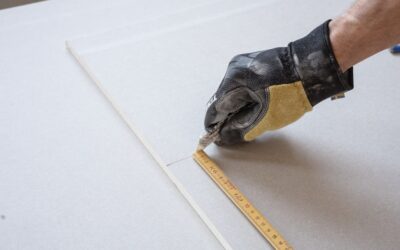
- Trim excess along walls with a utility knife, leaving a clean edge that sits flat.
- Install only enough underlay for the area you plan to cover with laminate that day. Walking on exposed underlay can cause tearing and shifting.
Common Underlay Mistakes to Avoid
- Doubling up underlayment: Never layer two pads. If your laminate has attached underlayment, use only a vapor barrier underneath.
- Using carpet padding: Carpet pad is too thick and too soft for laminate. It will destroy the click-lock connections.
- Skipping the vapor barrier on concrete: Concrete moisture will ruin your laminate from underneath, often without visible signs until the damage is severe.
- Overlapping underlay seams: Overlapped seams create raised ridges that telegraph through the laminate surface.
- Using the wrong underlay with radiant heat: Thick, insulating underlays reduce heating efficiency and can void both the laminate and heating system warranties.
Top Underlay Brands
- QuietWalk: Recycled fiber underlayment with built-in vapor barrier. Excellent sound ratings and compression resistance.
- Floor Muffler: Cross-linked polyethylene foam with strong moisture protection. Widely recommended by laminate manufacturers.
- Roberts: Offers a range of foam, felt, and combination underlays at competitive prices. Available at most home improvement stores.
- Swiss Krono: Cork and combination underlays from a respected European manufacturer. Premium quality with strong sound performance.
How Much Should You Spend on Underlay?
Budget about $0.25 to $0.75 per square foot for quality underlayment. For a 300-square-foot room, that is $75 to $225. It may be tempting to buy the cheapest option available, but remember that the underlay directly affects how your floor sounds, feels, and holds up over its entire lifespan.
A $3.00-per-square-foot laminate floor paired with a $0.15-per-square-foot bargain foam pad will sound cheap and feel hollow. Spending an extra $50 to $100 on better underlayment makes a noticeable difference in daily living quality and is one of the smartest investments in any laminate flooring project.
Prefer to explore on your own?
See how new flooring looks in your actual room in seconds — free, no signup.
Try the free Floor Studio →