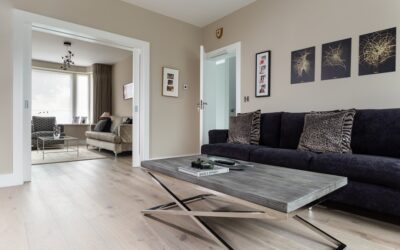
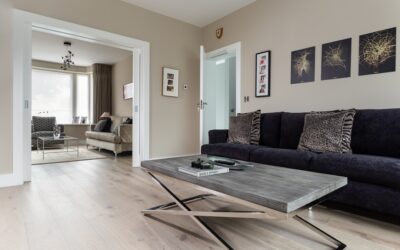
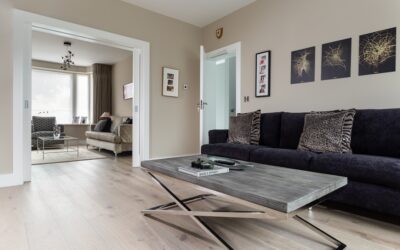
Laminated wood is a flooring product that gives you the appearance of real wood at a fraction of the cost. It has been a staple in American homes for over three decades, and modern versions have gotten impressively close to replicating the look and even the feel of natural hardwood. If you have been researching affordable flooring options, understanding what laminated wood actually is and how it performs will help you make a confident decision.
- What Is Laminated Wood?
- How Laminated Wood Differs from Engineered Wood
- Advantages of Laminated Wood Flooring
- Affordable Price Point
- Exceptional Scratch Resistance
- Easy DIY Installation
- Realistic Appearance
- Fade Resistance
- Hygienic Surface
- Disadvantages of Laminated Wood Flooring
- How Much Does Laminated Wood Cost?
- Popular Laminated Wood Brands
- Installing Laminated Wood Flooring
- Maintaining Laminated Wood Floors
- Is Laminated Wood Right for Your Home?
What Is Laminated Wood?
Laminated wood flooring, commonly called laminate flooring, is a multi-layer synthetic product designed to simulate wood. Despite the name, it does not contain a solid wood surface. Instead, it uses a high-resolution photographic image of wood grain sealed beneath a protective clear layer.
A typical laminated wood plank has four layers:
- Wear layer: A clear melamine resin coating infused with aluminum oxide. This layer provides scratch, stain, and fade resistance. It is rated on the AC (Abrasion Class) scale from AC1 (light residential) to AC5 (heavy commercial).
- Design layer: A photographic paper printed with a high-resolution image of wood grain. Modern printing technology produces patterns with remarkable depth and detail.
- Core layer: High-density fiberboard (HDF) made from compressed wood fibers and resin. The core provides structural strength and determines the plank’s thickness, typically 7mm to 12mm.
- Backing layer: A melamine or moisture-resistant paper that provides dimensional balance and protects the core from moisture penetration from below.
How Laminated Wood Differs from Engineered Wood
This is a common point of confusion. Laminated wood and engineered wood flooring are entirely different products.
Engineered wood uses a real hardwood veneer on top. You are walking on actual oak, maple, or walnut. It can be sanded and refinished, and it carries the look and feel of genuine wood because the surface is genuine wood.
Laminated wood uses a photograph of wood. The surface is melamine resin, not wood. It cannot be sanded or refinished. However, laminated wood costs significantly less than engineered wood and its melamine surface is harder and more scratch-resistant than a real wood veneer.
Advantages of Laminated Wood Flooring
Affordable Price Point
Laminated wood is one of the most budget-friendly flooring options available. Materials start at under $1.00 per square foot for basic products and top out around $5.00 per square foot for premium lines. This makes it possible to floor an entire home for what hardwood would cost in a single room.
Exceptional Scratch Resistance
The melamine wear layer is extremely hard. AC3-rated and above laminated wood resists scratches from pet claws, shoe traffic, and furniture movement better than real wood, vinyl, and most other flooring materials. Households with large dogs often prefer laminate for this reason.
Easy DIY Installation
Click-lock profiles allow laminated wood planks to snap together without glue, nails, or special tools. The floor floats over a thin underlayment pad and can typically be installed in a weekend. This saves hundreds or thousands of dollars compared to professional installation of hardwood or tile.
Realistic Appearance
Modern laminated wood features embossed-in-register (EIR) textures where the surface relief matches the printed grain pattern. From normal viewing distances, quality laminate is very difficult to distinguish from real wood visually.
Fade Resistance
UV-resistant coatings on laminated wood prevent the sun from altering the color over time. Real wood and even some vinyl products fade or darken with sun exposure, but laminate maintains its original appearance for years.
Hygienic Surface
The sealed melamine surface does not harbor allergens, dust mites, or bacteria the way carpet can. Laminated wood is easy to keep clean and is a solid choice for allergy sufferers.
Disadvantages of Laminated Wood Flooring
Water Vulnerability
The HDF core absorbs water when exposed. Once the core swells, the damage is permanent and the affected planks must be replaced. This limits laminated wood’s suitability for bathrooms, laundry rooms, and basements where moisture is a constant concern.
Water-resistant laminate products exist and perform better against brief moisture exposure, but they are still not waterproof. For genuinely wet spaces, vinyl flooring or tile are safer choices.
Cannot Be Refinished
When the wear layer is worn through or the surface is deeply damaged, the plank must be replaced. There is no option to sand and refinish laminated wood. This sets a hard limit on the floor’s lifespan.
Hollow Sound
Laminated wood can sound hollow and clicky underfoot, particularly over concrete subfloors. Quality underlayment helps, but the sound is noticeably different from solid wood or tile. Some people find this hollow resonance unpleasant.
Lower Resale Value
Real estate markets consistently value genuine wood floors over laminate. While clean, attractive laminate does not hurt a home’s appeal, it does not boost the appraised value the way hardwood does.
Edge Swelling Over Time
In humid climates, the edges of laminated wood planks can absorb ambient moisture and swell slightly, creating visible ridges at the seams. This is a gradual process but is irreversible once it occurs.
How Much Does Laminated Wood Cost?
Material Costs
- Budget (AC3, 7mm-8mm): $0.70 to $1.50 per square foot
- Mid-range (AC4, 10mm-12mm): $1.50 to $3.50 per square foot
- Premium (AC5, 12mm+, water-resistant): $3.50 to $5.00 per square foot
Installation Costs
Professional installation runs $1.50 to $3.00 per square foot including underlayment. DIY installation requires only basic tools and saves the labor cost entirely.
Total Project Example
A 400-square-foot living room using mid-range laminated wood flooring costs approximately $600 to $1,400 for materials and $600 to $1,200 for professional installation, totaling $1,200 to $2,600.
Popular Laminated Wood Brands
Pergo
Pergo invented laminate flooring in 1977 and remains an industry leader. Their products feature patented click-lock systems and some of the best embossed textures on the market. Pergo TimberCraft and WetProtect lines are popular choices.
Quick-Step
A Belgian brand known for innovation and quality. Quick-Step laminate is widely available in North America and offers a strong range of styles with proprietary Uniclic installation systems.
Mohawk RevWood
Mohawk’s RevWood line includes water-resistant laminate with GenuEdge pressed-edge technology that resists moisture penetration at the joints. Widely available through retail channels.
Shaw Repel
Shaw’s water-resistant laminate line featuring ScufResist Platinum finish technology. The Repel designation indicates enhanced moisture protection at the joints and surface.
Dream Home (Lumber Liquidators/LL Flooring)
A value-oriented brand that offers thick, well-performing laminate at competitive prices. Available through LL Flooring stores and online.
Installing Laminated Wood Flooring
Tools You Need
- Tape measure and pencil
- Spacers (1/4 inch)
- Tapping block and pull bar
- Utility knife or miter saw
- Underlayment (if not attached to planks)
- Moisture barrier (for concrete subfloors)
Key Installation Steps
- Acclimate planks in the room for 48 hours.
- Ensure the subfloor is clean, dry, and flat within 3/16 inch per 10 feet.
- Install moisture barrier over concrete subfloors.
- Lay underlayment if not pre-attached.
- Start from the longest wall, working left to right.
- Use spacers to maintain 1/4-inch expansion gaps along all walls.
- Stagger end joints by at least 12 inches between adjacent rows.
- Cut the last plank in each row and use the offcut to start the next row (if at least 12 inches long).
- Install transitions at doorways and changes in flooring type.
- Cover expansion gaps with baseboards or quarter-round molding.
Maintaining Laminated Wood Floors
- Sweep or vacuum with a hard-floor setting regularly to remove grit.
- Damp mop with a laminate-specific cleaner. Use minimal water.
- Wipe up spills immediately to prevent moisture from reaching seams.
- Use furniture pads under all legs and avoid rolling heavy items directly on the surface.
- Place mats at entryways to trap dirt and grit.
- Never use steam mops, wax, polish, or abrasive cleaners.
Is Laminated Wood Right for Your Home?
Laminated wood flooring makes the most sense when budget is a driving factor and the installation area stays dry. It is an excellent choice for living rooms, bedrooms, hallways, and home offices. Families with active pets appreciate the scratch resistance, and DIY homeowners appreciate the straightforward installation.
If your project includes bathrooms, basements, or kitchens where water exposure is likely, consider waterproof flooring options like luxury vinyl plank or tile instead. And if long-term home value is a priority, investing in real hardwood or engineered hardwood pays greater dividends at resale.
For everything in between, laminated wood delivers attractive, durable flooring at a price point that is genuinely hard to argue with.
Prefer to explore on your own?
See how new flooring looks in your actual room in seconds — free, no signup.
Try the free Floor Studio →