Filling a dim corner of your home with greenery feels impossible when every plant tag seems to demand bright, direct sun. The good news is that large low light plants exist in abundance, and many of them are among the toughest, most forgiving houseplants you can buy. These are species that evolved on shady forest floors, so they handle the indirect, filtered light of a north-facing room or an interior corner just fine. With the right picks, you can add dramatic height and lush foliage to spaces that get almost no direct sunshine.
- What "Low Light" Really Means
- Top Large Low Light Plants for Big Impact
- Bird of Paradise (with a caveat)
- Snake Plant
- ZZ Plant
- Dracaena
- Cast Iron Plant
- Kentia Palm
- Philodendron and Pothos (Trained Tall)
- Quick Comparison
- Care Tips for Low Light Success
- Choosing the Right Pot and Soil
- Boosting Light Where You Can
- Final Thoughts
What “Low Light” Really Means
First, a reality check. No plant grows in true darkness. Low light means a spot away from a window, a room lit mostly by ambient or artificial light, or a north-facing window that never gets direct rays. If you can comfortably read a book without turning on a lamp during the day, that’s usually enough light for the plants below.
Low-light plants grow more slowly and need less water than sun-lovers, because less light means less photosynthesis and less moisture uptake. This is actually a feature for busy homeowners. These plants tolerate neglect, forgive missed waterings, and rarely outgrow their space in a hurry. The main risk in a dim room isn’t too little light, it’s overwatering.
Top Large Low Light Plants for Big Impact
These selections all reach impressive size, from waist-high to ceiling-scraping, while tolerating shade.
Bird of Paradise (with a caveat)
The bird of paradise grows huge, easily 6 feet indoors, with broad paddle leaves. It prefers brighter light but tolerates moderate shade, growing slower in dim spots. It’s a good pick for a corner near, but not in, a window.
Snake Plant
Few plants are tougher. Snake plant (Sansevieria) sends up stiff, architectural leaves that can reach 3 to 4 feet. It thrives in low light, survives long stretches without water, and is nearly impossible to kill, making it the ultimate beginner’s floor plant.
ZZ Plant
The ZZ plant grows glossy, deep green fronds up to 3 feet tall and handles the darkest corners in your home. Its rhizomes store water, so it shrugs off drought. Wipe the leaves occasionally and it stays beautiful with almost no effort.
Dracaena
Several dracaena varieties, like the corn plant (Dracaena fragrans) and Dracaena marginata, grow into tree-like specimens 5 to 6 feet tall. They have woody trunks topped with spiky or arching foliage and tolerate low to moderate light well.
Cast Iron Plant
Named for its durability, the cast iron plant (Aspidistra) handles deep shade, temperature swings, and irregular care. It grows broad, dark green leaves to about 2 to 3 feet and is a classic choice for the gloomiest rooms.
Kentia Palm
For a softer, tropical look, the kentia palm reaches 5 to 8 feet indoors with graceful, feathery fronds. It tolerates lower light than most palms, which makes it a longtime favorite for hotels and dim living rooms.
Philodendron and Pothos (Trained Tall)
While usually grown as trailing vines, large-leaved philodendrons like the heartleaf or the tree philodendron can be trained up a moss pole into a tall, dramatic column. Both tolerate low light and grow vigorously once established.
Quick Comparison
- Easiest to keep alive: snake plant, ZZ plant, cast iron plant
- Tallest potential: bird of paradise, dracaena, kentia palm
- Most tropical look: kentia palm, philodendron
- Best for total beginners: ZZ plant and snake plant
Care Tips for Low Light Success
The single most important rule is to water less. In dim conditions, soil dries slowly, and roots sitting in wet soil rot. Let the top inch or two of soil dry out before watering, and always use a pot with a drainage hole. When in doubt, wait a few more days.
Other care basics matter too. Dust the leaves every few weeks so they can absorb what light there is. Rotate the plant a quarter turn weekly to keep growth even. Feed lightly, perhaps once a month during spring and summer with a diluted houseplant fertilizer, and skip feeding in winter when growth slows. Most low-light plants prefer normal room temperatures between 65 and 80 degrees Fahrenheit and dislike cold drafts.
Choosing the Right Pot and Soil
A big floor plant lives or dies by its container and soil, especially in low light where drainage is everything. Always choose a pot with a drainage hole, no exceptions, and use a saucer to protect your flooring. A decorative cachepot over a plain nursery pot lets you lift the plant out to water and drain it without water sitting against the roots.
Match the pot size to the plant. A container that’s too large holds excess soil that stays wet far too long in dim conditions, inviting root rot. Go up just one or two pot sizes when you repot, typically every two to three years for slow-growing low-light plants. Use a well-draining houseplant mix, and for plants like snake plants and ZZ plants, blend in extra perlite or a cactus mix to keep the soil airy. Heavy floor plants also benefit from a wide, stable base, since a top-heavy dracaena or bird of paradise can tip in a narrow pot. Add a rolling plant caddy under large pots so you can move them to a brighter spot occasionally or reach behind them to clean.
Boosting Light Where You Can
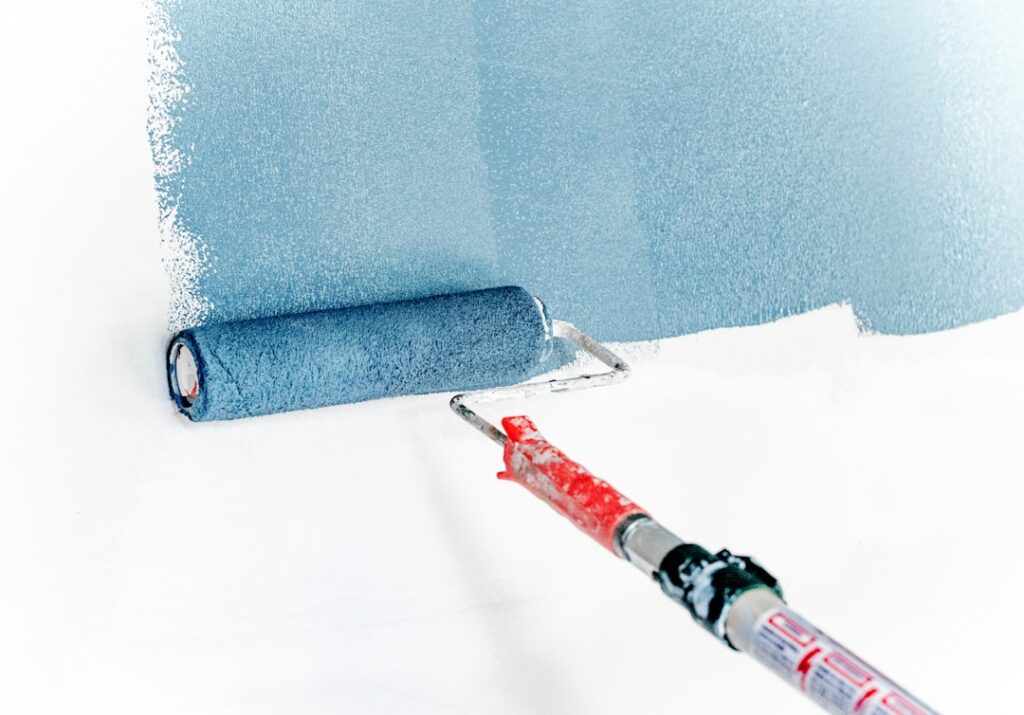
If your space is truly dark, a few tweaks help your plants thrive rather than just survive. Painting walls a lighter color and adding a mirror bounces ambient light around the room. Keeping windows clean and curtains open during the day maximizes what little sun reaches in.
For very dim corners, an inexpensive LED grow light on a timer makes a huge difference and is nearly invisible when tucked into the foliage. Even a few hours a day extends what your plants can handle. With these simple adjustments, large low light plants can transform the shadiest rooms in your house into green, welcoming spaces.
Final Thoughts
You don’t need a sun-drenched window to enjoy big, beautiful houseplants. Snake plants, ZZ plants, dracaenas, cast iron plants, and kentia palms all bring height and lush foliage to shady rooms. Pair the right species with restrained watering and the occasional dusting, and your large low light plants will reward you with years of easy, low-maintenance greenery.