Floor tile has quietly become one of the most design-forward materials in a home, and keeping up with the latest tiles design for floor is how you avoid installing something that looks dated the day it’s grouted. Today’s trends lean toward larger formats, convincing natural imitations, and bold patterned statements, all made possible by advances in digital printing and porcelain manufacturing. This guide walks through what’s current, the practical trade-offs behind each look, and how to buy tile that stays stylish for a decade rather than a season.
Large-Format Tile Leads the Way
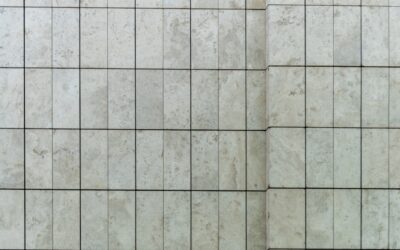
The single biggest shift on the market is scale. Large-format tiles, generally 24 by 24 inches and up, with slab-like panels reaching 48 by 48 inches or even larger, now dominate showrooms. Bigger tiles mean fewer grout lines, which reads as clean, seamless, and expansive, and makes a small room feel larger. The look suits modern and minimalist interiors and photographs beautifully in open-plan spaces.
The trade-off is installation. Large-format tile demands a very flat subfloor, within 1/8 inch over 10 ft, or you get lippage where corners sit proud of neighbors. It requires a larger-notch trowel, back-buttering, and often leveling clips, which pushes labor toward $8 to $15 per sq ft. The tiles are heavy and awkward to cut, so this is rarely a beginner DIY project. Budget for a skilled installer and confirm your floor can be leveled before committing.
Wood-Look Porcelain Planks
Wood-look porcelain remains the most requested style in my showroom and keeps improving. Digital printing now reproduces oak grain, knots, and even wire-brushed texture so convincingly that guests genuinely mistake it for hardwood until they touch its cool surface. Sold as planks in widths from 6 to 9 inches and lengths up to 48 inches, it delivers the warmth of wood with the waterproof durability of porcelain, making it ideal for kitchens, baths, and basements where real wood fails.
Realism depends on the install. Wood-look planks look fake when laid with wide, contrasting grout lines, so specify a tight 3/16 inch joint in a grout color that matches the plank. A staggered or herringbone layout sells the effect further. The main downsides are the hardness and coldness underfoot common to all tile, easily solved with rugs or in-floor radiant heat, and the slightly higher cutting labor of long planks.
Terrazzo and Speckled Patterns Return
Terrazzo, the speckled composite that felt dated a generation ago, has come roaring back, now offered as porcelain tile that mimics the classic chip-in-cement look without the cost or weight of poured terrazzo. It brings playful, retro-modern character and comes in soft pastels and moody dark bases alike. Fine-speckle versions read as a subtle neutral, while large-chip designs make a bold statement floor.
Because terrazzo-look porcelain is busy, it works best as the star of an otherwise restrained room; pair it with plain walls and simple cabinetry so it doesn’t compete. The pattern hides crumbs and minor wear beautifully, a genuine practical perk in kitchens and entries. The only real caution is longevity of taste: a bold terrazzo is more of a design commitment than a neutral, so make sure you love it before tiling a large area.
Patterned and Encaustic-Look Tile
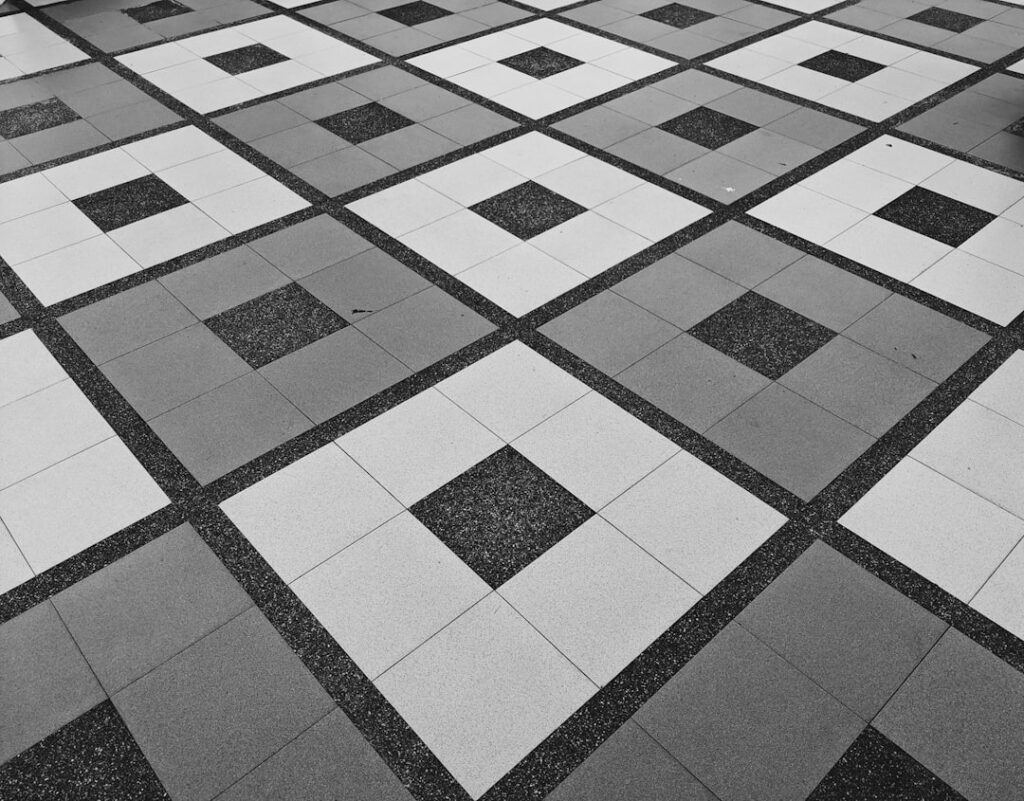
Moroccan, Spanish, and Victorian encaustic patterns are everywhere in current design, printed onto durable porcelain so you get the intricate geometric look without the fragility and sealing hassle of true cement tile. Homeowners use them as statement floors in powder rooms, laundry rooms, mudrooms, and kitchen “rugs” laid within a field of plain tile. The effect is characterful and personal in a way plain floors can’t match.
Restraint is the rule. A bold patterned floor overwhelms a large open space, so confine it to a small room or a defined zone. Mixing it with quieter surfaces keeps a home from looking like a tile catalog. Practically, porcelain versions need no sealing and clean easily, unlike genuine encaustic cement tile that must be sealed on install and periodically resealed, so I steer most clients to the porcelain lookalike for a floor that will actually be walked on daily.
Textured, Matte, and Natural Finishes
Finish is where a lot of the latest movement lives. High-gloss floors have given way to matte and honed surfaces that look organic, hide water spots and footprints, and provide better slip resistance, which matters on any floor that gets wet. Textured, tumbled, and structured surfaces that mimic natural stone add tactile depth and grip, ideal for bathrooms and entries where safety counts.
Check the slip rating before you buy. Look for a DCOF (dynamic coefficient of friction) of 0.42 or higher for wet-area floors; many gorgeous polished tiles fall below that and become dangerous near a tub or entry. Matte finishes trade a little easy-wipe convenience for grip and a more current look, but textured tiles take slightly more effort to mop clean. For most floors the safety and style of a matte or lightly textured surface is worth that minor upkeep.
Color and Layout Trends
Warm neutrals are displacing the cool grays that ruled the last decade. Greige, sand, taupe, and warm off-white tones now anchor most new floors, creating an inviting backdrop that flatters wood furniture and brass fixtures. At the same time, dramatic dark floors in charcoal, deep green, and near-black are having a moment in powder rooms and statement spaces where a bold, enveloping look is wanted.
Layout has grown more adventurous too. Herringbone and chevron patterns, once reserved for wood, now appear in both plank and square tile for a rich, custom look, though they raise labor cost and material waste by 10 to 15 percent. Vertical stacking, oversized grids, and mixed-format layouts all show up in current design. When choosing, weigh how much the pattern adds to install labor against the visual payoff for your specific room.
Grout as a Design Element
Grout is no longer an afterthought; it’s one of the most impactful design decisions in a current tile floor. A matching grout that blends with the tile makes the surface read as a seamless, monolithic field, which is exactly what you want under wood-look planks and large-format tile. A contrasting grout, by contrast, turns each tile into a defined graphic element, a look that suits patterned and geometric floors where the grid is part of the charm.
The product itself has advanced too. Epoxy and high-performance urethane grouts resist staining and never need sealing, unlike traditional cement grout, and they hold color far better in high-traffic and wet areas. They cost more and set faster, demanding a skilled installer, but on a floor you want to look sharp for years the upgrade is worth it. Thinner joints of 3/16 inch or less are trending for a cleaner face, though they require a flat subfloor and precise tiles to pull off well.
Radiant heat pairs beautifully with these trends and is increasingly built into new tile floors. Electric mat systems run under the tile for roughly $8 to $15 per sq ft installed and solve the one complaint everyone has about tile, its coldness underfoot, which makes large-format and wood-look floors far more livable in bedrooms and baths. If you’re already opening up a floor to retile, adding radiant heat during the same job is far cheaper than retrofitting it later and turns a stylish surface into a genuinely comfortable one.
Buying Smart Amid the Trends
Chasing every trend is a trap; the goal is a floor that reads current now and acceptable in ten years. Favor porcelain over ceramic for floors because of its hardness and low water absorption, verify the tile is rated for floor use and not just walls, and confirm the DCOF slip rating for any wet area. Order 10 to 15 percent overage for cuts, breakage, and future repairs from the same dye lot.
My advice for navigating the latest tiles design for floor is to anchor the room in a timeless neutral large-format or wood-look field, then spend your daring in a small, replaceable zone like a powder room or entry inlay. That way the trendiest element is cheap to swap when tastes move on, while the bulk of your floor stays quietly stylish and holds its value for years to come.
Prefer to explore on your own?
See how new flooring looks in your actual room in seconds — free, no signup.
Try the free Floor Studio →