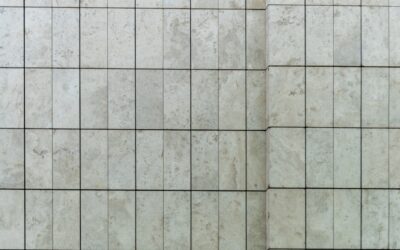
There is a reason limestone has clad buildings for thousands of years. Limestone tile brings a soft, earthy, organic beauty that manufactured products struggle to replicate, with warm neutral tones and gentle fossilized texture that make a space feel grounded and timeless. But limestone is a soft, porous natural stone, and it asks more of you than porcelain does. Understanding how it behaves, where it works, and how to protect it will tell you whether this elegant material suits your home.
Part of our Tile & Grout guide — explore the full guide →
- What Limestone Tile Is
- Pros and Cons of Limestone
- Finishes and Where They Work
- The Critical Role of Sealing
- Where to Use Limestone Tile
- What Limestone Tile Costs
- Cleaning and Daily Care
- Limestone vs. Other Natural Stones
- Installation Considerations
- Removing Stains and Etch Marks
- Is Limestone Tile Right for You?
What Limestone Tile Is
Limestone is a sedimentary stone formed mostly of calcium carbonate, often carrying subtle fossil patterns and a palette of creams, tans, grays, and soft golds. Its understated, natural look is its biggest draw, lending warmth to floors, walls, and fireplace surrounds. Because it is a natural product, no two tiles are identical, which gives a finished installation real depth and character.
It is worth knowing that limestone is softer and more porous than granite or porcelain. That softness is part of its charm but also the source of its maintenance needs.
Pros and Cons of Limestone
- Pros: Beautiful natural appearance, warm neutral colors, unique variation tile to tile, comfortable feel, and a timeless look that suits both traditional and modern homes.
- Cons: Soft and prone to scratching, highly porous so it stains easily, sensitive to acids that etch the surface, and requires regular sealing and gentle care.
This combination makes limestone wonderful in the right setting and frustrating in the wrong one. It rewards homeowners who appreciate its character and accept its upkeep.
Finishes and Where They Work
Limestone comes in several finishes, each suited to different uses:
- Honed: A smooth matte surface, the most popular for floors. Hides etching better than a polish.
- Polished: A glossy, more formal look that shows scratches and etching more readily.
- Tumbled: Soft, rounded edges and a weathered, rustic feel, popular for backsplashes and old-world looks.
- Brushed or textured: Adds slip resistance, useful for floors and wet areas.
For floors and high-use spaces, honed or textured finishes are usually the smartest choice.
The Critical Role of Sealing
Because limestone is porous, sealing is not optional. A penetrating sealer fills the stone’s pores and gives you a window to wipe up spills before they soak in and stain. Seal the tile at installation, and reapply periodically, often once or twice a year depending on traffic and exposure. A simple test tells you when: drip water on the surface, and if it absorbs and darkens rather than beading, it is time to reseal.
Even sealed, limestone is vulnerable to acids. Citrus juice, vinegar, wine, and many household cleaners can etch the surface, leaving dull marks. Wipe acidic spills immediately and never let them sit.
Where to Use Limestone Tile
Limestone shines in lower-traffic, lower-risk areas where its softness is less of a liability: living room floors, bedrooms, fireplace surrounds, accent walls, and bathroom walls. It can work in kitchens and entryways, but those high-traffic, spill-prone zones demand diligent sealing and careful cleaning. In showers and wet areas, it can be stunning but requires proper sealing and prompt squeegeeing to limit mineral buildup and etching.
What Limestone Tile Costs
As a general range, limestone tile material runs roughly $5 to $20 per square foot depending on quality, origin, and finish, with premium varieties costing more. Professional installation typically adds another $5 to $15 per square foot, and natural stone often costs more to install than ceramic because it requires careful handling and proper setting. Factor in sealer and ongoing maintenance products as part of the long-term cost.
Cleaning and Daily Care
Care for limestone gently. Sweep or dust-mop floors regularly to remove grit that can scratch the soft surface. Clean with warm water and a pH-neutral stone cleaner; never use vinegar, lemon, bleach, or abrasive scrubbers, all of which damage the stone. Wipe spills promptly, use mats at entries to catch grit, and place felt pads under furniture to prevent scratches.
Limestone vs. Other Natural Stones
It helps to see where limestone sits among popular stone choices. Granite is much harder and more stain-resistant, making it better for heavy-use floors and counters, but it lacks limestone’s soft, matte warmth. Travertine, a close relative, has a similar earthy look with characteristic pitting that is often filled. Marble offers more dramatic veining but shares limestone’s softness and acid sensitivity. Slate is harder and more rugged, with a darker, more textured appearance.
- Limestone: Soft, warm, neutral; needs sealing and gentle care.
- Granite: Hard and durable; busier patterning, more formal.
- Travertine: Similar warmth with a more textured, pitted surface.
- Slate: Harder and more rustic, with rich earth tones.
If you love the limestone look but need more durability, a limestone-look porcelain captures the appearance with almost none of the maintenance.
Installation Considerations
Limestone is a more demanding install than ceramic. The tiles are heavier and softer, so they require careful handling to avoid chipping, and they should be set over a flat, properly prepared substrate to prevent cracking. Because limestone is porous, many installers seal the tiles before grouting to keep grout haze and pigment from staining the stone face. Natural variation also means you should dry-lay tiles first to blend colors and patterns for a balanced look. For these reasons, most homeowners hire an experienced stone installer rather than tackling limestone as a first DIY tile project.
Removing Stains and Etch Marks
Even with diligent sealing, limestone can stain or etch, so it helps to know your options. For organic stains like coffee or wine that have soaked in, a stone poultice, a paste that draws the stain out as it dries, is the go-to remedy and may need a couple of applications. Oil-based stains call for a poultice formulated for grease. Etch marks from acids are different; they are physical dulling of the surface rather than a stain, and light etching on honed stone can sometimes be improved with a marble and limestone polishing powder, while deeper etching may require professional refinishing. The best strategy remains prevention: seal on schedule, wipe acidic spills immediately, and use coasters and trivets.
Is Limestone Tile Right for You?
Limestone tile is for homeowners who love genuine natural stone and will commit to sealing and gentle care. If you want a warm, characterful, timeless surface and you choose a honed or textured finish in the right room, limestone delivers a look that improves with age. If you want a worry-free floor for a busy kitchen, a limestone-look porcelain offers the appearance with far less upkeep. Match the stone to your habits, and you will enjoy its quiet beauty for decades.
Prefer to explore on your own?
See how new flooring looks in your actual room in seconds — free, no signup.
Try the free Floor Studio →