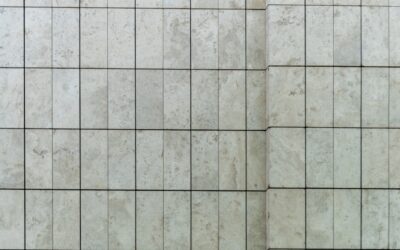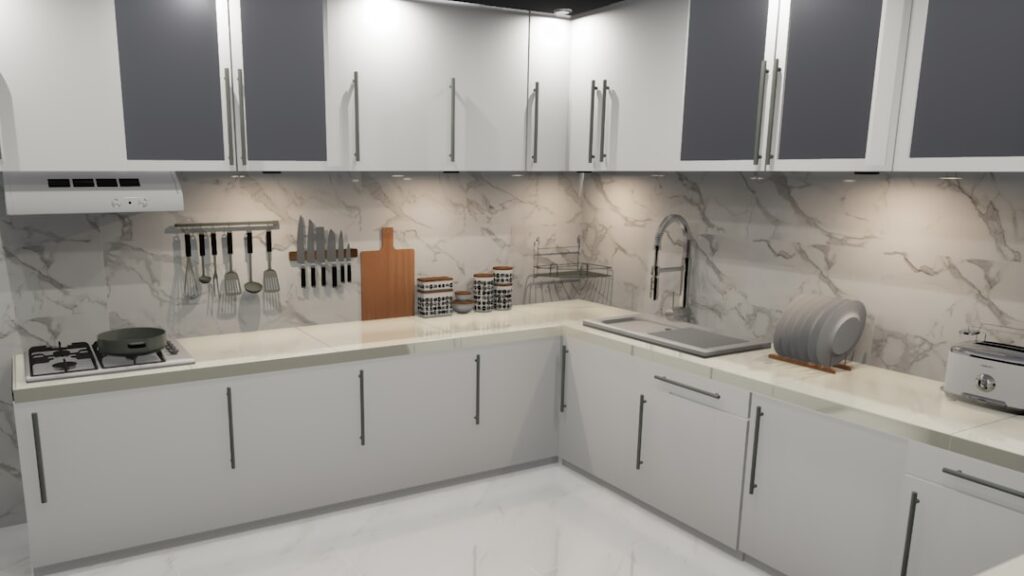
Soft, warm, and full of subtle natural variation, limestone gives a kitchen an earthy, timeless feel that polished porcelain can never quite copy. But limestone kitchen flooring is also a porous, acid-sensitive sedimentary stone, which makes the kitchen, a room full of spills and acidic foods, one of the more demanding places to install it. This guide covers limestone’s real strengths and weaknesses, what it costs, and exactly how to seal and maintain it so it lasts.
Part of our Kitchen Remodeling guide — explore the full guide →
- Why Choose Limestone in a Kitchen
- The Drawbacks: Soft, Porous, and Acid-Sensitive
- Choosing the Right Finish
- Sealing and Maintenance
- What Limestone Kitchen Flooring Costs
- Installation Notes
- Limestone vs Other Natural Stones
- Limestone vs Porcelain Look-Alikes
- Repairing Etches, Scratches, and Stains
- Is Limestone Right for Your Kitchen?
Why Choose Limestone in a Kitchen
Limestone’s appeal is its understated, organic beauty. It comes in soft neutrals, beiges, grays, creams, and tans, often with fossils and subtle veining that give each tile character. It feels warmer and softer underfoot than granite or porcelain, and it pairs beautifully with both rustic and contemporary kitchens.
Like other natural stone, it conducts heat well, making it an excellent partner for radiant floor heating, and it stays cool in warm climates. Done right, a limestone floor reads as understated luxury.
While you’re upgrading the kitchen floor, it might be a good time to rethink the seating too. Swapping out old bar stools is one of those small changes that makes the whole room feel more pulled together.
We may earn a commission when you purchase through our links.
The Drawbacks: Soft, Porous, and Acid-Sensitive
Limestone is largely calcium carbonate, the same chemistry as marble, so it shares the same vulnerabilities. Acids etch it: lemon juice, vinegar, wine, tomato, and coffee can eat dull spots into the surface if left to sit. And because it is quite porous and relatively soft (lower on the Mohs scale than granite), it stains, scratches, and scuffs more easily than harder stones.
In a kitchen, where acidic spills and dropped pans are routine, these traits mean limestone demands prompt cleanup and diligent maintenance to stay looking its best.
Choosing the Right Finish
Finish has a big impact on how forgiving limestone is in daily kitchen life.
- Honed: A smooth matte finish that hides etching and scratches better than a polish; the most common and practical kitchen choice.
- Tumbled: Antiqued, textured edges and surface that camouflage wear, etching, and chips the best, with good slip resistance.
- Brushed: A lightly textured surface that masks minor damage while staying easy to clean.
Avoid highly polished limestone in a kitchen; the gloss shows every etch mark and gets slippery when wet.
Sealing and Maintenance
Sealing is mandatory. Apply a quality penetrating stone sealer at install and reseal regularly, typically every 6 to 12 months in a busy kitchen, to slow staining. A simple water-drop test tells you when it is time: if water no longer beads and starts darkening the stone, reseal.
For daily care, wipe spills immediately, sweep grit that can scratch, and clean only with pH-neutral stone cleaners. Never use vinegar, lemon, bleach, or generic acidic cleaners, which etch limestone on contact. Place mats at the sink and stove and felt pads under furniture.
What Limestone Kitchen Flooring Costs
Limestone sits in the mid-to-upper range for natural stone.
- Material: roughly $5 to $15 per square foot for tile, depending on variety and size.
- Installed: roughly $12 to $25 per square foot, since stone is heavy and needs skilled setting.
- Budget extra for sealing at install and ongoing resealing over the life of the floor.
A 200-square-foot kitchen often lands around $2,400 to $5,000 installed before maintenance costs.
Installation Notes
Limestone is set in thinset over a flat, rigid substrate, ideally with a crack-isolation or uncoupling membrane to prevent substrate movement from cracking the stone or grout. Because the tile is heavy, suspended wood subfloors may need reinforcement. Many installers seal the tiles before grouting so the porous surface does not absorb grout haze.
Limestone vs Other Natural Stones
It helps to see where limestone sits among kitchen stone options. Granite is much harder and more stain- and etch-resistant, making it the low-maintenance choice, but it lacks limestone’s soft, matte, organic look. Marble shares limestone’s chemistry and vulnerabilities but tends to have more dramatic veining.
Travertine, a close cousin, has natural pits that need filling and similar acid sensitivity. Slate is harder and more water-resistant than limestone with a more rugged texture. If you love limestone’s understated warmth but want less upkeep, denser stones like granite or a quality porcelain look-alike are the practical alternatives.
Limestone vs Porcelain Look-Alikes
Porcelain manufacturers now produce convincing limestone-look tile, and the trade-offs mirror the marble debate. Limestone-look porcelain is fully waterproof, never etches, never needs sealing, and resists scratches, typically for $3 to $10 per square foot. It hits the same soft, neutral aesthetic without the daily worry.
What you sacrifice is the genuine cool feel, natural fossil detail, and subtle variation of real stone. For a high-use family kitchen, porcelain is the sensible, stress-free pick. For homeowners who value authenticity and will commit to sealing and careful cleaning, natural limestone rewards that effort with a floor that feels alive in a way no print can match.
Repairing Etches, Scratches, and Stains
Like marble, limestone damage is often repairable, which is a real advantage over floors you simply replace. Light etching and minor scratches on honed limestone can be buffed with fine abrasive pads or a stone polishing compound, and a tumbled finish hides these blemishes so well they rarely need attention at all.
Stains respond to a poultice, a paste that draws absorbed liquid back out of the porous stone over 24 to 48 hours; an oil stain pulls out with a baking-soda or talc poultice, while organic stains may need a hydrogen-peroxide mix. For deeper damage, a stone restoration professional can hone and reseal the surface in place. This repairability means a well-cared-for limestone floor can be refreshed and kept looking rich for generations rather than ripped out and replaced.
Is Limestone Right for Your Kitchen?
Be realistic about your habits. Limestone kitchen flooring rewards careful homeowners who wipe spills fast, reseal on schedule, and appreciate a floor that develops a gentle patina. It excels over radiant heat and in warm climates. If you want a worry-free, fully waterproof, acid-proof surface, porcelain tile that mimics limestone gives you the soft, earthy look without the etching and sealing. Choose a honed or tumbled finish, commit to the maintenance, and limestone delivers a kitchen floor with genuine natural soul.
Prefer to explore on your own?
See how new flooring looks in your actual room in seconds — free, no signup.
Try the free Floor Studio →