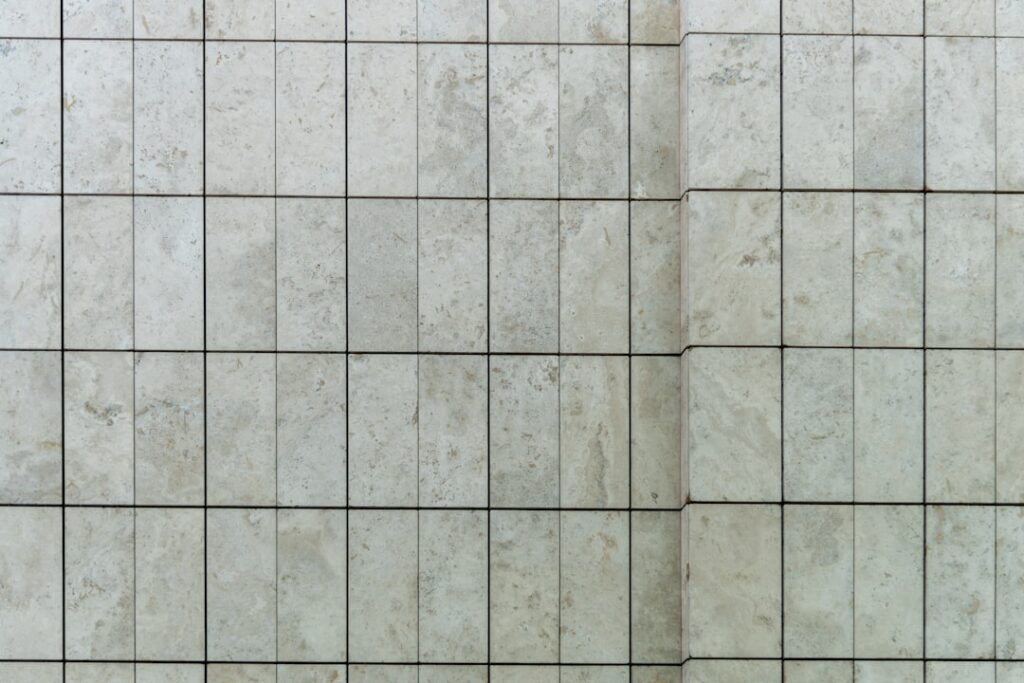
Natural stone gives a shower a calm, spa-like softness that manufactured tile struggles to match, and limestone shower tile is one of the most requested stones for exactly that reason. Its muted creams, beiges, taupes, and soft grays feel warm underfoot and timeless on the walls. But limestone is also a sedimentary stone that’s more porous and more delicate than granite or porcelain, so it rewards homeowners who understand its care and punishes those who don’t. This guide covers finishes, sealing, etching, cost, and the maintenance habits that keep limestone looking beautiful for decades.
- What Makes Limestone Different
- Choosing a Finish: Honed vs. Tumbled vs. Brushed
- Sealing Is Non-Negotiable
- Understanding Etching and Acid Damage
- What Limestone Shower Tile Costs
- Installation Considerations
- Daily Care and Long-Term Maintenance
- Limestone vs. Marble, Travertine, and Porcelain
- Common Mistakes to Avoid
- Is Limestone Right for Your Shower?
What Makes Limestone Different
Limestone forms from compressed marine sediments, primarily calcium carbonate, which gives it that gentle, uniform look with subtle fossil detail and few dramatic veins. That same calcium carbonate is its weak point: it reacts with acids. Density varies widely by quarry, with harder, tighter stones like French limestone standing up to shower use far better than soft, chalky varieties meant for dry areas.
Because it’s more absorbent than porcelain, limestone needs to be sealed and maintained as a system. When you treat it right, you get a surface with real depth and character that no printed tile can fake. When you neglect it, you get water stains, etch marks, and soft-spot erosion. Knowing that trade-off up front is the key to being happy with the stone.
Choosing a Finish: Honed vs. Tumbled vs. Brushed
Finish affects both looks and safety, and in a shower it matters more than almost anything else. Your main options:
- Honed: A smooth, matte surface with no shine. It’s the most popular shower choice because it hides etching better than a polish and looks clean and contemporary. On floors, choose a smaller tile so grout lines add grip.
- Tumbled: Edges are rounded and the surface is textured and slightly rustic, giving an old-world, Mediterranean feel. The texture improves traction underfoot, making it a strong pick for shower floors.
- Brushed or antiqued: A softly textured matte finish that splits the difference, offering grip and a lived-in look.
Avoid high-polish limestone in a wet shower. Polished stone is slick when wet and shows etch marks as dull spots that stand out against the shine. Honed and tumbled are the safe, forgiving choices.
Sealing Is Non-Negotiable
Limestone must be sealed, period. A penetrating (impregnating) sealer soaks into the stone and reduces how fast it absorbs water and staining agents, buying you time to wipe up before damage sets in. Here’s the sealing routine I recommend:
- Seal before grouting so grout haze doesn’t stain the raw stone, then seal again after grout cures.
- Use a quality penetrating sealer rated for natural stone and wet areas.
- Reseal shower walls every 1 to 2 years and shower floors even more often, since they take the most water.
- Test absorption by dripping water on the stone: if it darkens or soaks in quickly, it’s time to reseal.
Understand that sealer is not a force field. It slows absorption; it does not make limestone waterproof or acid-proof. You still need good habits and prompt cleanup.
Understanding Etching and Acid Damage
Etching is the single most misunderstood risk with limestone. It’s not a stain, it’s a chemical burn where acid dissolves a bit of the calcium carbonate, leaving a dull, rough mark. Common culprits in a bathroom include:
- Acidic cleaners like vinegar, lemon, and many bathroom sprays.
- Certain shampoos, soaps, and shower products with low pH.
- Hard-water mineral removers containing acid.
Protect the stone by using only pH-neutral, stone-safe cleaners. Never reach for vinegar, bleach, or generic tile cleaner on limestone. Keep a squeegee in the shower and wipe the walls after use to reduce mineral buildup, which otherwise tempts people into using aggressive acidic removers.
What Limestone Shower Tile Costs
Limestone sits in the mid-range for natural stone. Material prices typically run $5 to $15 per square foot for common tiles, climbing to $20 or more for premium French and hand-finished stone. Because natural stone demands careful setting and extra sealing steps, installation labor also runs higher than for standard ceramic, often $12 to $20 per square foot in a shower.
For a typical shower using roughly 100 to 120 square feet of wall and floor tile, budget $1,500 to $4,000 or more all-in, depending on the stone grade and complexity. Always order 10 to 15 percent extra, because natural stone varies from tile to tile and you’ll want matching pieces for cuts and any future repairs.
Installation Considerations
Limestone installs differently than porcelain, and the details matter. Use a white thin-set so the light stone color isn’t muddied from behind. Because natural stone can be translucent, dark adhesive or a spotty trowel job can telegraph through the surface, so full, even coverage is essential. Blend tiles from several boxes as you set them to distribute color variation naturally across the wall.
Seal before grouting, choose a grout color that complements the stone, and use a non-acidic grout release if needed. A proper waterproofing membrane behind the stone is critical, since limestone’s porosity means you cannot rely on the tile itself to keep water out of the wall. This is a job where hiring an installer experienced with natural stone pays for itself.
Daily Care and Long-Term Maintenance
Keeping limestone beautiful is mostly about small, consistent habits:
- Squeegee walls and wipe the floor after showering to limit water spots and soap film.
- Clean weekly with a pH-neutral stone cleaner and a soft cloth or sponge.
- Reseal on schedule and whenever the water-drop test shows fast absorption.
- Address etch marks early; light etching can sometimes be buffed with a marble and limestone polishing powder.
- Keep acidic products off the stone entirely.
Done consistently, this routine takes only a few minutes a week and keeps the stone looking rich for years.
Limestone vs. Marble, Travertine, and Porcelain
Homeowners often cross-shop limestone against a few similar materials, and understanding the differences helps you choose confidently:
- Limestone vs. marble: Both are calcium-based and both etch, but marble usually has bolder veining and takes a high polish, while limestone reads softer, more uniform, and more matte. Limestone tends to cost a bit less.
- Limestone vs. travertine: Travertine is a form of limestone with characteristic pits and holes that are often filled. Travertine has a rustic, textured look; limestone is smoother and more refined.
- Limestone vs. porcelain: Porcelain that mimics limestone is nearly maintenance-free, needs no sealing, doesn’t etch, and costs less to own over time. What it can’t fully replicate is the depth, warmth, and slight translucency of real stone.
If low maintenance is your top priority, a good limestone-look porcelain is the pragmatic pick. If authenticity and natural character matter most, the real stone earns its keep.
Common Mistakes to Avoid
Most limestone disappointments trace back to a handful of preventable errors. Watch for these:
- Never sealing, or sealing once and forgetting it. Sealer wears out; reapply on schedule.
- Using acidic or generic cleaners. One bottle of the wrong spray can etch a whole wall.
- Choosing a polished finish for a shower floor. It’s slippery and shows etching worst.
- Picking a soft, chalky limestone rated for dry areas. Confirm the stone is dense enough for wet use.
- Skipping proper waterproofing behind the tile. Porous stone makes a membrane essential, not optional.
Avoid those five and you sidestep nearly every horror story people tell about natural stone in the bath.
Is Limestone Right for Your Shower?
Limestone shower tile is a wonderful choice for homeowners who love natural materials and don’t mind a little upkeep in exchange for genuine stone character. If you want a surface you can scrub with any cleaner and forget about, porcelain that mimics limestone will serve you better. But if you’re drawn to the soft, warm, organic look of real stone and you’ll commit to gentle cleaners and regular sealing, few materials reward you with the quiet elegance that limestone brings to a bath.
Prefer to explore on your own?
See how new flooring looks in your actual room in seconds — free, no signup.
Try the free Floor Studio →